


Pet Advertising Best Practices for Dog Breeders in 2026
Advertising a litter of puppies or an available adult dog sounds simple until you realize how much noise you’re competing against. Pet advertising best practices aren’t just about posting a cute photo and hoping the right buyer finds you. Buyers today are cautious, informed, and quick to skip past anything that feels vague or untrustworthy. If you’re a breeder or pet seller trying to attract serious inquiries, not just clicks, you need a strategy that combines the right message, the right channel, and real credibility signals. Here’s what actually works in 2026.
Table of Contents
- Key takeaways
- 1. Start with pet advertising best practices by defining your audience
- 2. Build trust with documentation and compliant testimonials
- 3. Use local SEO and mobile-friendly pages to attract nearby buyers
- 4. Balance education and promotion in your ad content
- 5. Choose the right advertising channels for your goals
- 6. Pre-qualify buyers through SEO content before they contact you
- 7. Use live video to convert undecided buyers
- 8. Stay compliant with advertising claims
- My honest take on what most breeders get wrong
- How Greenfieldpups helps you advertise smarter
- FAQ
Key takeaways
| Point | Details |
|---|---|
| Define your audience first | Narrow targeting by breed, lifestyle, and location produces more qualified inquiries than broad campaigns. |
| Trust signals drive conversions | Health records, pedigree docs, and verified testimonials move buyers off the fence faster than any discount. |
| Mobile matters more than ever | Fast, mobile-friendly landing pages with clear calls to action reduce drop-off and improve ad ROI. |
| Education outperforms urgency | Ads that inform buyers about breed traits and care outperform pressure-based or discount-only messaging. |
| Channel choice depends on intent | Search ads capture buyers ready to act; social media builds awareness and relationship before the sale. |
1. Start with pet advertising best practices by defining your audience
Before you write a single word of ad copy or upload a single photo, you need to know exactly who you’re talking to. Unclear targeting and mixed offers consistently lead to underperforming campaigns. That’s not a theory. It’s the most common and most expensive mistake breeders make.
Think about the specific buyer your breed attracts. A Bernese Mountain Dog buyer usually lives in a home with space, values temperament, and plans to train the dog as a family companion. A French Bulldog buyer might be in a city apartment, looking for a low-exercise, high-personality dog. These are completely different people, and they respond to completely different messages.
When building your ads, keep these points in mind:
- Pick one offer per campaign. Don’t advertise “puppies available plus stud services plus boarding” in the same ad.
- Match your ad copy to your landing page. If your ad says “AKC-registered Golden Retriever puppies,” your landing page should lead with exactly that.
- Use location, breed, and lifestyle language in your targeting and copy to attract buyers who are already a natural match.
- Avoid vague phrases like “quality puppies” or “great family dogs.” Specificity is what makes buyers stop scrolling.
Pro Tip: Run separate campaigns for each breed or litter you have available. Even if you share a page, dedicated campaigns let you track what’s working and keep messaging focused.
2. Build trust with documentation and compliant testimonials
Buyers are cautious. They’ve read horror stories about puppy mills and online scams. Your job is to remove every reason they have to doubt you before they even contact you.

The most persuasive thing you can do is publish detailed, honest documentation. Health records and pedigree docs consistently outperform broad claims when it comes to converting hesitant buyers into committed ones. Posting vaccination records, health certifications, and registration details isn’t just reassuring. It’s the clearest signal that you run a legitimate operation.
Testimonials work, but only when they’re handled correctly. As of 2026, FTC rules require truthful disclosures for testimonials and endorsements, particularly when there’s any material connection like a discounted puppy in exchange for a review. Treat your testimonials as regulated marketing assets, not casual social proof.
“Advertising claims risk compliance not just with extremes, but also with ordinary wording that implies unsupported messages.” This applies directly to breeders who casually describe their dogs as “the healthiest in the state” or “guaranteed hypoallergenic.”
- Feature real buyer testimonials with full first names and, when possible, photos or video.
- Always disclose if a reviewer received anything in exchange for their feedback.
- Avoid absolute health claims you can’t substantiate, like “no genetic issues” or “100% disease-free.”
- Use user-generated content when buyers tag you on social media. With their permission, these posts carry strong credibility.
Pro Tip: Create a simple one-page PDF that shows your puppy’s vaccination timeline, health testing results, and registration info. Attach it to every inquiry response. Buyers who receive it convert at a noticeably higher rate.
3. Use local SEO and mobile-friendly pages to attract nearby buyers
Most buyers want to visit the puppy before committing. That means your advertising needs to prioritize people within a realistic driving distance, not the entire country.
Local targeting with trust signals and mobile-friendly websites is one of the highest-ROI combinations in pet marketing right now. Start by claiming and fully completing your Google Business Profile. Add your breed specialties, location, photos, and response hours. Use location-based keywords in your listings and website copy, phrases like “Golden Retriever breeders in Lancaster County” or “AKC Labrador puppies near Nashville.”
Here’s what your digital setup should include:
- A mobile-optimized landing page that loads in under three seconds
- A single, clear call to action above the fold, whether that’s “Schedule a Visit” or “Reserve Your Puppy”
- Your service area, breed details, pricing range, and contact information visible without scrolling
- High-quality photos that show the puppy’s environment, parents, and personality
Buyers who land on a slow, confusing, or desktop-only page leave almost immediately. Clear navigation and mobile responsiveness are not optional extras. They’re the difference between an inquiry and a bounce.
4. Balance education and promotion in your ad content
Here’s where most breeders get it wrong. They either go full promotional, “Puppies available now, limited spots!”, or they post endless cute photos with no clear offer. Neither approach performs as well as combining education with a clear, benefit-focused message.
Pet buyers prioritize safety and outcomes over price. When your ad explains why your breed suits a specific lifestyle, what your health testing protocol looks like, or what support you offer after the sale, you’re not just advertising. You’re qualifying the buyer and building confidence at the same time.
Effective educational pet promotion ideas include:
- Short posts or ad copy that explains breed-specific traits and common owner questions
- Email follow-up sequences that walk waitlist buyers through what to expect before pickup
- Blog content or FAQs on your website that answers “Is this breed right for me?” before buyers even ask
Avoid urgency tactics like countdown timers or “only 2 left” pressure unless those facts are completely accurate. Buyers who feel pressured either disengage or become disappointed buyers. Neither outcome helps your reputation.
5. Choose the right advertising channels for your goals
Not every channel works the same way for breeders and sellers. The best channels for pet ads depend entirely on where your buyers are in their decision process.
| Channel | Best for | Key strength | Watch out for |
|---|---|---|---|
| Google Search Ads | High-intent, ready-to-buy buyers | Keyword targeting, direct conversions | Costs per click; requires strong landing pages |
| Facebook/Instagram | Awareness, visual storytelling | Reach, retargeting, litter announcements | Ad fatigue if you post too frequently |
| Pet marketplaces | Buyers actively browsing for a breed | Built-in audience, trust signals | Competition with similar listings |
| Influencer partnerships | Brand awareness, community building | Authentic reach with pet-owner audiences | Must include FTC disclosures for paid posts |
Search ads targeting intent-driven keywords like “AKC Goldendoodle puppies for sale” pair exceptionally well with strong landing pages and produce predictable inquiry volume. Social media excels when you post consistently and authentically, but overposting or inconsistent messaging leads to audience fatigue fast.
For marketplace listings, professional photos and complete details are non-negotiable. Learn how breeders get noticed on top marketplaces to understand what separates a listing that gets calls from one that gets scrolled past.
6. Pre-qualify buyers through SEO content before they contact you
One of the most underused strategies in pet business marketing is creating content that filters out the wrong buyers before they ever send you a message. SEO content that educates buyers on your breeding practices and early puppy development does exactly that.
When someone reads a detailed post on your website about how you socialize your puppies, what health clearances you require from parent dogs, and what your adoption process looks like, they arrive at your inbox already informed. They’re not asking basic questions. They’re ready to move forward or self-select out.
This strategy reduces wasted time on low-quality inquiries. It also positions you as a knowledgeable, ethical breeder rather than just someone with puppies for sale. That positioning is itself a trust signal.
7. Use live video to convert undecided buyers
Puppy cams structured with live Q&A sessions and documentation reviews are one of the most effective conversion tools available to breeders right now, and most aren’t using them.
A structured live stream that shows the puppies in their environment, introduces the parents, walks through health documents on camera, and answers buyer questions in real time builds a level of transparency that no static ad can match. It also removes urgency pressure because buyers feel informed, not rushed.
You don’t need professional equipment. A smartphone, decent lighting, and a consistent weekly schedule are enough to build trust with your waitlist and convert viewers into committed buyers.
8. Stay compliant with advertising claims
Compliance isn’t just a concern for large pet food brands. As of 2026, the NAD requires substantiation for health, ingredient, and origin claims in pet advertising. A real-world example: Freshpet was required to discontinue “human grade” and “Made in USA” claims without sufficient supporting evidence.
For breeders, this means avoiding phrases like “the healthiest bloodline available” or “genetically superior” unless you have documentation to back them up. Vague superlatives in ad copy are not just ineffective. They carry regulatory risk.
Keep your claims grounded in facts you can prove. Show the OFA hip certification. Post the DNA health panel results. That’s more persuasive than any marketing phrase you could write.
My honest take on what most breeders get wrong
I’ve looked at hundreds of breeder ads across marketplaces and social platforms, and the pattern is consistent. Most breeders invest heavily in the photo and almost nothing in the trust layer behind it.
The buyer sees a beautiful puppy. Then they start asking themselves the questions every cautious buyer asks. Is this real? Is this breeder legitimate? What happens if the puppy has health issues? If your ad doesn’t answer those questions before they’re asked, you’ve already lost a portion of your audience.
What I’ve found is that conversion bottlenecks are almost never about reach. They’re about buyer trust, not clicks. More traffic to an untrustworthy listing just means more wasted ad spend.
The other thing breeders consistently underestimate is the compliance risk in casual language. Ordinary phrases like “our puppies come from champion bloodlines known for zero health issues” can cross a line without you realizing it. Testimonials treated as regulated assets and claims backed by documentation aren’t just smart marketing. They’re the only kind that holds up over time.
My strongest advice: spend 20% of your advertising effort on the ad itself, and 80% on the system behind it. Health docs, buyer education, response speed, and real transparency. That’s what converts in 2026.
— Taylor
How Greenfieldpups helps you advertise smarter
If you’re ready to put these strategies into practice, Greenfieldpups is built specifically to help breeders and sellers do exactly that. From creating listings that stand out to understanding the ethical foundations that make buyers trust you, the platform has resources designed for real results.
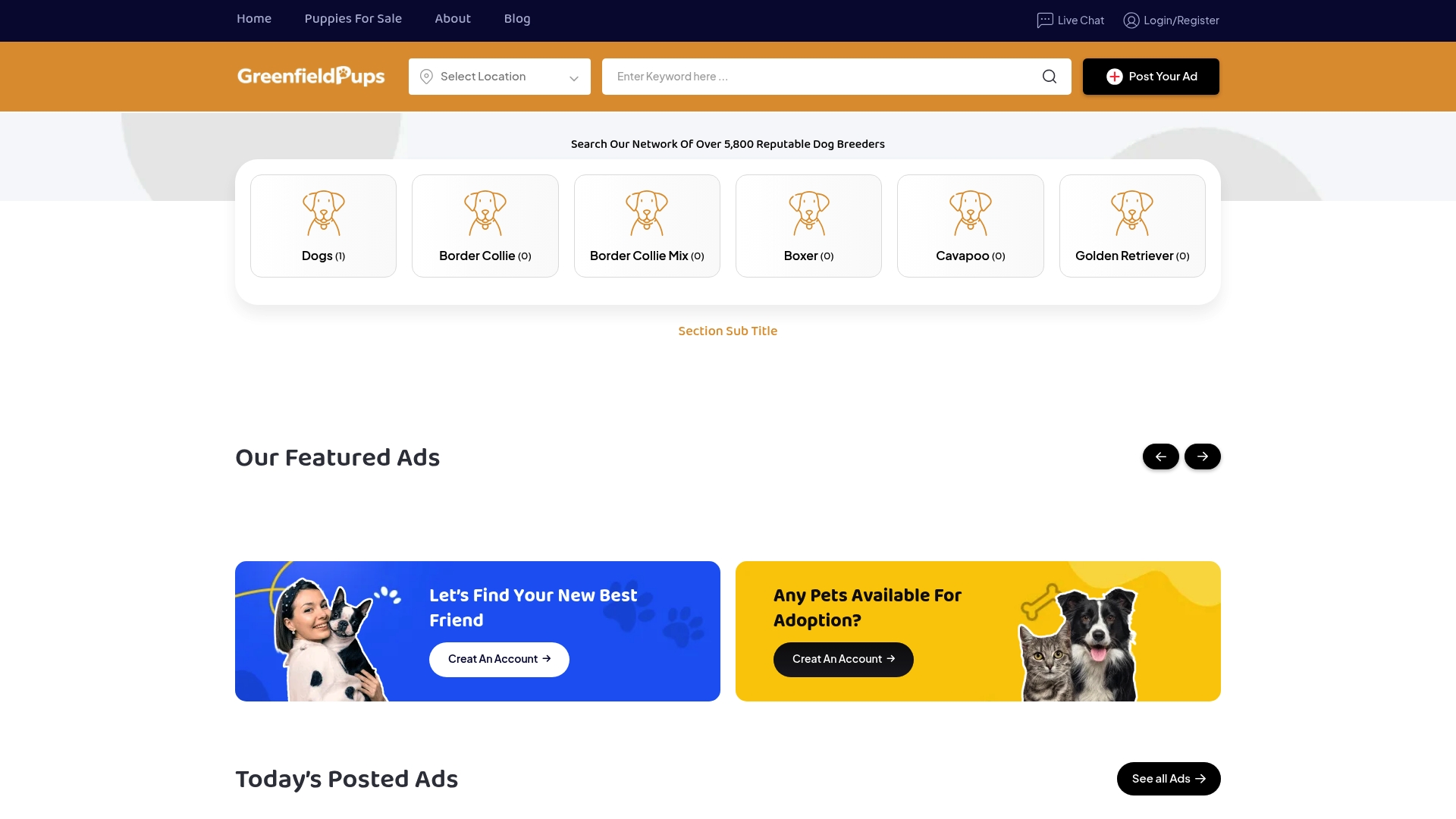
Start by exploring the guide on dog breeder ethics and responsibilities to position yourself as a credible, accountable breeder. Then review the proven advertising tips that translate directly into more inquiries and stronger buyer relationships. When you’re ready to list, Greenfieldpups gives you the tools to create a professional, trust-forward ad that reaches buyers who are genuinely looking for what you offer.
FAQ
What are the most effective pet advertising best practices for breeders?
The most effective practices combine clear audience targeting, documented trust signals like health records and pedigree papers, mobile-friendly listings, and channel choices matched to buyer intent. Ads that educate buyers consistently outperform those that rely on urgency or price alone.
Which advertising channels work best for selling puppies?
Search ads capture buyers with high intent, while social media builds awareness and relationship before the sale. Pet marketplace listings reach buyers already browsing for specific breeds and tend to generate highly qualified inquiries when photos and details are complete.
Do I need FTC disclosures for buyer testimonials in my pet ads?
Yes. FTC rules require clear disclosure of any material connection between you and a reviewer, including discounted or free puppies given in exchange for a testimonial. Failing to disclose this creates legal and reputational risk.
How does local SEO help dog breeders attract more buyers?
Optimizing your Google Business Profile and using location-based breed keywords in your listings increases your visibility among buyers searching in your geographic area. Most buyers want to visit before committing, so local targeting produces higher-quality, more serious inquiries.
Can educational content really improve my puppy sales?
SEO content that addresses buyer questions about breed traits, health testing, and your breeding process pre-qualifies leads before they contact you. Buyers who arrive already educated ask better questions, waste less of your time, and convert at a higher rate.
Leave a Comment