

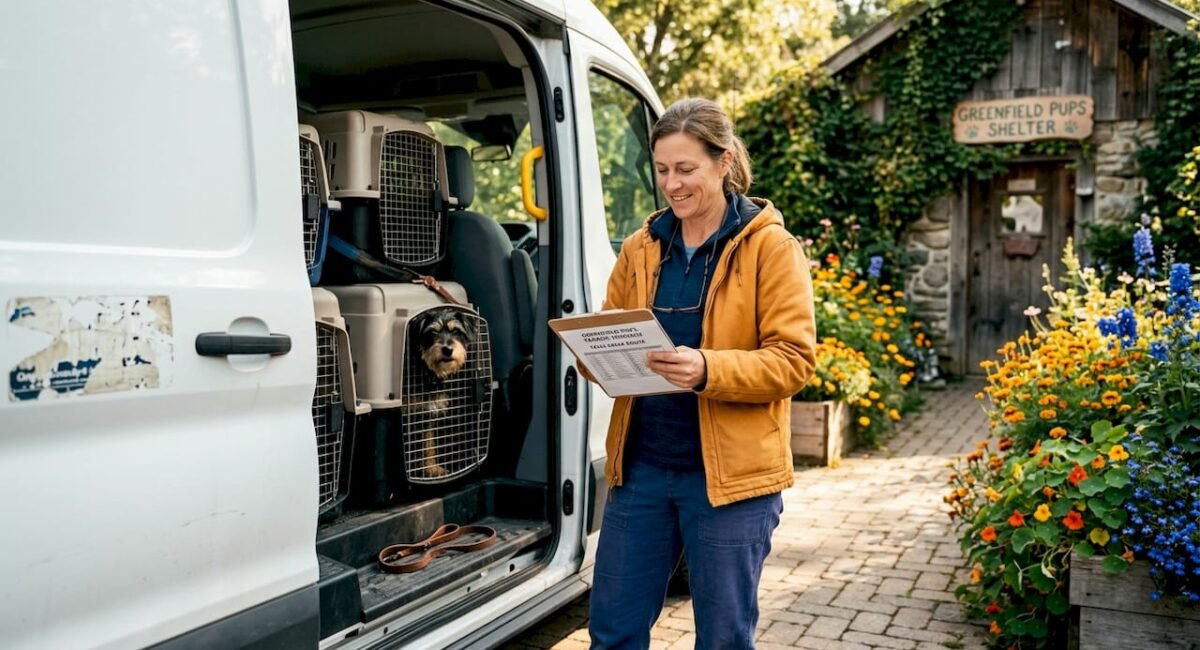
The Role of Transport in Pet Adoption Explained
Most people picture pet adoption as a simple local trip to the nearest shelter. The reality is far more complex, and far more hopeful. The role of transport in pet adoption is one of the most underappreciated forces behind the millions of successful matches made every year across the United States. Pets sitting in overcrowded shelters in the South often have a dramatically better chance of finding a home because a transport network moves them to regions where families are actively searching. If you are considering adopting, understanding how transport works will change the way you approach the process entirely.
Table of Contents
- Key takeaways
- The role of transport in pet adoption networks
- How transport improves adoption rates and helps overcrowded shelters
- Challenges and real limitations of pet transport
- How adopters can engage with transport-enabled adoption
- My honest take on transport and what it actually changes
- Find your next pet with Greenfieldpups
- FAQ
Key takeaways
| Point | Details |
|---|---|
| Transport expands your options | Pets available through transport programs come from shelters across the country, not just your local area. |
| Lives saved at scale | Organizations have moved tens of thousands of pets annually, directly reducing euthanasia rates. |
| Health checks come first | Transported pets receive veterinary care and foster stays before they ever travel. |
| Transparency matters | Ask any rescue for full details on where a pet came from and what care it received in transit. |
| Transport is not a cure-all | It works best alongside local shelter improvements, not as a replacement for them. |
The role of transport in pet adoption networks
Transport rescue programs exist to solve a geography problem. Shelters in parts of the South and rural Midwest routinely face intake numbers far beyond their capacity. Meanwhile, shelters in the Northeast and Pacific Northwest often have lower intake but strong adoption demand and families actively looking for pets. Transport connects those two realities.
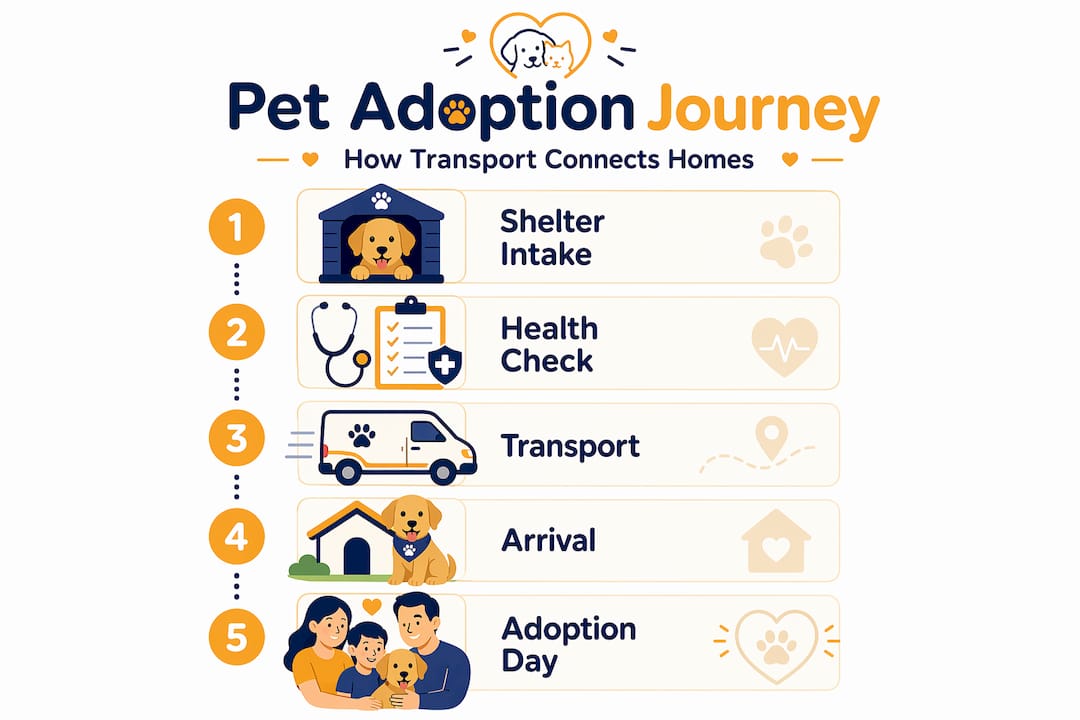
Here is how a typical transport program works from start to finish:
- Intake assessment. A shelter identifies animals with strong adoption potential but limited space. Staff flag those pets for transfer to partner organizations.
- Veterinary clearance. Before transport, animals receive full health screenings, vaccinations, and any necessary treatments. Some stay in foster homes to stabilize before the journey.
- Matching with receiving shelters. Coordinators connect sending shelters with receiving partners in higher-demand regions. The receiving shelter confirms it has space and adopters ready.
- The transport itself. Animals travel in temperature-controlled vans, buses, or planes. Volunteer drivers handle many ground routes. Professional transport services handle longer hauls.
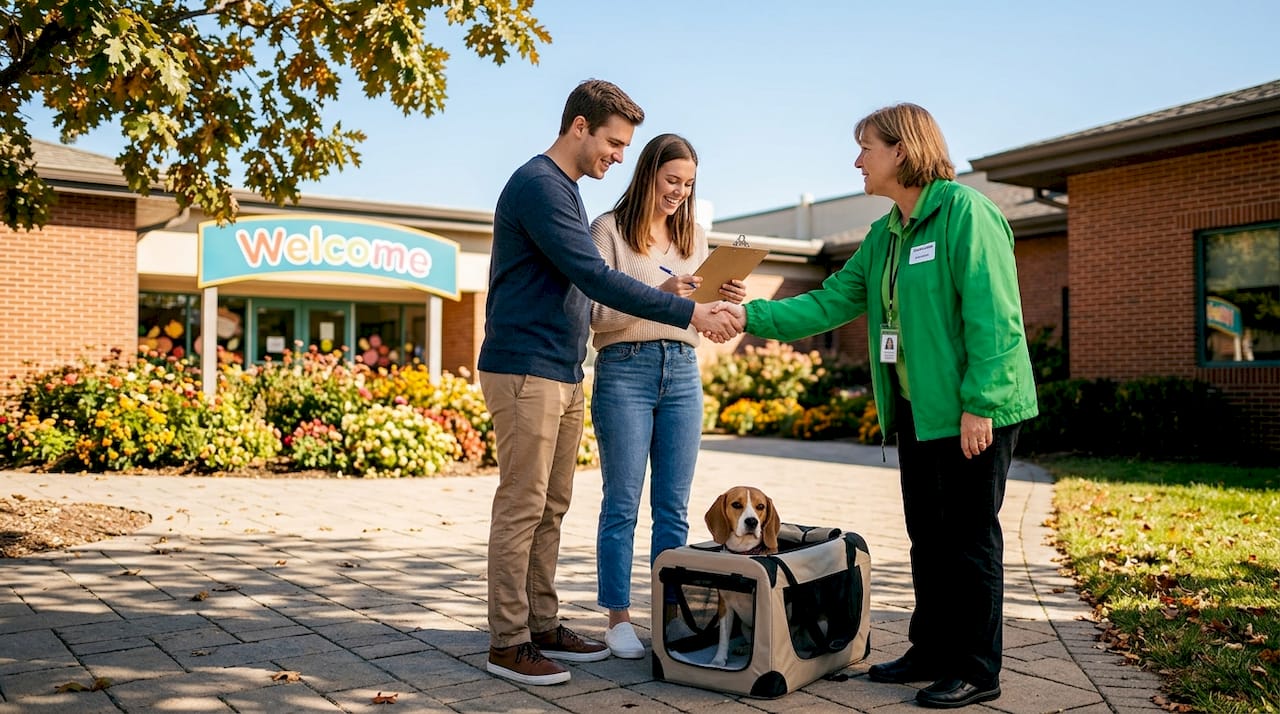
- Arrival and rehoming. Pets are assessed again at the receiving shelter, listed for adoption, and often placed within days because local demand is higher.
Route-based scheduling is one of the more thoughtful logistics solutions in this space. Fixed travel sequences with planned rest stops reduce delays, minimize unpredictability, and keep animals calmer during the journey. Handlers monitor hydration, crate security, and behavior at each stop.
Pro Tip: When researching a rescue, ask specifically whether they use route-based transport with professional handlers or rely solely on volunteer drivers. Both can be excellent, but knowing the setup helps you understand what your future pet experienced on its journey.
The scale of these programs is genuinely striking. Rescued Pets Movement has transported nearly 100,000 animals since 2013. St. Hubert’s WayStation has moved over 29,000 pets since 2016. These are not small operations. They represent a coordinated, logistics-driven system that functions more like supply chain management than a casual volunteer effort.
How transport improves adoption rates and helps overcrowded shelters
The impact of transport on adoption numbers goes well beyond moving individual animals. The benefits ripple outward in ways that affect every shelter involved.
Here is what transport accomplishes at the system level:
- Frees critical kennel space. When a shelter sends twenty dogs north on a transport van, those twenty kennels open up for incoming animals. That prevents euthanasia for the animals now able to enter the system.
- Balances regional adoption demand. Transport networks relocate pets from high-intake regions to areas where adoption rates are consistently higher, matching supply with demand across state lines.
- Increases each pet’s visibility. A dog listed at a rural shelter in Mississippi may sit for weeks with few viewers. That same dog, transported to a shelter in Connecticut, often gets adopted within days because more local adopters are actively browsing.
- Enables resource sharing between shelters. Animal welfare experts note that relocation programs build cooperation across organizations, sharing behavioral expertise, medical knowledge, and funding strategies in ways that benefit the broader shelter network.
- Reduces euthanasia rates in sending regions. This is the most direct measure of success. Programs that move pets out of overcrowded shelters have documented, measurable reductions in the number of animals euthanized for space.
The importance of transport in pet rescue goes beyond the individual animal. When a well-run transport program operates between two shelter systems, both sides benefit. The sending shelter keeps its intake manageable. The receiving shelter fills adoption slots, keeps its supporters engaged, and maintains funding. It is a genuinely cooperative system when done well.
Learning more about how shelters operate within these networks can help you make a more informed adoption decision from the start.
Challenges and real limitations of pet transport
Honest conversation about transport has to include its limitations. Transport is not magic, and some corners of the rescue world have oversold it.
Here are the most significant challenges adopters and advocates should understand:
- Transport does not fix root causes. Experts warn that viewing transport as a cure-all ignores the real drivers of shelter overcrowding: insufficient spay and neuter access, lack of owner support services, and inadequate community resources. Moving animals treats the symptom.
- Long-distance travel stresses animals. Not every pet handles a twelve-hour van ride well. Programs mitigate this through scheduled rest breaks and structured monitoring, but adopters should ask how a specific animal responded to transport before committing.
- Post-transport tracking is inconsistent. Some organizations do not have strong systems for following up on whether transported pets stay in their adoptive homes. That gap makes it hard to measure true long-term success.
- Transparency is uneven across organizations. Some rescues provide full documentation on receiving partners, transport routes, and animal outcomes. Others keep that data vague.
“Adopters deserve full transparency from organizations about where transported pets come from, their journey, health and behavioral assessments, and post-adoption support.” — Animal Politics, The Fog of Rescue
That quote captures what reputable organizations should be offering as a baseline. If a rescue gets defensive when you ask where a pet traveled from or what care it received, that is a meaningful warning sign.
Pro Tip: Request a written record of a transported pet’s health history, transport date and route, and behavioral notes from its temporary foster or handler. Reputable rescues provide this without hesitation.
Avoiding common missteps in the adoption process is something Greenfieldpups covers in detail. Check out pet adoption mistakes to avoid before you commit to an organization.
How adopters can engage with transport-enabled adoption
You do not need to be a logistics expert to adopt a transported pet confidently. You just need to ask the right questions and know what to expect.
- Ask where the pet originated. Knowing whether a dog came from a Texas shelter versus a local foster home helps you understand its background and potential adjustment needs.
- Confirm the health clearance timeline. Ask when the pet last received a vet check, what vaccines are current, and whether any conditions were identified during the transport process. A veterinary guide can help you understand what post-adoption checkups to schedule.
- Clarify the transport timeline before adoption day. Transported pets sometimes arrive on a set schedule. Know the arrival date, where pickup or transfer happens, and whether you will meet the animal before finalizing the adoption.
- Prepare your home for a potentially stressed animal. A dog that just completed a long journey may be quieter or more reactive than its foster notes suggest. Give it three to four days of quiet decompression before expecting its full personality to emerge.
- Consider volunteering or fostering. Transport programs run on people willing to drive legs of a route, provide overnight foster care, or fund transport costs. If you are not ready to adopt, contributing in one of these ways directly supports the system.
Pro Tip: Ask whether the rescue offers any post-adoption support specifically for transported animals. Some organizations provide behavioral hotlines or follow-up check-ins during the first thirty days. That support can make a significant difference in a smooth transition.
Understanding the full adoption workflow from inquiry to bringing a pet home will make every step of this process feel far less overwhelming.
My honest take on transport and what it actually changes
I have spent years watching how transport reshapes adoption outcomes, and my honest view is that it is one of the most genuinely lifesaving tools in animal welfare. Not because it is glamorous, but because it solves a real geographic mismatch that no amount of local marketing can fix.
What I have also learned is that transport gets oversimplified in both directions. Advocates sometimes present it as the answer to shelter overcrowding nationwide. Critics dismiss it as moving problems around instead of solving them. Both positions miss the nuance.
What I have seen work: transport programs that operate with full transparency, consistent veterinary standards, and strong partnerships between sending and receiving organizations. The animals in those programs arrive in good health, get adopted quickly, and stay in their homes. The adoption success stories I have found most moving almost always involve a dog or cat that crossed several state lines before finding the right family. That geography mattered.
What I have seen fail: programs that move animals without adequate health checks, partner with receiving shelters that are already at capacity, or make no effort to track what happens after placement. Transport as a checkbox does nothing good for anyone.
My take: if you are adopting, do not let distance stop you from considering a transported pet. But ask hard questions, expect real answers, and choose organizations that treat accountability as a feature, not a burden. Transport is a vital part of modern pet adoption. It deserves to be done well.
— Taylor
Find your next pet with Greenfieldpups
Greenfieldpups makes it easier to connect with reputable breeders and adoptable pets across the United States, all in one place. Whether you want to browse adoptable dogs using a step-by-step process or want to understand the difference between ethical and unethical breeders before you commit, the platform has the resources to guide you.
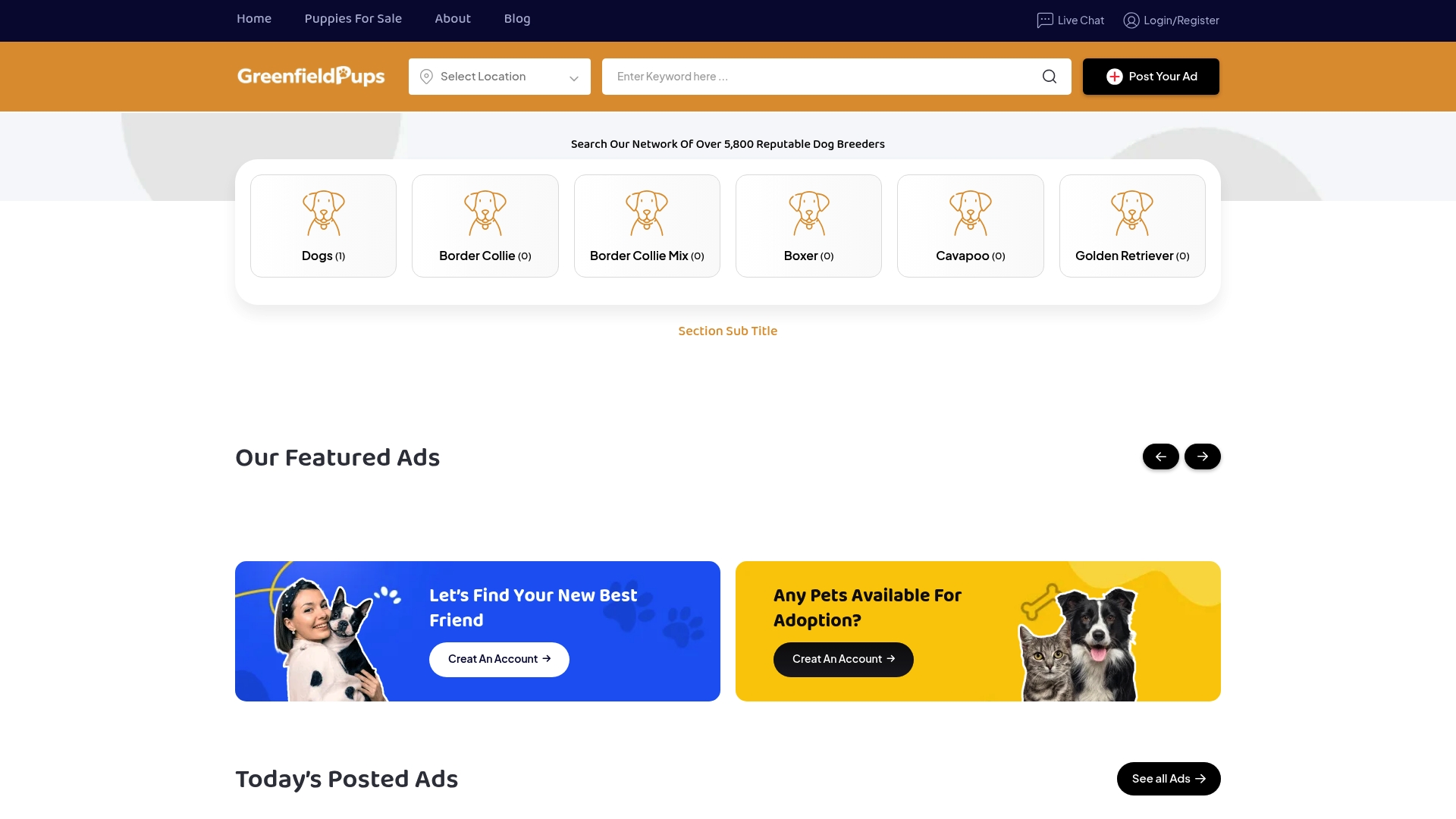
From understanding breeder ethics and responsibilities to exploring listings filtered by breed, size, and location, Greenfieldpups gives you the information you need to make a confident, responsible adoption decision. Transport-enabled adoptions are increasingly common, and the platform’s resources help you navigate the process with clarity. Start your search today at Greenfieldpups and find the right match for your family.
FAQ
What is the role of transport in pet adoption?
Transport connects adoptable pets in overcrowded shelters to regions with higher adoption demand, directly increasing the number of animals placed in homes each year and reducing euthanasia in high-intake areas.
How does transport affect pet adoption timelines?
Transport adds a scheduling layer to the adoption process. Pets travel on set routes with planned arrival dates, so adopters should confirm transport schedules with their rescue before expecting a pet to be available.
Are transported pets healthy and safe to adopt?
Yes, in well-run programs. Reputable organizations complete full vet checks and may place animals in foster care before transport to confirm health and readiness for travel.
What should I ask a rescue about a transported pet?
Ask for the pet’s origin shelter, transport date and route, current vaccination status, behavioral notes from foster care, and whether the organization provides post-adoption support during the adjustment period.
Can transport alone solve shelter overcrowding?
No. Experts are clear that transport works best alongside strategies that address root causes like spay and neuter access, owner retention programs, and community support resources.
Leave a Comment