

Master the pet adoption workflow: A step-by-step dog guide
Millions of dogs need loving homes, but a successful adoption takes more than good intentions. Every year, 2.8 million dogs enter US shelters, and while roughly 2 million find new families, hundreds of thousands still face uncertain futures. The difference between a thriving placement and a heartbreaking return often comes down to one thing: having a clear, informed process before you ever walk through a shelter door. This guide walks you through every stage of the pet adoption workflow so you can give a dog exactly the fresh start they deserve.
Table of Contents
- What you need before starting the pet adoption workflow
- Step-by-step pet adoption workflow for dog lovers
- Common pitfalls in the pet adoption workflow
- What to expect after adopting your dog
- Our perspective: Why workflow beats wishful thinking in pet adoption
- Ready for your next step? Find trusted resources
- Frequently asked questions
Key Takeaways
| Point | Details |
|---|---|
| Prepare thoroughly | Proper preparation reduces stress and improves the chances of a lasting adoption. |
| Follow the full workflow | Completing each step is the best way to ensure success for you and your new dog. |
| Avoid shortcuts | Cutting corners increases the risk of failed placements and heartache. |
| Know what to expect | Understanding adjustment periods and responsibilities helps keep dogs in loving homes. |
| Rely on trusted resources | Expert guides and support make adoption a smoother experience for everyone. |
What you need before starting the pet adoption workflow
Preparation is everything. Many people underestimate just how much groundwork goes into a successful adoption, and that gap between expectation and reality is where trouble often starts. Think of it like preparing a home before you move in rather than after. The process works best when you treat it seriously from day one.
Understanding the true commitment
Adopting a dog is a 10 to 15 year commitment that affects your finances, your schedule, your living space, and your relationships. A medium-sized dog can cost between $1,000 and $3,000 per year once you factor in food, vet visits, grooming, and supplies. That number climbs fast if your new dog needs behavioral training or has a health condition. Being honest with yourself about what you can realistically handle is not pessimistic — it is responsible.
Your pre-adoption checklist
Before you ever contact a shelter or breeder, run through this checklist:
- Housing review: Confirm that your lease or HOA allows dogs, and check for breed or size restrictions
- Financial prep: Set aside at least $500 for initial costs like spay/neuter, vaccinations, food, a crate, and a leash
- Lifestyle assessment: Evaluate your activity level, daily schedule, and how much time you can dedicate to a dog
- Family buy-in: Get everyone in the household on board, including any existing pets
- Research breeds: Understand energy levels, grooming needs, and temperament for breeds that interest you
- Identify local vets: Find a licensed veterinarian before bringing a dog home, not after
The pet adoption basics guide from Greenfield Pups is a great resource for anyone who wants to understand what the process looks like from a big picture view. You can also get a head start by reviewing veterinarian adoption guidance to understand health-related decisions early.
Financial and emotional readiness
Financial readiness matters, but emotional readiness is just as critical. Rescue dogs especially can come with baggage: anxiety, fear responses, or behavioral quirks that take time and patience to work through. Understanding that frustrating moments are normal, not failures, sets you up for long-term success.
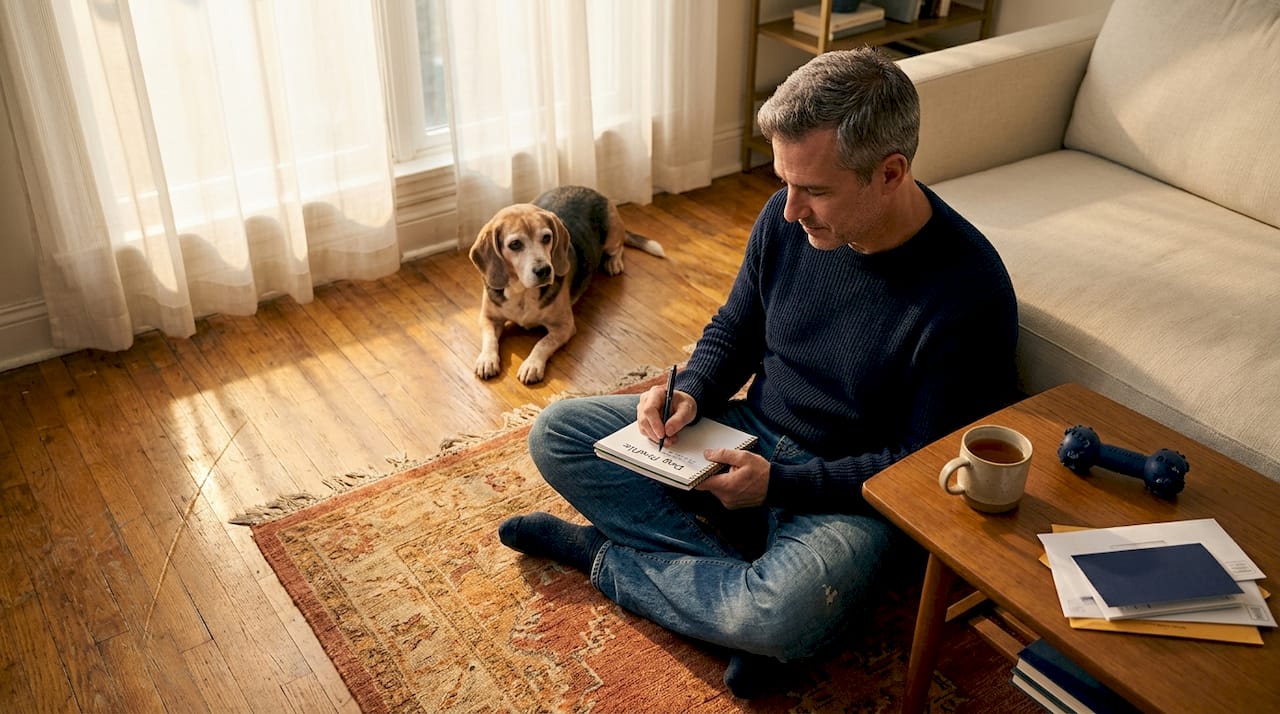
Pro Tip: Create a written “dog profile” before you start searching. Include your ideal size, energy level, and deal-breakers like allergies or time constraints. This one-page reference keeps you from making an impulsive decision when you fall in love with a dog who is completely wrong for your life.
| Preparation area | Why it matters | Action to take |
|---|---|---|
| Housing | Landlord or HOA restrictions can force a return | Review lease/rules before applying |
| Finances | Unexpected costs cause early surrenders | Budget $1,000+ for the first year |
| Lifestyle fit | Mismatch leads to behavioral frustration | Research breed energy needs |
| Vet access | Early health issues need quick attention | Identify a local vet in advance |
| Family readiness | Resistance at home strains the relationship | Involve everyone in the decision |
Step-by-step pet adoption workflow for dog lovers
With preparation complete, it is time to walk through each key stage of the process. A clear sequence prevents you from skipping critical steps and increases the odds that your new dog stays home for good.
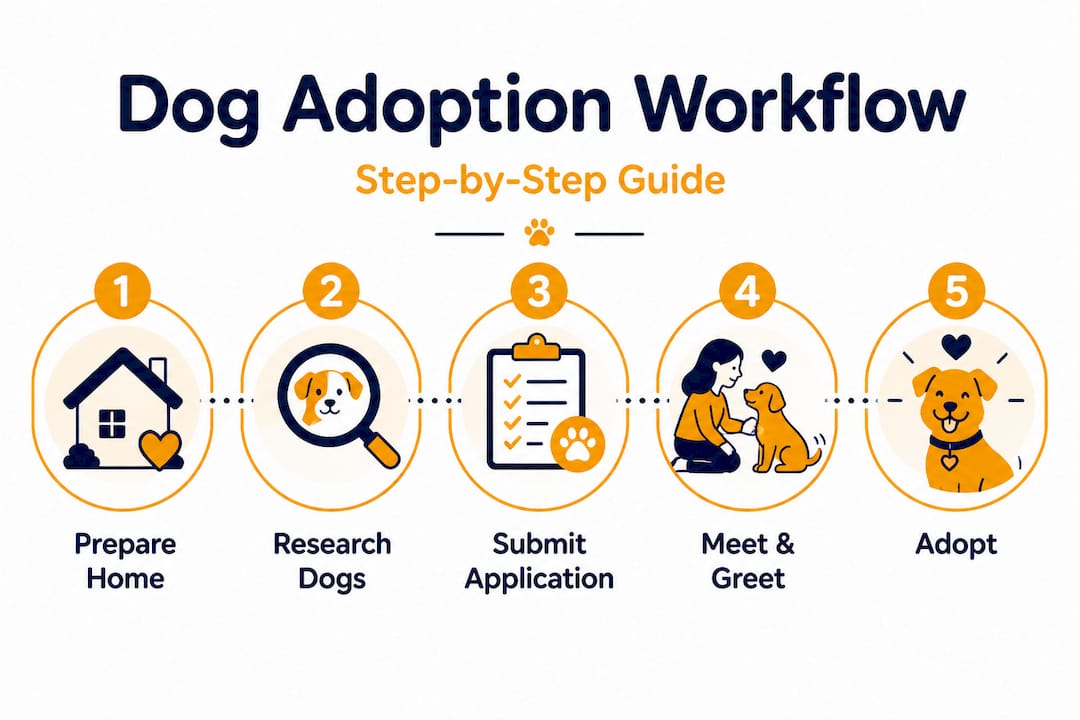
The adoption sequence
-
Research and identify: Use online platforms, shelter websites, and breed-specific rescue groups to find dogs that match your profile. Read each dog’s bio carefully and look for notes on temperament, energy, and compatibility.
-
Contact the organization: Reach out to the shelter or rescue and ask questions. Good organizations will appreciate your curiosity. Ask about the dog’s history, behavioral observations, and any known medical conditions.
-
Submit your application: Most shelters and rescues require a written application. Be thorough and honest. Applications typically ask about your home setup, experience with dogs, and your daily routine.
-
Go through adopter screening: This step is not an obstacle — it is a tool. Screening protects both you and the dog by identifying whether the match will actually work. Expect reference checks, a home visit, and a conversation about your lifestyle.
-
Schedule a meet-and-greet: Spend real time with the dog before committing. Bring everyone who will live with the dog, including other pets if possible. Watch how the dog responds to different people and situations.
-
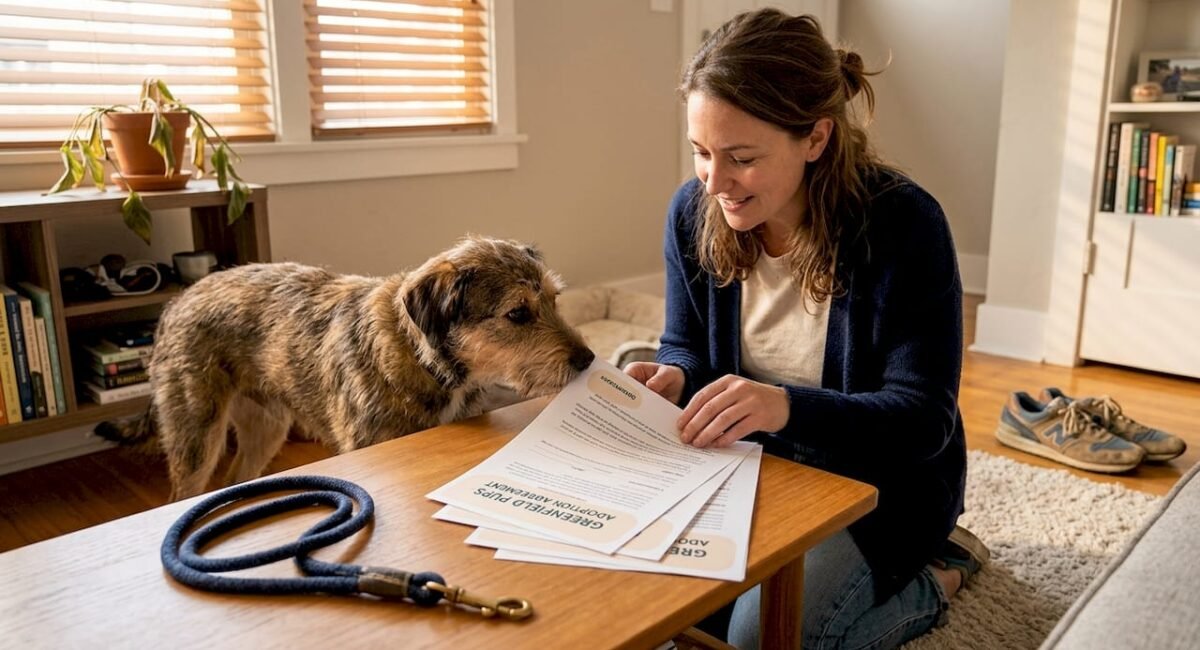
Complete the paperwork: Finalize the adoption contract, review all health records, and confirm any spay/neuter or vaccination requirements. Read every line before signing.
-
Bring your dog home: Arrive with everything ready — crate, food, ID tags, and a designated quiet space for the first few days. The transition period starts the moment the dog leaves the shelter.
Pro Tip: Do not bring the whole family to the very first meeting. Let one or two calm adults introduce themselves first. Too many new people at once can overwhelm a nervous dog and give you a false read on their true personality.
Shelter vs. breeder: What the process looks like
| Factor | Adopting from a shelter | Adopting from a breeder |
|---|---|---|
| Application process | Written app, home visit, references | Questionnaire, phone interview |
| Timeline | Days to weeks | Weeks to months (waitlists common) |
| Costs | $50 to $500 adoption fee | $500 to $5,000+ depending on breed |
| Health history | May be limited or unknown | Full lineage and health testing available |
| Dog age | Mixed, often adults or seniors | Usually puppies |
| Post-adoption support | Varies by organization | Depends on breeder ethics |
Understanding these differences helps you decide which path fits your readiness level. The dog rehoming guide is also helpful if you are exploring what happens when a placement does not work out and how responsible rehoming looks.
Returns happen more often than most people realize. Shelter dog return rates run between 7 and 20 percent within the first six months, which translates to roughly 140,000 to 400,000 dogs per year. A thoughtful workflow dramatically reduces your chances of becoming part of that statistic.
Common pitfalls in the pet adoption workflow
Even with a solid plan, common missteps can derail the journey. Knowing what traps to avoid is just as valuable as knowing what steps to follow.
The biggest mistakes adopters make
- Falling in love with a photo: Online photos capture a moment, not a personality. A beautiful picture is not a substitute for an in-person meeting and behavioral assessment.
- Skipping the screening: Some adopters try to rush past screening or feel offended by it. In reality, a shelter that skips screening is doing you no favors. Screening saves both parties from a bad match.
- Underestimating adjustment time: Many adopters expect a dog to settle in within days. The reality is that some dogs need weeks or even months to feel fully secure in a new home.
- Ignoring behavioral red flags: If a dog shows signs of serious aggression or extreme fear during the meet-and-greet, do not assume love will fix it. Be honest about whether you have the experience and resources to manage those needs.
- No post-adoption plan: Walking through the door with a dog and no training plan, no vet appointment scheduled, and no crate or safe space ready is a recipe for chaos.
“The most common adoption failures come not from bad intentions, but from mismatched expectations. Adopters who clearly understand what they are getting into, including the hard days, succeed at dramatically higher rates.”
Research on shelter dog returns shows that training classes do shift the reason for returns from behavioral problems toward owner-related factors, but they do not reduce the overall return rate on their own. That means training helps, but it is not a silver bullet. The foundation has to be laid before the dog ever comes home.
Connecting with healthy adoption journey resources helps you understand the medical and behavioral signals to watch for during the adjustment period. And if you are deciding between adoption and purchasing from a breeder, understanding the types of dog breeders can help you make a more informed and ethical choice.
Post-adoption support matters more than most people expect
Many shelters and rescues offer follow-up support, behavioral hotlines, or training referrals. Use them. Pride should never stop you from asking for help when your new dog is struggling or when you feel overwhelmed.
What to expect after adopting your dog
Once your new dog is home, the journey enters a crucial adjustment phase. This period is exciting, but it can also be stressful for both you and your dog. Setting realistic expectations for this window makes a huge difference.
Week-by-week adjustment guide
-
Days one through three (the honeymoon or the freeze): Your dog may seem either perfectly calm or completely shut down. Both are normal stress responses. Keep things quiet. Limit visitors and give your dog time to decompress.
-
Week one: Start establishing a routine for meals, walks, and bathroom breaks. Consistency is the single most powerful tool you have for building security.
-
Weeks two through four: Personality starts to emerge. You may see behaviors that were not visible in the shelter, both delightful and challenging ones. This is normal and called the “three-week wall.”
-
Month two and beyond: True bonding begins. Your dog starts to understand the household rules and trust the people in it. This is when training really takes hold.
-
Month three: Most behaviorists and vet guidance for adopters suggest that a dog often shows its true personality around the three-month mark. Celebrate progress, not perfection.
Pro Tip: Take a short video of your dog every two weeks for the first three months. Watching these videos back later will show you just how far they have come, even during weeks when progress feels invisible.
Celebrate milestones and build the bond
The small moments matter. The first time your dog sleeps through the night. The first successful recall on a walk. The first time they approach a stranger without fear. Acknowledging these wins keeps your motivation high and builds the positive reinforcement cycle your dog needs.
Remember: return rates between 7 and 20 percent represent real dogs that went back through the shelter system, often more confused and stressed than before. Your patience during the adjustment period is one of the most meaningful gifts you can give an animal.
Our perspective: Why workflow beats wishful thinking in pet adoption
Here is a truth the adoption world does not say loudly enough: compassion alone does not make an adoption succeed. We have seen it play out repeatedly. A kind-hearted person walks into a shelter, connects with a dog emotionally, and brings them home without any real preparation. Six months later, the dog is back at the shelter, more anxious than ever.
Good intentions are the starting point, not the strategy. A defined workflow forces you to think through the realities: your living space, your budget, your schedule, and your capacity for a dog that might take months to feel safe. It replaces romantic assumptions with practical knowledge.
The data backs this up. Effective adopter screening is one of the strongest predictors of long-term placement success. Organizations that invest in thorough screening see fewer returns, not because they reject more people, but because the right people end up with the right dogs. That is what a process does. It protects everyone involved.
We also believe that structured workflows honor the dog’s experience. Every time a dog bounces from a shelter to a home and back, it chips away at their ability to trust people. A human who follows a thoughtful process is less likely to give up when things get hard, and that consistency is exactly what a rescue dog needs most.
Ready for your next step? Find trusted resources
Knowing the workflow is one thing. Taking the next step with the right tools behind you is another.
At Greenfield Pups, we have built a library of resources specifically for people at every stage of the adoption journey. Whether you are just starting to explore what adoption involves, reading up on the pet adoption success guide to confirm you are ready, or weighing your options by reviewing responsible dog breeder tips, we have content to support your decision. You can also access veterinarian adoption tips to make sure your new dog gets the medical care they need from day one. Every dog deserves a placement that lasts, and every adopter deserves to feel prepared and confident.
Frequently asked questions
How long does the dog adoption process usually take?
The process typically takes anywhere from a few days to several weeks, depending on the organization’s screening depth, home visit requirements, and how quickly you find the right match.
What can I do to make sure my adopted dog is a good match?
Be completely honest during the application and screening process, including about your experience level, living situation, and time availability. Thorough adopter screening is specifically designed to align the right dog with the right home.
What are common reasons people return adopted dogs?
Most returns come down to behavioral challenges the adopter was not prepared for, lifestyle mismatches, or unexpected changes in the owner’s personal circumstances, all of which data consistently shows account for the 7 to 20 percent return rate within six months.
How can I lower the odds of returning my adopted dog?
Preparation, realistic expectations, and using available post-adoption support are the most effective strategies. Return rates drop significantly when adopters go in informed and stay connected to support resources during the adjustment period.
Recommended
- What is pet adoption? Your guide to benefits and success – greenfield
- How Veterinarians Guide a Healthy Dog Adoption Journey – greenfield
- Why screening dog adopters leads to better matches – greenfield
- Dog Breeder Listing Guide: Get Noticed on Top Marketplaces – greenfield
- The perfect Doodle grooming routine for healthier coats – Dood Woof
Leave a Comment