

The role of shelters in pet adoption: a guide for animal lovers
Every year, millions of Americans consider bringing a new pet home, yet the role of shelters in pet adoption remains one of the most misunderstood parts of the process. Many people picture shelters as sad, last-resort destinations filled with problem animals. The reality is almost the opposite. In 2025, 4.2 million dogs and cats were adopted from shelters nationwide, a figure that keeps climbing. Shelters are not warehouses. They are active, interconnected systems that assess, care for, and place animals into homes every single day. This guide breaks down exactly how that system works, and what it means for you as a prospective adopter.
Table of Contents
- Understanding the shelter system: intake, adoption, and transfers
- Current trends in pet adoption and shelter outcomes
- How shelters improve adoption success and reduce barriers
- Debunking common myths about shelter pets
- Navigating your shelter adoption journey: tips and what to expect
- Why understanding shelters as a connected system changes how we adopt
- Explore resources and expert guides to support your pet adoption journey
- Frequently asked questions
Key Takeaways
| Point | Details |
|---|---|
| Shelters operate as networks | Large shelters intake most pets, while mid and small shelters drive the majority of adoptions through collaboration. |
| Adoption rates are improving | Recent data shows rising adoption rates and significant reductions in shelter euthanasia nationwide. |
| Removing barriers boosts adoptions | Simplified processes, waived fees, and same-day adoptions increase the number of pets placed in homes. |
| Shelter pets are healthy companions | Shelters prioritize health checks, vaccinations, and behavioral assessments for adoptable pets. |
| Knowledge empowers adopters | Understanding the shelter system and adoption workflow helps create successful lifelong pet matches. |
Understanding the shelter system: intake, adoption, and transfers
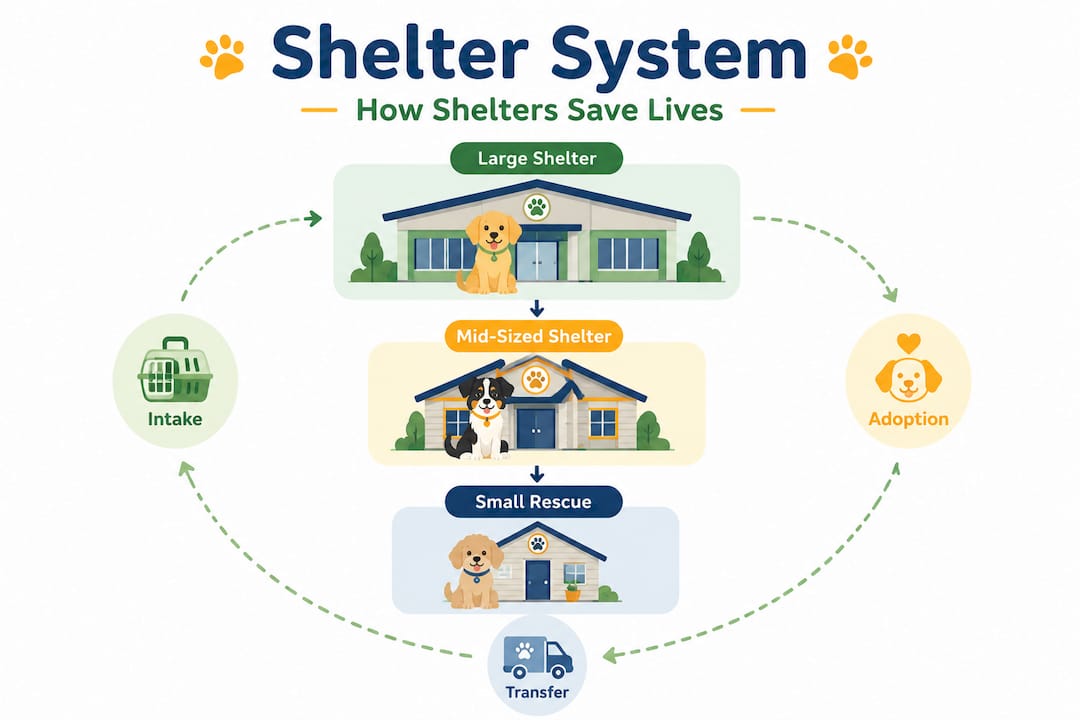
Most people think of a shelter as one building with cages. In practice, the U.S. shelter system is a layered network of organizations that each play a distinct role. Large municipal shelters typically handle the bulk of stray and owner-surrendered animals coming in the front door. Mid-sized and smaller organizations often focus more heavily on adoptions, pulling animals from larger facilities when space allows.
According to Shelter Animals Count 2025 data, the numbers tell a clear story:
| Shelter size | Annual adoptions | % of total adoptions |
|---|---|---|
| Large (2,500+ per year) | Handles most intakes | Lower adoption share |
| Mid-sized (501-2,500 per year) | Strong adoption volume | ~40.8% of all adoptions |
| Small (≤500 per year) | Smaller per-organization volume | Over 1/3 of all adoptions |
What makes this network function is animal transfers. A dog surrendered at a large city shelter might spend a few days there, then transfer to a smaller rescue group that has foster families and a stronger local adoption community. That transfer is not a failure. It is the system working exactly as designed.
Here is what that means for the pet adoption workflow from a practical standpoint:
- Large shelters act as primary intake hubs for strays, court-seized animals, and owner surrenders
- Mid-sized shelters balance intake and adoption, often with more resources for behavior assessment
- Small shelters and rescues specialize in placement, fostering, and hands-on matchmaking
- Transfer networks allow animals to move to regions or organizations with higher adoption demand
- All sizes collaborate, meaning adopting from any of them supports the whole ecosystem
Understanding this structure also matters if you ever need to rehome a dog. Knowing which type of organization handles what can help you make a faster, better decision for your pet.
With the shelter system’s structure clarified, it’s important to understand how this shapes adoption rates and outcomes across the country.
Current trends in pet adoption and shelter outcomes
The numbers coming out of U.S. shelters in recent years paint a picture that should genuinely encourage animal lovers. Adoption is working. Euthanasia rates are falling. And the people running these organizations are getting smarter about how they operate.
In 2025, adoption rates climbed to 57% for dogs and 63% for cats, both up from prior years. That means more than half of every dog entering a shelter is finding a home. For cats, nearly two-thirds are being placed.
“Community intakes totaled about 5.8 million animals in 2025, with strays accounting for 59% and owner surrenders making up 30% of that total.”
Here is how intake and outcome data breaks down in a simplified view:
| Intake source | Share of total intakes | Key implication |
|---|---|---|
| Strays | ~59% | Community animal control drives volume |
| Owner surrenders | ~30% | Life changes, housing, and costs are major factors |
| Other sources | ~11% | Transfers in, confiscations, born in care |
Seasonality matters, too. Adoption volumes typically spike in spring and summer. Shelters often run more promotions during this time, and families with kids home from school are more likely to visit. If you are thinking about avoiding common adoption mistakes, understanding seasonal timing can help you find a wider selection of animals and take advantage of reduced adoption fees that shelters sometimes offer to manage overflow.
One underappreciated trend is how much adoption screening has improved outcomes. Shelters that invest in behavioral evaluation and counseling see lower return rates, meaning the animals actually stay in their new homes.
Understanding these adoption trends helps illustrate how shelters contribute to saving lives and improving animal welfare at a national scale.
How shelters improve adoption success and reduce barriers
Shelters have learned a hard lesson over the past decade: complicated adoption processes drive people away. Long applications, multi-week wait times, and high fees all contribute to what researchers call “adoption friction.” Every unnecessary barrier is a potential adopter who walks out the door and buys from a different source instead.
Simplifying the adoption process, including waiving fees and offering same-day adoptions, led to a 14% increase in adoptions in a single month across multiple organizations. That is a significant jump from one operational change.
Here is what modern, effective shelters are doing differently:
- Waiving or reducing adoption fees during high-volume periods to move animals faster
- Offering same-day adoptions for pre-assessed animals, removing the multi-step approval delay
- Providing adoption counseling where staff help match pets to household situations
- Running digital listings with photos, videos, and behavioral notes so adopters can research before visiting
- Following up post-adoption with check-in calls or emails to support new pet owners
Pro Tip: If you are visiting a shelter and worried about cost, ask directly about fee waivers. Many shelters have programs tied to military ID, senior status, or specific adoption events. You may not see this advertised at the front desk.
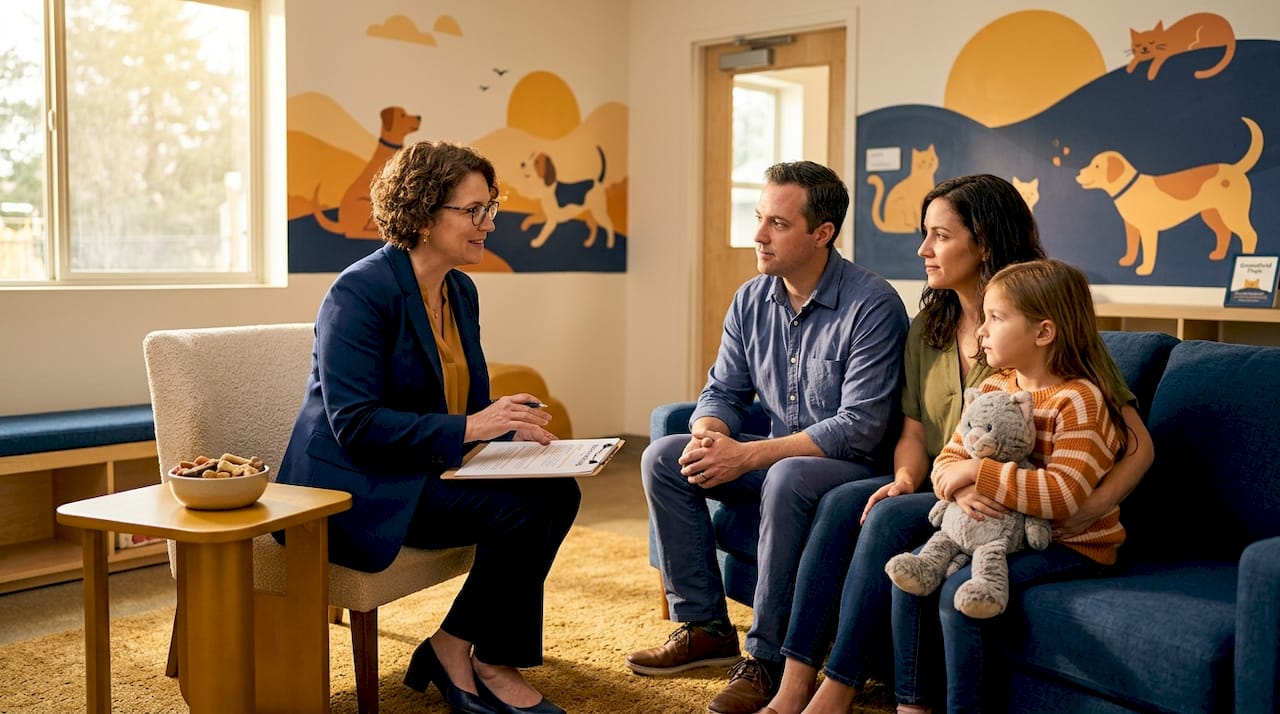
Counseling deserves special mention. A good adoption counselor does not just hand you a leash. They ask about your living situation, activity level, experience with dogs, and whether you have kids or other animals. That conversation, done well, dramatically improves the odds that the placement sticks. This ties directly into the value of advertising pets responsibly, a principle that applies whether you are a shelter, a rescue, or a private owner.
With these shelter practices in mind, it is worth addressing the myths that still hold many people back from walking through a shelter’s front door.
Debunking common myths about shelter pets
The stigma around shelter animals is stubborn. You have probably heard some version of these claims: shelter dogs are there because something is wrong with them, they are harder to train, they come with unknown baggage, or they are all mixed breeds with unpredictable temperaments. None of these hold up.
Reputable shelters ensure that pets are vaccinated, spayed or neutered, microchipped, and behaviorally assessed before adoption. Many have also been housetrained or come with behavioral support resources.
Here is what is actually true about shelter pets:
- Many are purebred. Breed-specific rescues exist for nearly every popular breed, from Golden Retrievers to French Bulldogs
- Mixed breeds often have health advantages. Genetic diversity reduces the risk of inherited conditions common in some purebred lines
- Most are surrendered for human reasons, not animal ones. A divorce, a cross-country move, or an allergic family member are among the most common reasons animals end up in shelters
- Age is not a liability. Adult dogs are often already house-trained, calmer, and easier to read in terms of personality
- Behavioral support is available. Many shelters partner with trainers and behaviorists to address any issues before or after adoption
“The idea that a shelter animal is broken is one of the most damaging myths in the pet world. It costs animals their lives and adopters a relationship they did not know they were missing.”
Understanding the full benefits of pet adoption from shelters starts with clearing away these misconceptions. Once you do, the decision to adopt often becomes much easier.
Clearing up these myths sets the stage for applying practical knowledge when you actually walk through the adoption process.
Navigating your shelter adoption journey: tips and what to expect
Knowing what to expect before you visit a shelter makes the whole experience less intimidating and more productive. The adoption process at most shelters follows a similar pattern: you fill out an application, meet the animal, and in many cases, you can complete the adoption the same day.
Here is a step-by-step breakdown of a typical shelter adoption:
- Browse online listings before you visit. Most shelters update their available animals daily, and you can narrow by age, breed, and size
- Complete an application at the shelter or sometimes online in advance. Questions usually cover your housing, lifestyle, and pet experience
- Schedule or walk in for a meet-and-greet, where you spend time with the animal in a designated room or yard
- Ask about the animal’s history including medical records, behavioral notes, and any known triggers or quirks
- Review adoption fees and any available waivers. Bring a government-issued ID. Some shelters reduce fees for veterans, seniors, or adopters with a specific loyalty card
- Complete paperwork and take your pet home, often the same day if the animal is already spayed/neutered and vaccinated
- Follow up with a vet within the first week, even if the shelter has provided a clean bill of health
Pro Tip: If you are not ready to adopt but want to help, ask about fostering. Fostering removes an animal from a crowded shelter environment, gives you a trial experience with pet ownership, and frees up kennel space for incoming animals. Many foster placements also lead to permanent adoption.
Matching the pet to your actual lifestyle matters more than most people admit. A high-energy border collie in a studio apartment is a setup for stress on both sides. The pet adoption workflow guide can help you think through these decisions systematically, and reviewing common adoption pitfalls before you visit is time well spent.
Why understanding shelters as a connected system changes how we adopt
Here is a perspective that most adoption guides skip entirely: the shelter system is not a collection of independent facilities. It is a living network, and the health of that network depends on every node, from the large municipal intake center to the two-person foster rescue operating out of a suburb.
Mid-sized and small shelters together drive the majority of adoptions nationally, even though larger facilities manage most of the intake volume. That division of labor is intentional and fragile. If the small rescues dry up because of funding or volunteer shortages, the large intake shelters fill up faster than they can place animals.
When you adopt from a small rescue, you are not just giving one dog a home. You are freeing that organization to pull another dog from the city shelter that was running out of room. When you foster, you are reducing stress on the entire system, not just one kennel. And when you volunteer or donate, you are maintaining the connective tissue that makes transfers between organizations possible.
This systemic view also reframes the question of where to adopt. People sometimes feel that adopting from a large shelter “counts more” because those facilities are more visible. But adopting from a small rescue that pulled that same dog from a large shelter is equally meaningful. It supports both organizations and helps the dog rehoming ecosystem function as a whole.
The uncomfortable truth is that most adopters make their choice based on proximity and convenience. That is fine. But if more adopters understood that the system is collaborative, more of them would also foster, volunteer, or donate to the smaller organizations that quietly do much of the placement work.
Explore resources and expert guides to support your pet adoption journey
If this guide has you thinking seriously about adoption, or if you want to make sure you approach the process with the right preparation, Greenfield Pups has practical resources to help you move forward with confidence.
Whether you are stepping through the pet adoption workflow for the first time or researching all your options including working with responsible dog breeders, our guides are built around real decisions real pet owners face. You can also explore what responsible breeding practices look like, so you can evaluate any source with confidence. Visit Greenfield Pups to browse our full library of pet adoption and ownership resources, and find the tools you need to make the best choice for your household and your future pet.
Frequently asked questions
What role do shelters play in the pet adoption process?
Shelters serve as the critical entry point for homeless pets, providing care and assessment before facilitating placement through a connected intake-adoption network that spans organizations of all sizes across the U.S.
Are shelter pets generally healthy and well-socialized?
Yes. Reputable shelters vaccinate, spay or neuter, and microchip animals before adoption, and many assess behavior to help make better adopter matches based on household compatibility.
How can adopting from a shelter save an animal’s life?
Every adoption frees shelter space and reduces euthanasia pressure. In 2025, 4.2 million pets adopted nationally contributed to the sharpest drop in shelter deaths since 2020.
What should I expect during the adoption process at a shelter?
Expect an application, a meet-and-greet, and often same-day adoption availability for animals that are already vetted; bringing a government-issued ID and asking about fee waivers can reduce your out-of-pocket cost.
Can adopting a shelter pet be a good choice for families with children or other pets?
Absolutely. Shelters assess temperament and match pets to adopter lifestyles, including compatibility with children and existing animals, making them a reliable resource for family placements.
Leave a Comment