


The Real Role of Online Pet Ads in 2026
Online pet ads have transformed how millions of Americans find, adopt, and sell companion animals. But the role of online pet ads is more complicated than most people realize. While these listings genuinely connect loving families with pets who need homes, 80% of online pet ads are estimated to be fraudulent. That one number should stop anyone scrolling through listings cold. This article breaks down both sides: how online pet advertising drives real adoption success and what dangers lurk behind a well-crafted photo of an adorable puppy.
Table of Contents
- Key takeaways
- The role of online pet ads in driving adoptions
- The risks hiding inside pet ad listings
- How technology and regulation are cleaning up the market
- Practical strategies for buyers and sellers
- Live streaming and social media engagement
- My take on what online pet ads actually mean for the market
- Find your next pet safely with Greenfieldpups
- FAQ
Key takeaways
| Point | Details |
|---|---|
| Ads genuinely boost adoptions | Social media pet campaigns increase adoption rates by 66%, especially for overlooked animals. |
| Fraud is widespread | The majority of online pet ads may be fake, using emotional manipulation to steal deposits. |
| Technology is fighting back | AI-driven platforms flag suspicious listings and reduce cost-per-acquisition by up to 45%. |
| Verification is your first defense | Reverse image searches and live video meetings expose scams before you lose money. |
| Responsible ads build real trust | Clear photos, health records, and breeder credentials separate legitimate sellers from bad actors. |
The role of online pet ads in driving adoptions
The numbers here are genuinely surprising. Social media campaigns increase pet adoption rates by 66% and raise awareness for hard-to-place animals by over 55%. That is not a marginal improvement. That is the difference between a senior dog spending years in a shelter and going home with a family within weeks.
What makes online pet adoption ads so effective comes down to storytelling. Static classified ads from 20 years ago listed breed, age, and a phone number. Today’s listings include short videos of a dog’s personality, written narratives about their quirks, and emotional calls to action that speak directly to a potential owner’s heart. Shelters that post weekly Instagram stories about unadopted animals consistently report higher inquiry rates than those relying only on their website listings.
The impact of pet ads goes beyond numbers, too. Online platforms create visibility for animals that shelters once struggled to place:
- Senior pets with longer care requirements get seen by the specific audience willing to adopt older animals
- Special needs animals with medical conditions find owners who have searched specifically for them
- Mixed breeds and overlooked sizes gain exposure that word-of-mouth adoption never provided
- Regionally displaced animals after natural disasters can be matched with adopters across state lines
The pet adoption workflow has become faster and more targeted because of how online platforms surface the right pet to the right person at the right time. That is the genuine power behind digital pet marketing done well.
The risks hiding inside pet ad listings
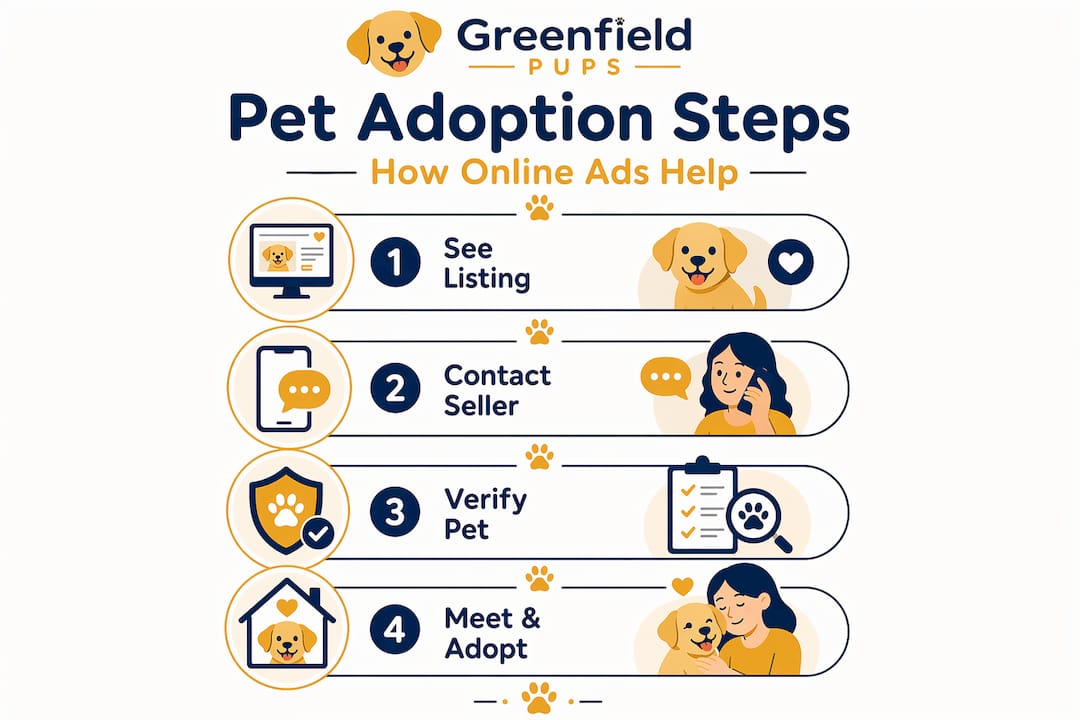
Here is the uncomfortable reality about online pet marketplaces: the same emotional triggers that make a well-written ad compelling also make buyers vulnerable. Anonymity on many platforms facilitates irresponsible breeding and outright illegal sales at a scale that would be impossible in person.
The most common fraudulent tactics follow a recognizable pattern:
- Stolen photos: Scammers pull images from legitimate breeder websites and repost them as their own
- Low asking prices: An unusually cheap purebred puppy is designed to trigger urgency, not skepticism
- Deposit demands before meeting: Any seller who requires payment before an in-person or live video meeting is a red flag
- Undisclosed fees: Transport, insurance, and crating charges appear after the deposit is paid, compounding the loss
- Fake health certificates: Scammers fabricate vet records to appear credible
“Scam pet ads don’t look like scam pet ads. They look like the listing you have been waiting for. That is the entire point.”
The impact on buyers extends beyond financial loss. People who send deposits for pets that do not exist often describe the experience as a genuine grief. They had already named the dog. They had bought a crate. The psychological manipulation is deliberate and effective.
For legitimate sellers, widespread fraud creates a different problem. Buyer skepticism is now the default. A responsible breeder posting honest photos and fair prices has to work harder to establish credibility precisely because bad actors have poisoned the well.
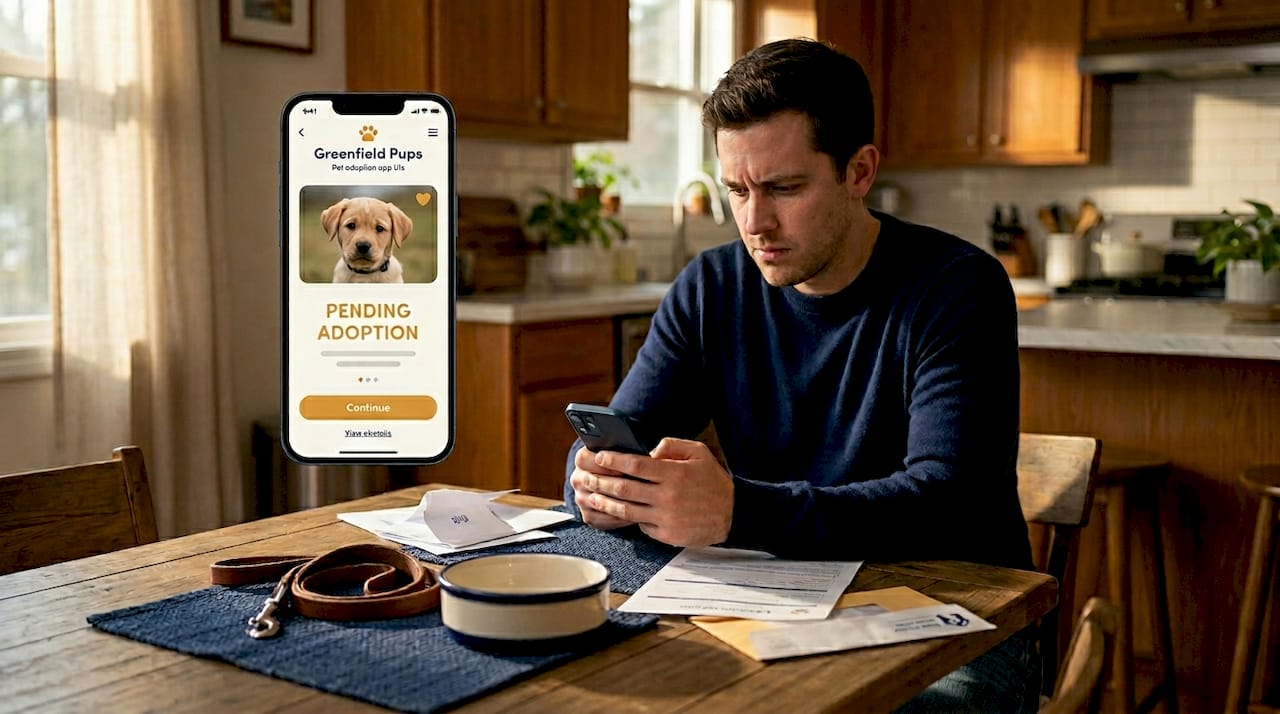
Pro Tip: If a pet listing uses stock-quality photos with no background details, no visible home environment, and no seller face visible anywhere, treat it as suspicious until proven otherwise.
How technology and regulation are cleaning up the market
The good news is that the role of online pet marketplaces is shifting toward accountability. Platforms, regulators, and technology developers are all moving to address the fraud and welfare problems that unmoderated listings created.
AI-driven advertising platforms now boost conversion rates by 15 to 25% while cutting cost-per-acquisition by 45%. But beyond the commercial gains, AI photo analysis technology flags suspicious ads showing signs of neglect or overcrowding for human review before they go live. This is not perfect, but it is a meaningful barrier that did not exist five years ago.
Here is how the major platform approaches compare:
| Feature | Verified breeder platforms | General classifieds | Social marketplaces |
|---|---|---|---|
| Breeder registration required | Yes | Rarely | No |
| Health record integration | Often | No | No |
| AI photo screening | Growing | Limited | Minimal |
| Buyer dispute resolution | Yes | Varies | Limited |
| Seller identity verification | Yes | Sometimes | Sometimes |
Requiring breeder registration and banning unverified private ads proactively excludes the criminal structures that depend on anonymity. Platforms that enforce these policies see stronger buyer confidence and fewer fraud reports than those that leave listings unmoderated.
New disclosure requirements in several states now mandate that breeders include registration numbers and vet records in their listings. Facebook has also enforced seller accountability policies that limit certain types of animal sales. These are imperfect solutions, but they move the market in the right direction.
Pro Tip: When choosing where to list pets online, prioritize platforms that require identity verification for sellers. The small friction of verification is exactly what keeps bad actors away.
Practical strategies for buyers and sellers
Whether you are searching for a puppy or advertising a litter, the same principle applies: transparency protects everyone involved. These strategies apply whether you are on the buying or selling side of an online pet ad.
For buyers:
- Run a reverse image search on every pet photo before contacting a seller. Identical images appearing across multiple listings is a clear sign of a stolen photo operation
- Insist on a live video call where the seller shows the animal in real time, including the living environment
- Never pay via wire transfer or gift cards. These payment methods offer zero buyer protection and are the preferred tool of scammers
- Ask for the vet’s name and contact information. Call the vet directly to confirm the animal exists as described
- Review the safe buying guide for a full breakdown of what legitimate transactions look like
For sellers:
- Use original photos taken in your actual environment. This alone separates your listing from the majority of fraudulent ads
- Include your registration number, health records, and vaccination history directly in the listing
- Respond to inquiries in detail. Scammers rarely engage in multi-message conversations with specific questions
- Price your animals at fair market value. Suspiciously low prices attract the wrong kind of attention from both scammers and buyers who will not give your animal a responsible home
Understanding proven dog advertising tips can help responsible breeders create listings that build trust from the first click, not just the first phone call.
Live streaming and social media engagement
Live streaming has changed how breeders and shelters connect with buyers in a way that static listings cannot replicate. Live streaming pet demonstrations generate significantly higher engagement rates and buyer trust than traditional photo posts. The reasons are straightforward: a live video cannot be faked the way a photo can.
Here is how responsible sellers are using live formats effectively:
- Weekly live sessions: Scheduled Instagram or Facebook Live streams showing puppies in their home environment, interacting naturally
- Q&A formats: Inviting prospective buyers to ask questions in real time removes the information gap that scammers depend on
- Story-driven content: Walking viewers through the puppy’s daily routine, temperament, and health milestones builds emotional connection that a listing description cannot
- Virtual facility tours: Giving buyers a live look at where animals are raised answers welfare questions before they are asked
Responsible breeders leveraging live formats consistently report increased inquiry rates and buyers who arrive at the transaction already confident in what they are purchasing. Looking ahead, augmented reality tools that let buyers virtually “visit” a breeder’s facility before committing are already in early development. The direction of digital pet marketing is toward more transparency, not less.
My take on what online pet ads actually mean for the market
I’ve spent years watching how online pet ads evolve, and my honest view is that they are one of the most powerful tools in the pet world and one of the most misused. The 66% boost in adoptions from social media campaigns is real. So is the emotional manipulation that bad actors use to exploit buyers.
What I’ve come to believe is that the platforms themselves bear more responsibility than they typically accept. Volume-driven marketplaces profit from listings whether those listings are legitimate or fraudulent. The incentive to verify aggressively simply is not there unless regulation or public pressure forces it. I’ve seen responsible breeders lose buyers to scammers charging half the price. That is not a buyer education problem. That is a platform accountability problem.
My practical advice: treat the platform’s level of verification as a signal of its values. A marketplace that requires breeder registration and integrates health records is telling you it cares about outcomes. One that lets anyone post with no friction is telling you it cares about volume.
The hopeful part is that AI screening, breeder certification programs, and buyer education are all improving simultaneously. The gap between a trustworthy listing and a fraudulent one is becoming more visible to anyone who knows what to look for. That knowledge, applied consistently, is what protects buyers and rewards responsible sellers.
— Taylor
Find your next pet safely with Greenfieldpups

Greenfieldpups connects dog buyers with responsible, verified breeders across the United States. Every listing on the platform is designed with transparency in mind, giving buyers the breed-specific information, health details, and seller credentials they need to make confident decisions. Whether you are searching for a specific breed or posting a litter for the first time, Greenfieldpups provides the tools to do it right. Start by understanding the types of dog breeders you may encounter, or explore the breeder ethics guide to understand what responsible breeding looks like in practice. Informed buyers and ethical sellers make the entire market better for the animals at the center of it.
FAQ
How effective are online pet ads for adoption?
Social media pet campaigns increase adoption rates by 66% and raise awareness for hard-to-place animals by over 55%, making online ads one of the most effective tools available to shelters and rescue organizations.
What percentage of online pet ads are fake?
Research indicates that up to 80% of online pet listings may be fraudulent, with scammers using stolen photos and emotional manipulation to solicit deposits for animals that do not exist.
How can I tell if a pet ad is legitimate?
Run a reverse image search on the photos, request a live video call showing the animal in its real environment, and avoid any seller who requests payment via wire transfer or gift cards before you have met the pet.
What makes a pet ad trustworthy for buyers?
Listings that include original photos, a breeder registration number, verified health records, and a seller willing to do a live video meeting are the strongest signals of legitimacy in any online pet advertisement.
Do verified platforms reduce pet ad fraud?
Yes. Platforms that require breeder registration and ban unverified private listings proactively remove the anonymity that criminal operations depend on, resulting in fewer fraud reports and stronger buyer confidence.
Leave a Comment