

Dog marketplaces explained: safe buying and adoption guide
Not all dog marketplaces are created equal, and assuming otherwise is one of the costliest mistakes a prospective buyer or breeder can make. Some platforms rigorously screen sellers, require health testing, and enforce ethical contracts. Others allow virtually anyone to post an ad, opening the door to fraud, sick puppies, and heartbreak. A dog marketplace is an online platform connecting buyers with breeders, rescues, or private individuals, but the quality and safety of that connection varies enormously. This guide breaks down how these platforms work, what separates a trustworthy option from a risky one, and how you can navigate the landscape with confidence.
Table of Contents
- What is a dog marketplace?
- Types of dog marketplaces: How they differ
- Benefits and risks of using dog marketplaces
- How to stay safe and choose responsibly
- Our take: Why most dog marketplace advice falls short
- Next steps: Find your ideal dog safely
- Frequently asked questions
Key Takeaways
| Point | Details |
|---|---|
| Dog marketplaces vary | Platforms range from reputable, screened breeder sites to high-risk classifieds with minimal oversight. |
| Prioritize safety features | Look for health testing, breeder contracts, and good reviews when choosing a platform. |
| Adoption is an option | Rescue-oriented sites like Petfinder and Adopt-a-Pet connect you with dogs needing homes. |
| Avoid common scams | Most social media ads and some classifieds are fraught with fraud and puppy mill risks. |
| Do your homework | Research, ask questions, and verify before sending money or committing to a dog. |
What is a dog marketplace?
At its core, a dog marketplace is a website or app designed to connect people who want dogs with people who have dogs available. That sounds simple, but the mechanics behind each platform shape your entire experience as a buyer, adopter, or seller.
Most marketplaces serve one of two primary purposes. The first is purchase: connecting buyers with breeders or private individuals selling puppies and adult dogs. The second is adoption: matching prospective pet owners with rescue organizations or shelters looking to place animals in loving homes. Many platforms blend both, but they rarely do both equally well.
What makes dog marketplace platforms useful is the range of built-in features designed to streamline your search:
- Breed-specific filters so you can narrow results to exactly the dog you want
- Location-based searches that show dogs within a set radius of your zip code
- Age and price filters to match your budget and lifestyle preferences
- Seller profiles with photos, descriptions, and sometimes reviews or verification badges
- Messaging or contact tools to communicate directly with breeders or rescues
- Application forms or deposit systems for reserving a puppy before it is born
“A marketplace’s features only matter as much as the quality of the listings behind them. A platform with every filter imaginable is still dangerous if it does not screen who posts on it.”
You can browse listings by breed, location, age, and price, contact sellers, submit applications, place deposits, and review health guarantees, all without leaving your couch. That convenience is genuinely powerful, especially if the breed you want is not common in your region. However, convenience without accountability is where things go wrong.
Types of dog marketplaces: How they differ
Not every dog marketplace operates the same way. Understanding the major categories helps you make smarter, safer decisions right from the start.
Breeder-based marketplaces
These platforms partner exclusively with breeders who meet specific standards. They emphasize ethics, health testing, written contracts, and transparent breeding practices. The AKC Marketplace connects buyers with responsible breeders who must register litters with the American Kennel Club, ensuring a baseline of accountability. Good Dog is another well-regarded option, using a multi-point screening process before a breeder can list puppies.
Rescue and adoption platforms
Petfinder and Adopt-a-Pet aggregate rescue and shelter listings from thousands of organizations across the country. These platforms do not sell dogs. They connect adopters with animals that need homes, and the listing organizations are typically established nonprofits with their own screening processes. Adoption fees usually cover spaying/neutering, vaccinations, and microchipping.

Broker-based platforms
Broker sites act as middlemen between buyers and breeders. They vet and screen breeders, handle payments and transport, and often provide health guarantees on the puppies they place. Platforms like Pawrade and PuppySpot fall into this category. The tradeoff is that you may never interact with the breeder directly, which limits your ability to ask questions, visit the facility, or assess conditions firsthand.
Classified-style listings
This is where caution is most critical. Classified sites have low oversight and a higher risk of scams, misleading photos, or puppies raised in poor conditions. These platforms typically allow any seller to post with minimal verification, making them a favorite channel for unethical breeders and outright fraudsters.
Here is a quick comparison to put the differences in perspective:
| Marketplace type | Breeder screening | Health guarantees | Direct breeder access | Adoption listings | Risk level |
|---|---|---|---|---|---|
| Breeder-based (AKC, Good Dog) | High | Yes | Yes | No | Low |
| Rescue/adoption (Petfinder) | Varies by org | Varies | No | Yes | Low to medium |
| Broker (Pawrade, PuppySpot) | Medium to high | Yes | Limited | No | Low to medium |
| Classifieds | None to minimal | Rarely | Yes | Sometimes | High |
You can also explore marketplace alternatives if you find that common platforms do not meet your specific needs or standards. Some states have also started restricting pet store sales to limit the influence of commercial puppy mills, which is worth researching based on where you live.
Benefits and risks of using dog marketplaces
Dog marketplaces offer real advantages. But they also carry risks that too many buyers underestimate until it is too late.
The genuine benefits
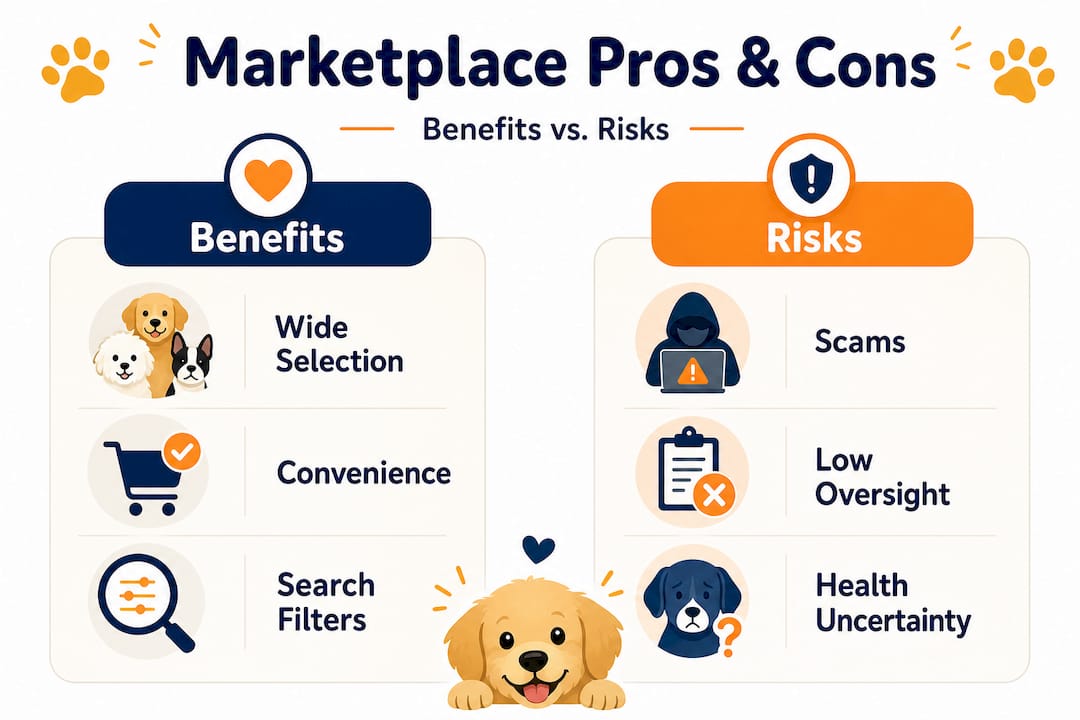
Wider selection. You are no longer limited to whatever dogs happen to be available in your town. If you want a rare breed like a Lagotto Romagnolo or an Icelandic Sheepdog, a national marketplace dramatically expands your options.
Convenience. You can research, compare, and communicate with multiple sellers or rescues from a single platform. This saves time and gives you a broader picture before committing.
Specialized search tools. Good platforms let you filter by temperament traits, activity level, coat type, and other characteristics that matter for your lifestyle.
Access to distant breeders. Some of the most reputable breeders in the country do not advertise locally. Marketplaces give them national reach and give you access to dogs you would never find otherwise.
The real risks
- Scams and fraud. Fake listings, stolen photos, and “wire me a deposit” schemes are rampant on low-oversight platforms
- Puppy mills. Some breeders use marketplace listings to appear legitimate while operating large-scale, inhumane breeding operations
- Health issues. Dogs from unscreened sellers frequently arrive with undisclosed genetic conditions or illnesses
- Unreliable guarantees. A written guarantee means nothing if the company or seller disappears afterward
- Impulse decisions. Marketplace browsing can feel like online shopping, encouraging emotional decisions you might regret
The numbers here are striking. Research shows that 80% of puppy-related ads on platforms like Facebook Marketplace and Craigslist are fraudulent. That is not a small margin of error. That is the overwhelming majority.
Platform reputation matters enormously. Pawrade scores 4.7 out of 5 on Trustpilot, reflecting a generally positive buyer experience. Lower-oversight classified sites, by contrast, frequently accumulate complaints about sick puppies and unresponsive sellers.
Pro Tip: Before placing any deposit, search the platform’s name plus “reviews” and “complaints” on Google. Read the negative reviews specifically. They often reveal patterns that positive reviews obscure.
Understanding classified dog listings safety is especially important for first-time buyers who may not yet recognize the warning signs of a bad actor. Equally valuable is learning about boosting trust for buyers so you understand what legitimate sellers typically look like in practice.
How to stay safe and choose responsibly
Knowing the risks is only half the equation. Here is a practical, step-by-step approach to protecting yourself and ensuring any dog you bring home comes from an ethical source.
-
Research the platform itself first. Not just the listing. Understand how the platform screens sellers, what rules govern listings, and how disputes are handled. Platforms like the AKC Marketplace prioritize screened breeders and require documentation that classifieds simply do not.
-
Review breeder or rescue profiles thoroughly. Look for complete profiles with multiple photos, detailed breed information, references, and evidence of health testing. Thin profiles with one photo and a phone number are a red flag.
-
Request health test results in writing. Responsible breeders test for breed-specific genetic conditions. For example, a reputable Golden Retriever breeder should test for hip dysplasia, elbow dysplasia, heart conditions, and eye disorders. Ask for documentation before committing.
-
Insist on a written contract. Ethical breeders use contracts that cover health guarantees, return policies, and spay/neuter requirements. Responsible breeders use contracts, take-backs, and health guarantees as standard practice, not as a premium add-on.
-
Visit the breeder in person when possible. Video calls are helpful. In-person visits are better. Seeing where a puppy was raised, meeting the parents, and observing the breeder’s facility tells you more than any listing page can.
-
Never buy on impulse. Give yourself at least a week between finding a listing you love and committing. That pause alone filters out a significant percentage of scam attempts, which rely on urgency and emotion.
-
Check your state’s laws. Several states have enacted legislation limiting or banning the sale of dogs from commercial breeders in pet stores. Knowing your local regulations helps you understand your rights and what protections apply to your purchase.
Pro Tip: Always verify the breeder by asking for AKC registration numbers, vet references, and contact information for past buyers. Reputable breeders welcome this scrutiny because they have nothing to hide.
For more detailed guidance on evaluating sellers, the resources on choosing a responsible dog breeder and finding reputable breeders walk you through the process step by step. If you want to understand the standards that set great breeders apart, reviewing ethical breeding practices is a strong starting point.
Our take: Why most dog marketplace advice falls short
Most articles about dog marketplaces focus on the obvious warnings: avoid scams, watch for red flags, stick to reputable platforms. That advice is correct, but it stops short of what actually determines a successful outcome for buyers and breeders alike.
Here is what we have seen repeatedly: people who follow every safety checklist perfectly still end up disappointed, not because they were scammed, but because they treated the marketplace transaction as the finish line. The truth is that bringing a dog home is the starting line. What happens in the months and years after that transaction is what determines whether it was the right decision.
The best dog marketplaces are not just listing tools. They are gateways into communities of knowledgeable breeders, experienced owners, and ongoing support networks. When a buyer connects with a truly ethical breeder, they often gain a resource they can call years later when their dog develops a health question or behavioral challenge. That ongoing relationship is where the real value lives, and most marketplace advice completely ignores it.
We also believe the focus on ratings and guarantees is sometimes misplaced. A five-star rating on a broker platform is useful data, but it does not replace direct engagement with a breeder who understands the specific dog they produced. Buyers who invest time in education before searching tend to make far better decisions than those who rely entirely on platform trust signals.
Understanding breeder ethics and responsibilities gives both buyers and breeders a clearer picture of what genuine accountability looks like. The goal is not just a safe transaction. It is a lasting relationship built on transparency, shared values, and a genuine commitment to the dog’s wellbeing.
Next steps: Find your ideal dog safely
Ready to take the next step in finding your perfect dog? Greenfield Pups brings together everything you need to search with confidence and clarity.
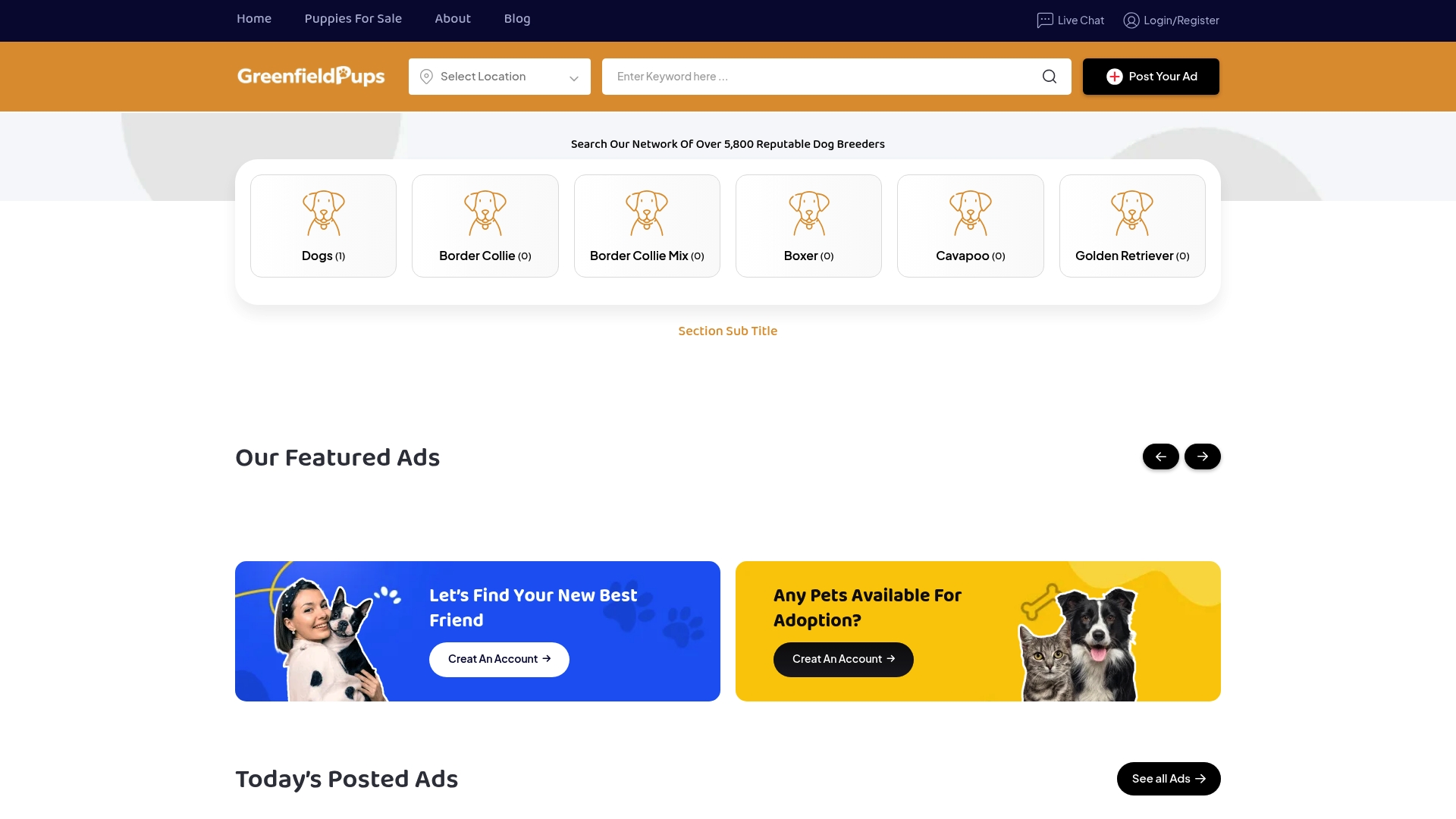
Whether you are adopting for the first time, searching for a specific breed, or listing dogs as a breeder, our platform is built to help you make informed, ethical decisions every step of the way. Explore detailed guides on dog breeder types to understand exactly who you are buying from, then shop for puppies from listings designed with transparency in mind. When you are ready to browse the full selection or start your search, Greenfield Pups is your trusted companion for a rewarding dog ownership journey built on trust and knowledge.
Frequently asked questions
What should I look for in a dog marketplace to ensure it’s safe?
Look for breeder or shelter verification, health guarantees, written contracts, and strong third-party reviews. Platforms like the AKC Marketplace screen breeders for registration and ethical standards, which is a reliable baseline for safety.
Are there dog marketplaces that avoid puppy mills?
Yes. The AKC Marketplace requires breeders to register litters and meet ethical standards, and Good Dog uses a multi-point screening process to reduce the risk of puppy mill connections.
Why are classified ads risky for buying dogs?
Classified sites offer minimal oversight, making it easy for unethical sellers to post listings with little accountability, which leads to higher rates of scams, misrepresentation, and unhealthy puppies.
How do broker dog marketplaces work?
Broker platforms vet breeders and handle payments and transport logistics, offering health guarantees and a streamlined buying process, though buyers often do not have direct contact with the breeders who raised their dog.
Leave a Comment