
Why Visit Adoption Events: Benefits Every Dog Lover Needs
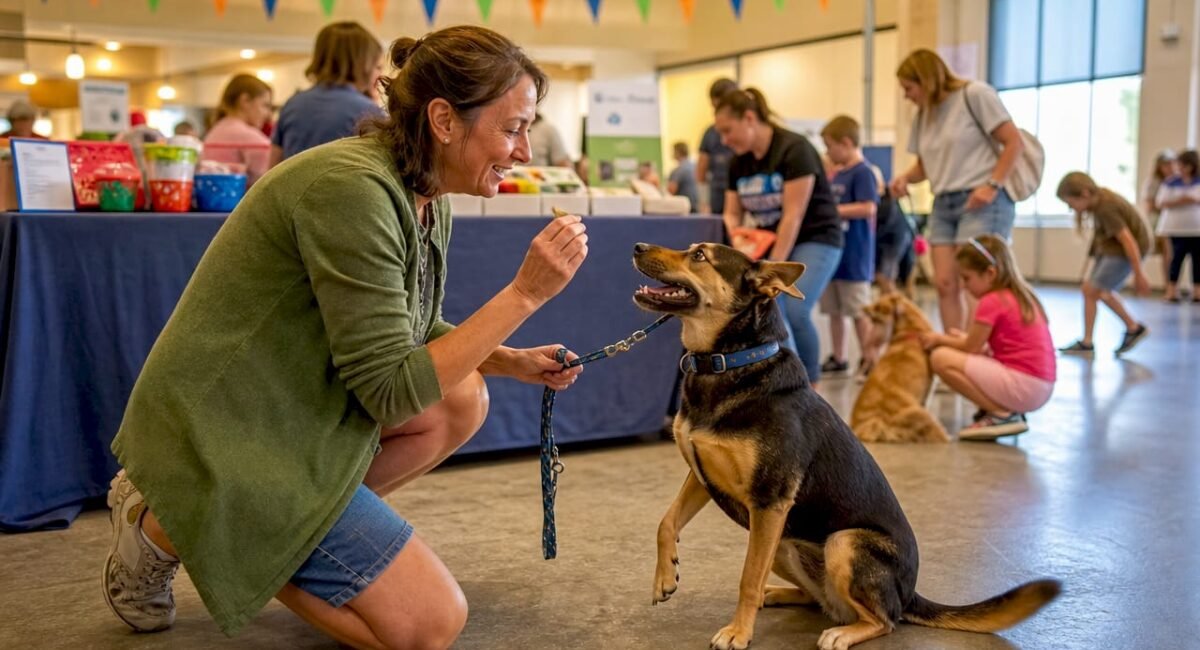
Adoption events are organized gatherings where prospective dog owners meet adoptable animals in person, interact with them directly, and often complete the adoption process on-site. These events are the most effective format for matching dogs with families because they replace passive online browsing with real conversation, real behavior, and real connection. If you’ve been scrolling through listings and still feel uncertain about why visit adoption events matters for your decision, the answer is straightforward: no photo or profile tells you what five minutes with a dog in a relaxed setting can.
Why visit adoption events to find your next dog
Adoption events work because they remove the friction that causes most adoptions to stall. Well-run adoption events increase adoption rates by approximately 14% within a month of the event. That number reflects a real behavioral shift: when barriers like intimidating shelter environments and confusing paperwork disappear, people follow through.
Weekend events draw 30 to 40% higher attendance than weekday alternatives, which means more dogs get seen and more families find matches. Higher foot traffic also creates social proof. When you watch another family complete an adoption in front of you, the decision feels less abstract and more achievable. Social proof at adoption events encourages families to adopt dogs they might never have considered from a static online listing.
The benefits of adoption events extend beyond individual outcomes. Dogs that get overlooked in shelter kennels because of stress behaviors often shine at events held in parks, pet stores, or community centers. These are the animals most at risk of being passed over online, and events give them a second chance at visibility.
Key reasons adoption events outperform online-only searches:
- You observe real-time behavior, not a curated photo
- Volunteers share firsthand knowledge of each dog’s personality
- You can compare multiple dogs in a single afternoon
- Same-day adoption is often possible, cutting weeks off the process
- The environment is lower-pressure than a formal shelter visit
What to expect at adoption events and how to prepare
A typical adoption event runs on Saturday afternoons, averaging 4 to 5 adoptions between 2 PM and 5 PM. That pace means organizers are experienced, paperwork is ready, and the process moves efficiently. Knowing what to bring and what to expect removes the anxiety that stops many first-timers from attending.
Preparation separates a successful visit from a frustrating one. Bring valid photo ID and proof of residence to every event, as these are standard requirements across most shelters and rescue organizations. If you already own a pet, bring documentation of their updated vaccinations and, where the event allows, bring the pet itself for an on-site compatibility test.
Here is a practical checklist for attending your first adoption fair:
- Photo ID and proof of address. A driver’s license plus a utility bill or lease agreement covers most requirements.
- Pet vaccination records. Required if you plan to introduce an existing dog at the event.
- A list of questions for volunteers. Ask about energy level, house-training status, behavior around children, and any known triggers.
- An open mind about breed and age. Many adopters arrive fixed on a puppy and leave with a three-year-old mixed breed that was a perfect fit.
- Comfortable shoes and patience. Events can run long, and the right match sometimes takes time.
Pro Tip: Don’t expect to make a final decision in the first ten minutes. Walk the event once to observe all available dogs before circling back to the ones that caught your attention. First impressions at busy events can be misleading.
Post-adoption support is built into well-organized events. Follow-up communication arrives within 48 hours, two weeks, and 30 to 60 days after adoption. This timeline exists because the transition period is when most adoptions face stress, and proactive contact from the shelter prevents returns. Knowing that support is scheduled makes the decision feel less permanent and more supported.
How seeing dogs in a relaxed setting helps you choose the right pet
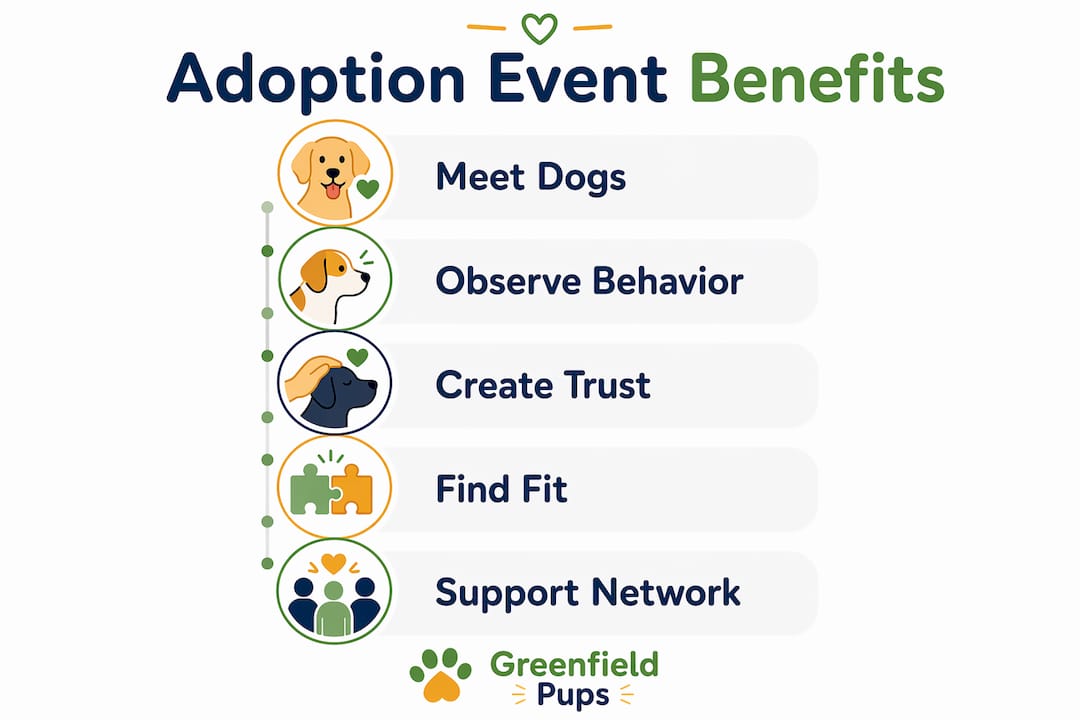
Shelter kennels are high-stress environments that mask dogs’ true personalities. A dog that barks frantically in a kennel may be calm, affectionate, and playful the moment it steps outside. Adoption events are specifically designed to reveal that contrast, which is why finding pets at adoption events produces better long-term matches than shelter-only visits.
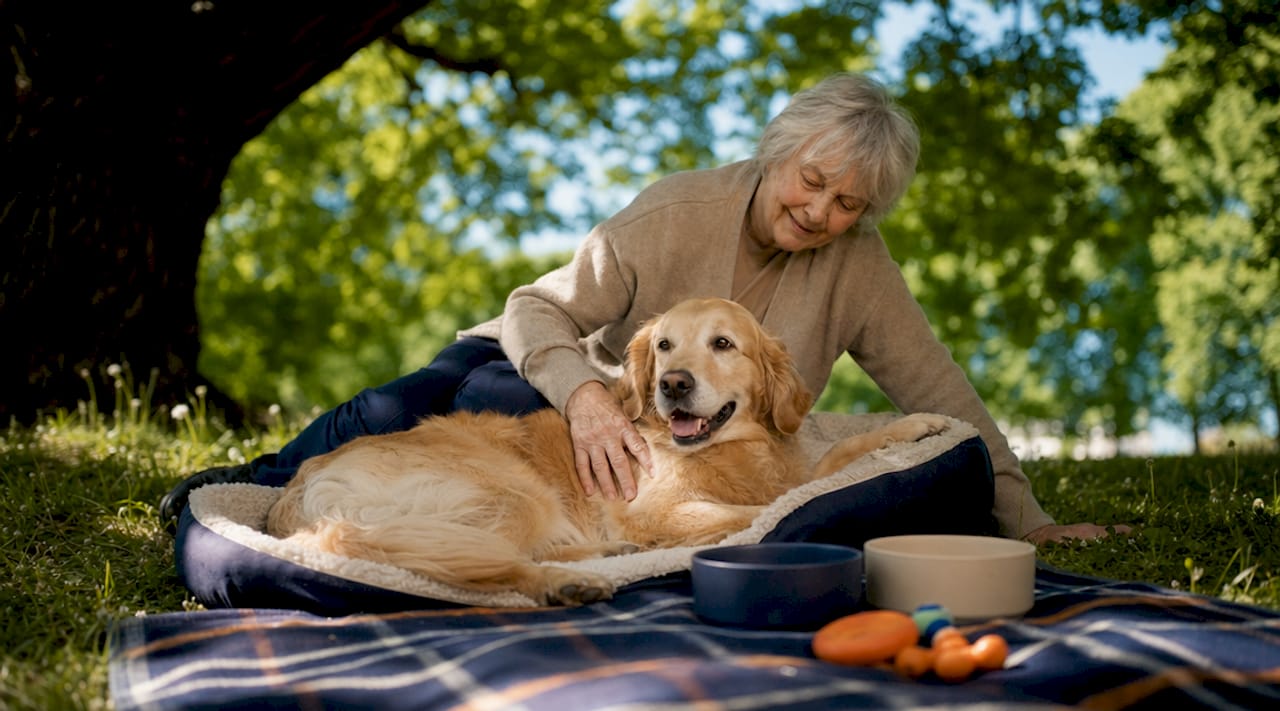
Well-organized events include decompression zones where dogs can settle before meeting potential adopters. These quiet spaces prevent misjudging a dog’s suitability due to temporary overstimulation from crowds and noise. A dog that seems shut down in a kennel often transforms completely after ten minutes in a calm corner of a park.
Pro Tip: Ask the volunteer handling a dog to step back and let the dog approach you on its own terms. A dog that chooses to engage with you independently is showing you its baseline social confidence, which is far more informative than a forced greeting.
What you can realistically observe at a well-run adoption event:
- Play style. Does the dog initiate play, respond to it, or prefer calm interaction?
- Leash behavior. How does the dog walk when distracted by other animals and people?
- Recovery speed. After a startle or loud noise, how quickly does the dog return to baseline?
- Social interest. Does the dog seek human contact, or is it more independent?
- Compatibility signals. If you bring your existing dog, watch for neutral or positive body language between them.
Human conversation at adoption events creates the kind of trust that online listings cannot replicate. Volunteers who have fostered or worked with a specific dog carry behavioral context that no profile page captures. Asking them direct questions about how a dog behaves at home, not just at the event, gives you a far more accurate picture of what life with that animal will look like.
Community and support benefits beyond adopting a pet
Adoption events function as community hubs, not just adoption pipelines. Attendees who don’t adopt often become volunteers, donors, or foster families as a direct result of attending. The exposure to the animals and the people who care for them creates a sense of investment that persists long after the event ends.
Making connections at adoption events builds a support network that new pet owners rely on during the adjustment period. You leave with the contact information of the rescue organization, the foster family who raised your dog, and often other adopters who attended the same event. That informal network answers questions faster than any online forum.
“The most lasting impact of a well-run adoption event isn’t the adoptions that happen on the day. It’s the relationships that form between shelters, volunteers, and the community that keep animals safe for years afterward.”
Adoption events also serve as educational platforms. Attendees learn about responsible pet ownership, spay and neuter programs, and premium nutrition for shelter animals from knowledgeable volunteers on-site. That education reduces the likelihood of post-adoption returns because new owners arrive home better prepared.
The broader community benefits include:
- Increased public awareness of local shelter capacity and needs
- Recruitment of foster families who provide temporary homes between events
- Donor relationships that fund medical care for animals awaiting adoption
- Ongoing educational programming that extends the event’s impact
Key takeaways
Adoption events are the most effective format for matching dogs with families because they combine real behavior observation, expert volunteer knowledge, and community support into a single afternoon.
| Point | Details |
|---|---|
| Adoption rates increase measurably | Well-run events boost adoptions by approximately 14% within a month by removing barriers. |
| Preparation determines your experience | Bring photo ID, proof of address, and vaccination records to avoid delays at the event. |
| Relaxed settings reveal true personality | Dogs in decompression zones show genuine behavior that shelter kennels consistently hide. |
| Community value extends beyond adoption | Non-adopting attendees regularly become volunteers, fosters, or donors after attending. |
| Post-adoption support is structured | Follow-up contact at 48 hours, two weeks, and 30 to 60 days reduces adoption failures. |
What I’ve learned from attending adoption events firsthand
The first time I walked into an outdoor adoption event, I expected to feel overwhelmed by the number of dogs and the noise. What I didn’t expect was how quickly a specific dog would make the decision for me. A three-year-old hound mix walked directly to me, sat down, and leaned against my leg. No performance, no frantic energy. Just a clear signal.
That kind of moment doesn’t happen through a screen. You can read a step-by-step adoption guide and still feel uncertain until you’re standing in front of the animal. What I’ve found is that most people who attend events leave with far more clarity than they arrived with, whether or not they adopt that day.
The advice I give anyone attending for the first time: talk to the volunteers more than you think you need to. They know things about each dog that aren’t written anywhere. Ask about the dog’s behavior on a quiet Tuesday morning, not just at a busy event. Ask what the dog does when left alone. Ask what makes it anxious. Those answers shape your decision more than any personality description on a card.
Attend more than one event if you can. The second event teaches you what the first one couldn’t: what you actually respond to in a dog, versus what you thought you wanted before you had the experience.
— Taylor
Find your next dog with Greenfieldpups

Greenfieldpups connects dog lovers with responsible breeders and adoption resources across the United States. Whether you’re preparing for your first adoption event or researching ethical adoption practices, Greenfieldpups offers guides and listings built for informed decisions. Start with the ethical adoption guide to understand the full case for adoption, then use the adoption mistake guide to protect your transition once you bring a dog home. Greenfieldpups exists to make every step of that process clearer, faster, and more confident for you.
FAQ
Why should I visit an adoption event instead of browsing online?
Adoption events let you observe a dog’s real behavior in a relaxed setting, which online listings cannot replicate. In-person interaction and volunteer conversations produce more informed, confident adoption decisions than profile pages alone.
What documents do I need to bring to an adoption event?
Bring a valid photo ID and proof of residence, such as a utility bill or lease agreement. If you own an existing pet, bring their vaccination records and check whether the event allows on-site compatibility introductions.
How many dogs get adopted at a typical event?
A well-organized Saturday afternoon event averages 4 to 5 adoptions between 2 PM and 5 PM. Weekend events attract 30 to 40% more attendees than weekday events, which increases the chances of a successful match.
What if I attend and don’t adopt?
Attending without adopting still has real value. Many visitors become volunteers, foster families, or donors after attending, and the experience clarifies what you’re looking for in a future dog.
How long does post-adoption support last?
Most organized shelters and rescues follow up at 48 hours, two weeks, and 30 to 60 days after adoption. This structured contact helps new owners navigate the adjustment period and reduces the likelihood of returns.
Leave a Comment