
Why Adopt Not Shop: Ethical Reasons and Real Benefits
Choosing to adopt a pet from a shelter rather than buying from a breeder or pet store is one of the most direct ways to reduce animal suffering and support a system that saves lives. The phrase “adopt not shop” captures a straightforward ethical position: millions of dogs and cats wait in shelters every year, and purchasing from commercial sources adds demand that drives more breeding. This article breaks down the moral case, the practical advantages, and the honest realities of shelter adoption so you can make the most informed decision possible before bringing a pet home.
Why adopt not shop: the core ethical argument
The most urgent reason to adopt instead of buy comes down to numbers. In 2025, 757,000 shelter dogs and cats in the United States experienced non-live outcomes because shelters ran out of space. That figure represents animals that could have been saved if more people had chosen adoption over purchase. Every time someone buys from a breeder or pet store, they pass over a shelter animal that may not survive the wait.
Commercial breeding operations, including large-scale puppy mills, produce animals to meet consumer demand. When that demand drops because more people adopt, fewer animals are bred into a system that already cannot absorb them. The logic is direct: reducing breeding demand is a more sustainable long-term solution to overpopulation than relying solely on no-kill shelters to absorb the overflow.
The importance of adopting pets also shows up at the system level. Each adoption frees a kennel space, which allows a shelter to take in another animal. One adoption freeing a kennel creates a ripple effect that extends well beyond the individual animal you bring home. Framing adoption this way, as a measurable contribution to a larger system, makes the ethical case concrete rather than sentimental.
- Shelter overcrowding leads directly to euthanasia for healthy, adoptable animals
- Puppy mills prioritize volume over animal welfare, producing dogs with preventable health and behavioral issues
- Buying from any commercial source, including pet stores sourcing from mills, sustains that supply chain
- Adoption reduces demand at the source, not just at the shelter level
Pro Tip: Before visiting a shelter, search for breed-specific rescue organizations in your area. Groups like Golden Retriever Rescue or Labrador Retriever Rescue operate nationwide and place purebred dogs directly from foster homes.
What practical benefits come with adopting a pet?
The ethical case for adoption is strong, but the practical advantages are just as real. Adoption fees typically bundle vaccinations, neutering, and microchipping into a single upfront cost, while buying a dog from a breeder means paying for each of those services separately after purchase. For a new dog owner, that difference can add up to several hundred dollars in the first few months alone.

Beyond cost, shelters offer a wider range of ages, temperaments, and breeds than most people expect. Adult dogs, in particular, arrive with established personalities. You can see exactly how a three-year-old Beagle behaves around children or other dogs before you commit. Puppies from breeders, by contrast, are a personality unknown regardless of breed reputation.
The emotional dimension of adopting a rescue dog is real and well-documented among owners, though it is worth noting that a 2026 study found no universal causal health benefits from pet ownership. That finding matters because it reframes the decision honestly. You should adopt because you are genuinely prepared to care for an animal, not because you expect a pet to solve a personal wellness problem. The bond that forms with a rescue dog is genuine and often deep, but it requires investment from you.
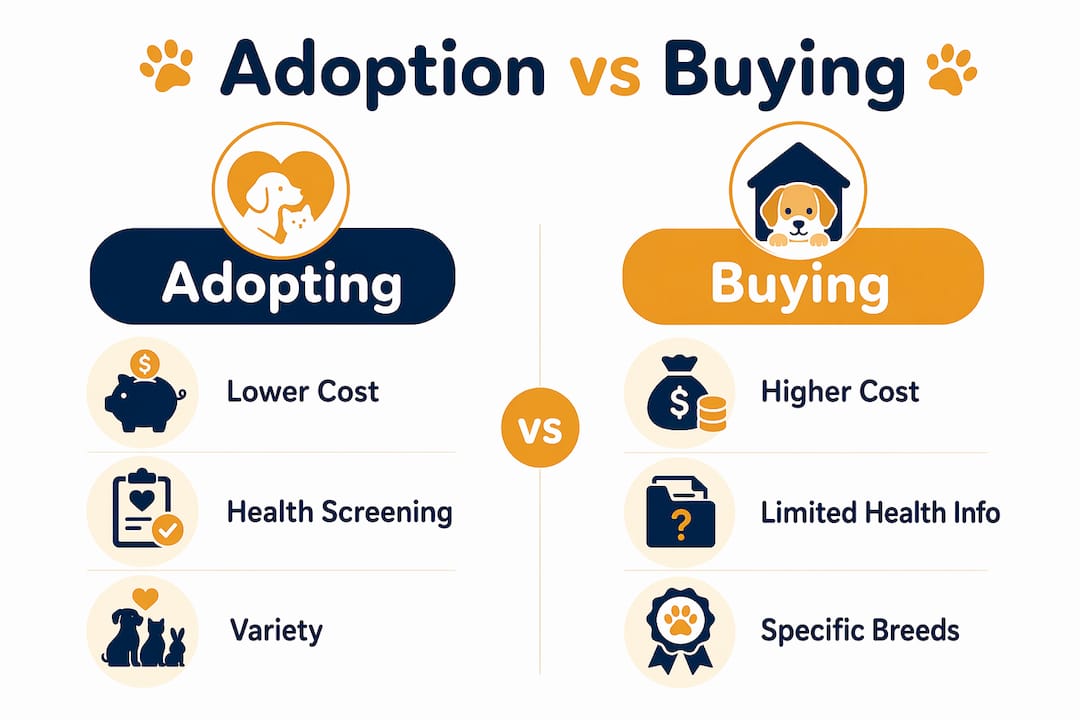
| Factor | Adopting from a shelter | Buying from a breeder |
|---|---|---|
| Upfront cost | Lower, often includes vet services | Higher purchase price plus separate vet costs |
| Age options | Puppies, adults, seniors available | Primarily puppies |
| Personality insight | Known temperament from shelter or foster | Unknown until adulthood |
| Health records | Provided at adoption | Varies by breeder quality |
| Ethical impact | Reduces demand, saves a life | Sustains commercial breeding demand |
Pro Tip: Ask the shelter whether a dog has been in a foster home. Foster caregivers can tell you how a dog behaves in a real home environment, around kids, cats, and during thunderstorms. That information is worth more than any breed profile.
How do you address common concerns about adopting vs. buying?
The most frequent objection to shelter adoption is breed preference. People want a specific look, size, or temperament and assume shelters cannot deliver that. The reality is that breed preferences are primarily about appearance rather than functional necessity for most households, and breed-specific rescues exist for nearly every popular breed. Organizations dedicated to Dachshunds, French Bulldogs, German Shepherds, and dozens of other breeds operate across the country and place dogs ethically.
Health and behavior concerns are the second most common hesitation. Some adopters worry that shelter dogs carry unknown medical histories or behavioral baggage. Reputable shelters conduct health screenings and behavioral assessments before listing animals for adoption. The screening process improves adoption matches and reduces the chance of a poor fit that leads to relinquishment.
Readiness is the concern that deserves the most honest attention. Families surrender pets most often due to lack of realistic preparation, not because adoption itself failed. Before you adopt, work through these questions:
- Do you have the time for daily exercise, training, and socialization?
- Is your housing situation stable and pet-friendly?
- Can you cover routine vet costs and an emergency fund of at least $1,000?
- Does everyone in your household agree on getting a pet?
- Are you prepared for a 10 to 15 year commitment?
Answering those questions honestly is more important than any ethical argument. A returned dog costs the shelter resources and causes the animal stress. Preparation is the most responsible thing you can do before you walk through a shelter door. The Greenfieldpups step-by-step adoption guide walks through each of these readiness factors in detail.
How do shelters and foster programs improve adoption outcomes?
The shelter system is not a static holding facility. It is an active ecosystem that, when properly resourced, dramatically improves the odds for animals in its care. In 2025, 68% of US shelters achieved no-kill status, defined as a 90% or higher save rate. That figure represents real progress, but it also clarifies that no-kill is a benchmark, not a guarantee. Euthanasia still occurs for medical and severe behavioral reasons even in the best-run facilities.
Foster programs are the single most effective tool shelters have for improving live outcomes. Shelters with active foster programs adopt up to 30% more animals than those without. When foster caregivers are empowered to assist with the adoption process directly, rates climb even higher. The data is clear: foster programs work, and they work because they move animals out of stressful kennel environments and into homes where their true personalities emerge.
Public involvement extends beyond adoption itself. Volunteering at a local shelter, donating supplies, or fostering a dog for two weeks all ease capacity pressure and free up staff resources. Community participation reduces shelter strain in ways that no single policy change can replicate. If you are not ready to adopt, fostering is one of the most impactful things you can do right now.
| Shelter metric | 2025 data |
|---|---|
| Shelters at no-kill status (90%+ save rate) | 68% of US shelters |
| Shelters with 80%+ save rate | 80% of US shelters |
| Adoption rate increase with foster programs | Up to 30% higher |
| Adoption rate with empowered foster caregivers | Up to 77% |
The role of shelters in pet adoption goes far beyond housing animals. Shelters that invest in foster networks, behavioral training, and community outreach consistently outperform those that operate as pure holding facilities. Supporting those shelters, whether through adoption or volunteering, is a direct investment in animal welfare at scale.
Key takeaways
Adopting a pet from a shelter is the most direct way to save a life, reduce commercial breeding demand, and support a system that benefits every animal waiting for a home.
| Point | Details |
|---|---|
| Adoption saves lives directly | 757,000 US shelter animals faced non-live outcomes in 2025 due to capacity limits. |
| Cost advantage is real | Adoption fees include vaccinations, microchipping, and neutering that buyers pay separately. |
| Foster programs multiply impact | Shelters with foster programs achieve up to 77% adoption rates versus 50% without. |
| Readiness matters more than motivation | Families who surrender pets most often lacked realistic preparation before adopting. |
| Breed preferences are solvable | Breed-specific rescues exist for nearly every popular dog breed across the United States. |
The bond you build is worth the preparation
I have spent years watching people approach pet adoption from two very different starting points. Some arrive at a shelter with a checklist, a prepared home, and a clear sense of what they can offer an animal. Others arrive on impulse, driven by emotion and a vague sense that adopting is the right thing to do. The outcomes are not even close.
The dogs that thrive in new homes are almost always the ones whose owners did the work beforehand. Not because the dogs were easier, but because the owners were ready. I have seen anxious rescue dogs become extraordinarily loyal companions within months, simply because their adopters understood what they were signing up for and stayed consistent.
What I find most underappreciated about the adopt not shop conversation is how much it undersells the adopter’s role. The ethical argument is real and worth making. But the practical truth is that a prepared, committed adopter is the single biggest variable in whether an adoption succeeds. A dog from a shelter with an unknown history can thrive in the right home. A purebred puppy from a reputable breeder can struggle in the wrong one.
If you are genuinely considering adoption, spend time with the pet adoption benefits research before you decide. And if you are not quite ready, consider fostering first. It is the most honest way to find out whether you and a dog are a good match before either of you makes a permanent commitment.
— Taylor
Start your adoption journey with Greenfieldpups
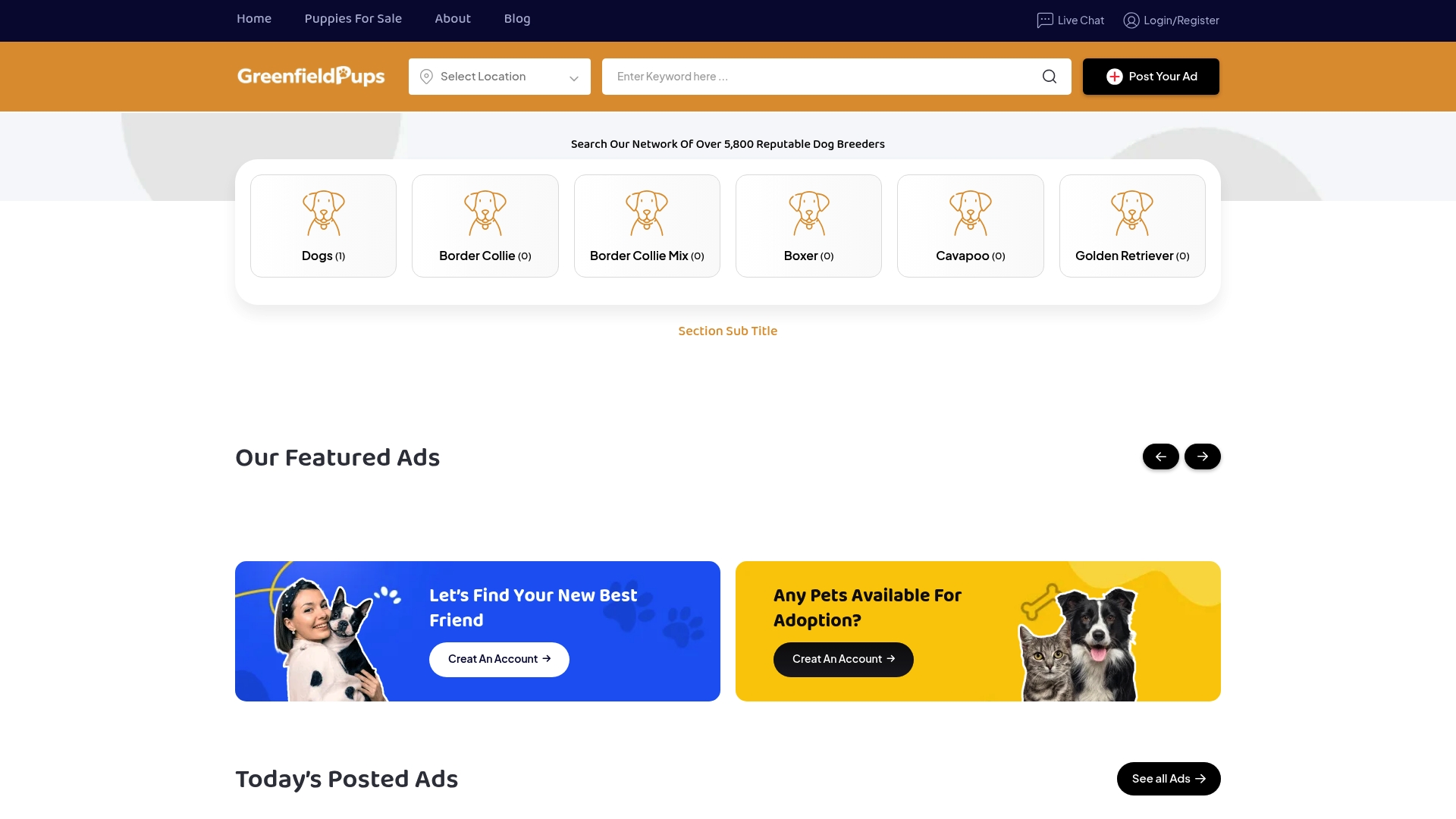
Greenfieldpups makes it straightforward to explore both adoption and responsible purchasing with full transparency about what each path involves. Whether you are ready to adopt a dog now or want to understand the full picture before deciding, the platform provides detailed guides on shelter adoption workflows, breeder ethics, and what separates responsible breeders from commercial operations. If you want to understand what distinguishes ethical breeders from mills before making any decision, the Greenfieldpups guide to types of dog breeders is the clearest breakdown available. Once your dog is home, a dog food checklist from Mindful Botany Market helps you make the best nutritional choices from day one.
FAQ
Why should I adopt instead of buying from a breeder?
Adopting from a shelter saves a life directly and reduces demand for commercial breeding operations. In 2025, over 757,000 US shelter animals faced non-live outcomes due to overcrowding, a number that adoption can directly reduce.
Are shelter dogs healthy and well-behaved?
Most shelter dogs receive health screenings and behavioral assessments before being listed for adoption. Reputable shelters provide full health records and temperament profiles, and foster caregivers can offer detailed behavioral insights from real home environments.
Can I find a specific breed at a shelter?
Yes. Breed-specific rescue organizations exist for nearly every popular breed, from Golden Retrievers to French Bulldogs. These groups place purebred dogs ethically and often operate through foster networks rather than physical shelter facilities.
How much does it cost to adopt a dog?
Adoption fees are typically lower than purchase prices and include vaccinations, spaying or neutering, and microchipping. Buying a dog from a breeder means paying for each of those services separately after the initial purchase price.
What is the most important factor in a successful adoption?
Adopter readiness is the single biggest predictor of adoption success. Families who surrender pets most often lacked realistic preparation for the time, financial, and lifestyle demands of dog ownership before they adopted.
Leave a Comment