

Understanding Dog Rehoming: A Complete Guide for Owners
Rehoming a dog is one of the most misunderstood decisions a pet owner can make. Many people assume it signals neglect or indifference, but that couldn’t be further from the truth. In reality, choosing to find your dog a better-suited home is often the most responsible, loving act available to you. This guide walks you through exactly what rehoming means, why it happens, how to do it right, and how to manage the emotions that come with it, so both you and your dog can move forward with confidence and care.
Table of Contents
- What does it mean to rehome a dog?
- Why do people need to rehome their dogs?
- How does responsible rehoming work?
- Emotional and practical impacts of rehoming
- Why responsible rehoming benefits everyone
- Find support for rehoming and adoption
- Frequently asked questions
Key Takeaways
| Point | Details |
|---|---|
| Rehoming defined | Rehoming means responsibly finding a new home for a dog when you can no longer provide proper care. |
| Honesty is key | Being transparent about your dog’s needs helps ensure a successful rehoming process. |
| Emotions are normal | Feeling guilt or sadness is common, but prioritizing your dog’s welfare is an act of love. |
| Steps to success | Follow proven steps—prepare, communicate, and screen—to make rehoming safer for all. |
What does it mean to rehome a dog?
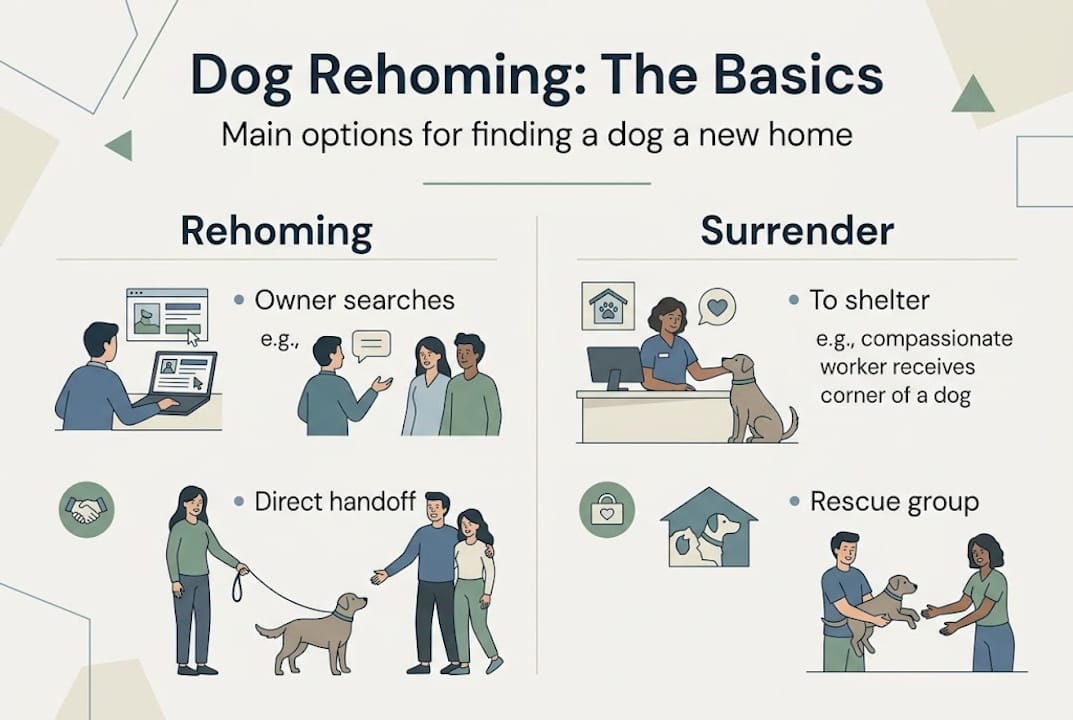
Rehoming is not the same as abandonment, and it’s not the same as surrender. These three terms get used interchangeably far too often, and that confusion creates unnecessary shame for owners who are genuinely trying to do the right thing.
Rehoming refers to the process of finding a new, suitable home for a dog when the relinquishing owner can no longer provide proper care. It is a deliberate, thoughtful transfer of ownership from one responsible party to another. The key word here is deliberate. You are actively participating in your dog’s future rather than walking away from it.
Surrendering, by contrast, typically means transferring your dog to a shelter or rescue organization, where staff then take over the placement process. You give up direct input on where your dog ends up. Abandonment is the worst-case scenario: leaving a dog without care, shelter, or support. Rehoming shares nothing with abandonment except the word “leaving.”
Here’s a quick comparison to make the distinctions clear:
| Action | Who finds the new home | Owner involvement | Dog’s fate |
|---|---|---|---|
| Rehoming | The current owner | High | Known and chosen |
| Surrendering | Shelter or rescue | Low | Uncertain |
| Abandonment | Nobody | None | Unknown and dangerous |
There are also important legal considerations to keep in mind. In most U.S. states, dogs are considered personal property, which means transferring ownership should be documented. A simple written agreement between you and the new owner, covering the dog’s medical history and ownership transfer, protects both parties. Some jurisdictions also have laws governing rehoming fees, so it’s worth checking your local regulations before setting a price.
The stigma around rehoming runs deep in dog-loving communities. Many owners fear judgment from friends, family, or even strangers online. But as you can read on the dog care blog, thoughtful rehoming is increasingly recognized as a compassionate and ethical choice when it’s done with care.
“Choosing to rehome your dog when you can no longer provide what it needs is not a failure. It is an act of love that puts your dog’s needs ahead of your own feelings.”
The emotional weight of this decision is real. Owners often cycle through guilt, grief, and relief, sometimes all in the same afternoon. Acknowledging that weight while staying focused on your dog’s best interest is the foundation of responsible rehoming.
Why do people need to rehome their dogs?
Life changes. And sometimes those changes affect your ability to give a dog what it truly needs. Many life changes, such as moving, allergies, or financial hardship, can lead to the need for dog rehoming. Understanding the most common reasons helps remove the stigma and makes it easier to be honest during the adoption process.
Here are the most frequently cited reasons owners choose to rehome:
- Allergies: A family member develops a severe allergic reaction to the dog, making coexistence medically unsafe.
- Moving: A new home, city, or country doesn’t allow pets, or the living space is simply not suitable for the dog’s size or energy level.
- Financial hardship: Veterinary costs, food, and grooming become unmanageable during economic difficulty.
- Behavior issues: The dog displays aggression, severe anxiety, or other behaviors the current owner lacks the resources or expertise to manage.
- New baby or family changes: A new child arrives and the dog’s temperament isn’t compatible with an infant’s safety.
- Owner illness: A chronic condition or sudden medical emergency prevents the owner from providing daily care.
- Divorce or separation: Household restructuring leaves one person unable to care for a shared pet.
| Reason | How common | Can it be resolved? |
|---|---|---|
| Allergies | Very common | Rarely |
| Moving restrictions | Common | Sometimes |
| Financial hardship | Common | Sometimes |
| Behavior issues | Moderate | Often, with training |
| Owner illness | Less common | Rarely |
| Family changes | Moderate | Depends on situation |
One of the most important things you can do during rehoming is be honest about why you’re giving up your dog. A new owner who knows upfront that a dog has separation anxiety can prepare accordingly, from introducing the dog to a new home gradually to investing in behavioral support. If you hide the truth, the placement is far more likely to fail, and your dog ends up going through the trauma of multiple transitions.
You can find real adoption stories that show how honest communication between rehoming parties leads to better outcomes for everyone involved.
Pro Tip: Write a detailed “dog resume” for your pet. Include their daily routine, favorite toys, quirks, feeding schedule, and known triggers. This document helps potential adopters see your dog as an individual and makes the transition significantly smoother.
Even unforeseen emergencies, like a sudden job loss, a natural disaster, or a health crisis, can force loving owners into impossible situations. These circumstances don’t make someone a bad dog owner. They make someone human. Acknowledging the full range of reasons for rehoming is the first step toward treating it as the responsible option it often is.
How does responsible rehoming work?
Knowing the reasons and emotional weight behind rehoming, let’s focus on how to do it responsibly to ensure your dog’s safety and happiness. This is where intention becomes action, and where the difference between a good outcome and a poor one is made.
Step 1: Assess your dog’s needs honestly.
Before you post a single listing, sit down and write out everything a new owner would need to know. Does your dog have health conditions requiring medication? Are they good with kids but not cats? Do they need a yard, or are they fine in an apartment? Honesty here isn’t just ethical. It’s practical. The right match depends on accurate information.
Step 2: Gather all medical records.
Vaccination history, spay or neuter status, microchip details, and any specialist visits should be compiled into one easy-to-share document. A responsible adopter will want this information, and providing it proactively signals that you’ve been a caring owner.
Step 3: Create an honest and compelling listing.
Connecting with reputable platforms and being honest about your dog’s needs is essential for a positive rehoming outcome. A strong listing includes recent photos in natural lighting, a description of your dog’s personality (both strengths and challenges), their daily routine, and what kind of home would suit them best.
Step 4: Screen applicants carefully.
Not every interested party is the right fit. Ask questions like: Do you have experience with this breed? What is your living situation? Do you have other pets or children? How much time do you spend at home each day? You are not being difficult by asking these questions. You are being a good advocate for your dog.
Step 5: Check references.
Ask for a personal reference or a reference from a veterinarian if the applicant has owned pets before. This step is skipped far too often, but it provides real insight into whether someone is a responsible pet owner.
Step 6: Arrange an in-person meeting.
Never finalize a rehoming without meeting the potential new owner face-to-face, preferably with your dog present. Watch how the person interacts with your dog. Does the dog seem comfortable? Does the person seem patient and engaged? Trust your instincts here.
Step 7: Conduct a home visit if possible.
Visiting the new home before finalizing the transfer gives you a clear picture of the environment your dog will live in. Look for secure fencing, safe spaces, and signs of how a household is run.
Pro Tip: Consider including a two-week “trial period” clause in your rehoming agreement. This gives the new owner time to assess the fit without pressure, and it protects your dog if the arrangement isn’t working out.
What to avoid during the rehoming process:
- Rushing the decision because you feel guilty about the timeline
- Accepting the first applicant who shows interest without screening
- Withholding information about medical or behavioral issues
- Skipping documentation of the ownership transfer
You can browse dog rehoming listings and rehoming advice articles to get a sense of how experienced rehomers present their dogs. If you’re based in the mid-Atlantic region, you can even explore available dogs in Pennsylvania to understand what thorough, honest listings look like in practice.
Emotional and practical impacts of rehoming
While understanding the logistics is important, the emotional journey of rehoming can be just as challenging for all involved. Owners, children in the household, and the dog itself each experience this transition differently, and all of those experiences are valid.
For owners, the most common emotions include:
- Guilt: “Am I doing the right thing? Could I have tried harder?”
- Relief: Knowing your dog will be better cared for than you can manage right now.
- Grief: Mourning the relationship, the routine, and the companionship.
- Hope: Trusting that your dog’s next chapter will be a good one.
As noted on the dog care blog, letting go can be difficult, but prioritizing the dog’s well-being is often the kindest choice. That framing matters. It shifts the focus from what you’re losing to what your dog is gaining.
“Rehoming your dog isn’t giving up on them. It’s giving them a second chance at the life they deserve.”
For children in the household, rehoming can be particularly confusing. Kids form strong emotional bonds with pets and may not understand why the dog has to leave. Be age-appropriately honest with them. Avoid saying the dog “went to a farm.” Instead, explain that you found a wonderful new family who has more time and space for the dog to be happy. Let children participate in writing a goodbye note or creating a small photo album to keep. This gives them closure.
For the dog, transitions require time and patience. Signs of stress in a newly rehomed dog include:
- Refusing food for the first day or two
- Hiding or avoiding interaction
- Excessive panting or whining
- House training regression
These behaviors are normal and usually temporary. A new owner who understands them won’t panic. They’ll give the dog space, maintain a consistent routine, and build trust gradually. Sending your dog’s favorite blanket, toy, or bed with them can provide enormous comfort during the adjustment period. The familiar scent of home helps more than most people realize.
If you’re struggling emotionally after rehoming, please don’t ignore those feelings. Talking to a counselor, joining a pet loss support group, or simply journaling your thoughts can help you process the grief without letting it consume you.
Why responsible rehoming benefits everyone
We’ve talked a lot about the challenges of rehoming, but here’s the perspective that often gets lost in the conversation: responsible rehoming is genuinely good for the entire ecosystem of dog ownership and animal welfare.
When owners feel empowered to rehome responsibly rather than driven to abandon out of shame, dogs get placed in homes that actually suit them. A dog with high energy placed with an active single person will thrive in ways it never could in an apartment with a busy family of five. That’s not a failure. That’s a win.
Normalizing rehoming also reduces the load on shelters, which are chronically overcrowded. A private rehoming keeps one more dog out of the shelter system and puts it directly into a vetted home. That benefits the dog, the new owner, and the shelter simultaneously.
At Greenfield Pups, we’ve seen firsthand how a well-handled rehoming leads to outcomes that everyone involved can feel good about. The key is preparation, honesty, and patience. When those three things are present, the transition becomes an act of care rather than a source of regret. If you want to explore more dog care insights on topics like training, health, and adoption, the resources are there to support you every step of the way.
The uncomfortable truth is that keeping a dog in a home where its needs can’t be met is often more harmful than finding it a better match. Choosing your dog’s happiness over your own comfort is the highest form of responsible ownership.
Find support for rehoming and adoption
If you’re ready to take the next step, whether you’re rehoming a dog or opening your home to a new companion, practical support makes all the difference.
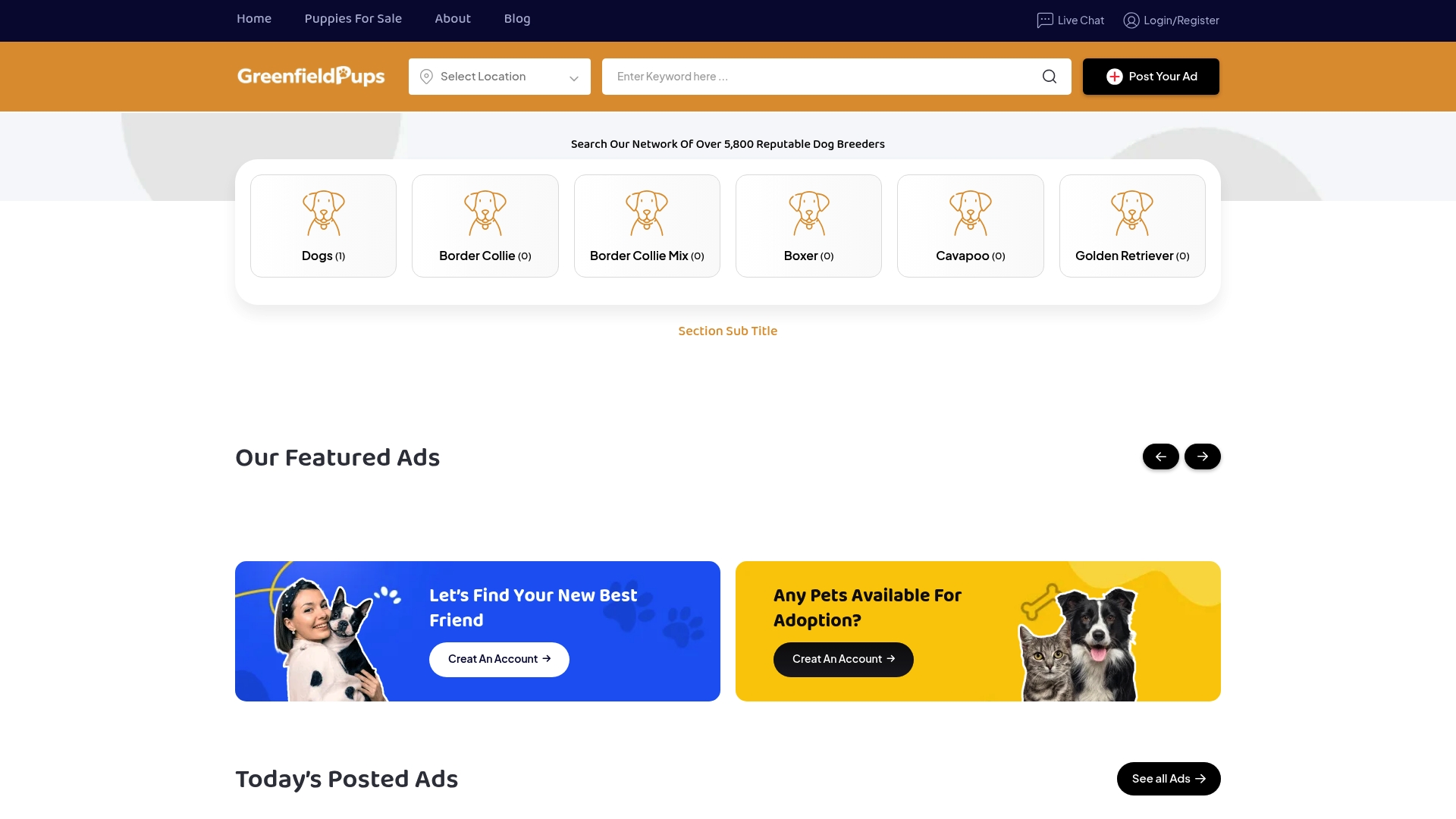
At Greenfield Pups, you can browse dog adoption listings from owners across the United States who are looking for responsible, loving homes. Every listing is built around transparency and care. You can also visit the Greenfield Pups homepage to learn more about how the platform connects dogs with the right families. And if you’re preparing to welcome a new dog into your home, the pet care supplies section has everything you need to make your new companion feel at home from day one. The right tools and the right community make every transition easier.
Frequently asked questions
Is rehoming a dog the same as surrendering it to a shelter?
No, rehoming means finding a private new home for your dog, while surrendering usually means giving your dog to a shelter where staff control the placement process.
What should I do before rehoming my dog?
Gather all medical records, write an honest description of your dog’s personality and needs, and screen potential adopters carefully before making any decisions.
Can rehoming cause emotional distress for a dog?
Yes, dogs may show signs of stress during the transition, but a thoughtful handover with familiar items and a consistent new routine helps them adjust much more smoothly.
How can I ensure my dog goes to a good home?
Screen all applicants thoroughly, ask for references, and arrange an in-person meeting with your dog present to see how the potential adopter interacts with them before committing.
Leave a Comment