

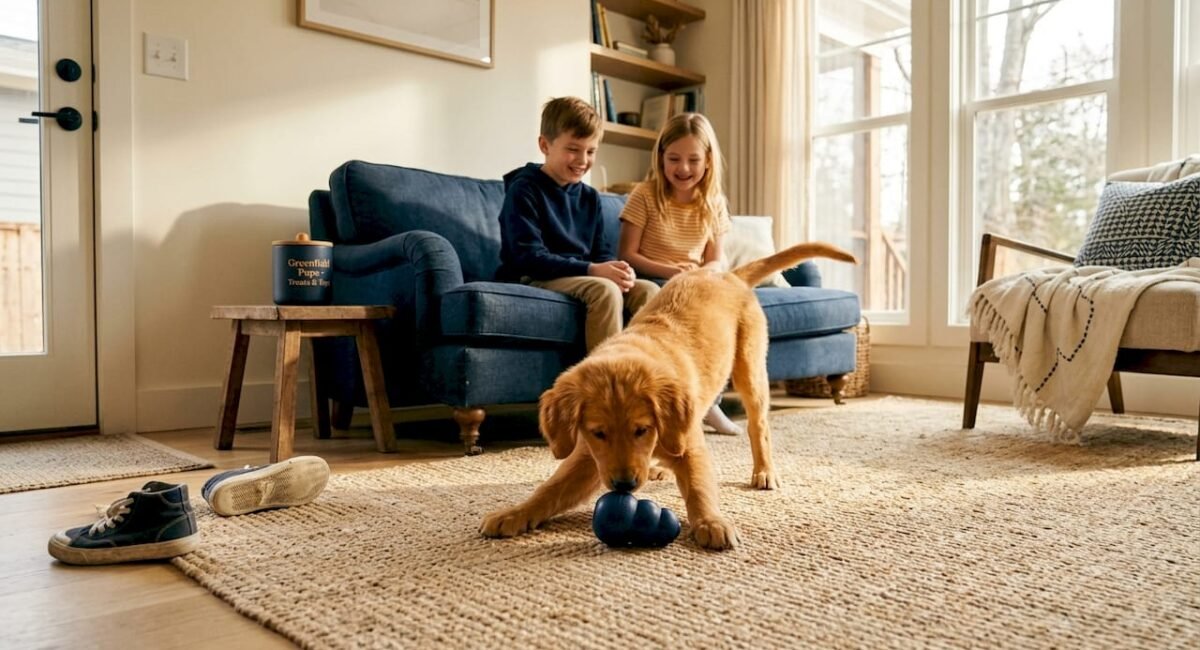
Why Socialize Puppies: Raise a Confident, Happy Dog
Bringing home a new puppy is exciting, but one of the most important decisions you’ll make in those early weeks has nothing to do with food, toys, or crate size. Socializing puppies during the critical window of 3 to 16 weeks prevents fear, aggression, and behavioral problems that too often lead to shelter relinquishment or worse. Most new owners assume there’s plenty of time to introduce their puppy to the world, but waiting even a few weeks too long can shape a dog’s personality in ways that are very difficult to reverse. This guide breaks down why, when, and how to socialize your puppy for the best possible outcome.
Table of Contents
- Why puppy socialization matters: The science and stakes
- When to begin: Timing and phases of puppy socialization
- How to socialize your puppy safely: Methods and environments
- Reading your puppy: Signs of overwhelm and ensuring positive outcomes
- What most new owners get wrong about puppy socialization
- Connect with expert guidance for a thriving puppy
- Frequently asked questions
Key Takeaways
| Point | Details |
|---|---|
| Early action is vital | The first 3-16 weeks are the most important for shaping a lifelong companion. |
| Quality over quantity | Controlled, positive exposures are more effective than overwhelming your puppy with too much too soon. |
| Read stress signals | Pay close attention to subtle signs of discomfort and let your puppy set the pace. |
| Safe environments first | Begin socialization at home or in low-risk settings before introducing your puppy to public areas. |
Why puppy socialization matters: The science and stakes
Socialization is not just letting your puppy meet strangers. It is a structured process of controlled, positive exposures to new people, animals, sounds, surfaces, and environments during the period when a dog’s brain is most open to learning what is safe and normal. Think of it as programming a young mind before the window closes.
The developmental science here is clear and worth understanding. Puppies experience a critical developmental window between 3 and 16 weeks of age when new experiences create lasting impressions. After this period, the brain becomes more cautious by default. A dog that never encountered a skateboard, a child’s laughter, or a vacuum cleaner during those weeks is far more likely to react with fear or aggression as an adult when those things appear.
The stakes are genuinely serious. Fear-based behaviors are among the top reasons dogs end up in shelters. Poor socialization can result in biting, destructive behavior, or chronic anxiety that makes daily life difficult for both the dog and the family. Experts now talk about a “behavior vaccine” concept, meaning that the risk of skipping early socialization actually exceeds the risk of controlled disease exposure during the vaccination period. A dog euthanized for behavioral reasons is a tragedy that early socialization could have prevented in many cases.
“The risks of behavioral euthanasia far exceed the controlled disease risks of early, safe socialization. Waiting is not the safe choice.”
Here is a quick look at how poor versus good socialization plays out:
| Factor | Poor socialization | Good socialization |
|---|---|---|
| Reaction to strangers | Fear, growling, biting | Curiosity, calm greeting |
| Response to loud sounds | Panic, hiding, destructive | Mild interest, recovery |
| Behavior around other dogs | Aggression or extreme fear | Playful, appropriate |
| Long-term outcome | Higher risk of rehoming | Stable, confident companion |
Key consequences of missing early socialization include:
- Increased likelihood of fear-based aggression toward people or animals
- Difficulty adjusting to veterinary visits, grooming, and car rides
- Chronic anxiety that is expensive and time-consuming to treat
- Higher chance of dog rehoming or surrender to shelters
- Reduced quality of life for both dog and owner
Understanding puppy behavior management from the very start puts you in a far stronger position than trying to correct problems after the critical window has closed.
When to begin: Timing and phases of puppy socialization
Timing is everything here. Most puppies arrive in their new homes between 8 and 10 weeks of age, which lands squarely inside the most important socialization window. The good news is that you have time to act. The bad news is that the window is shorter than most people expect.
Here is how the key developmental phases break down:
| Phase | Age range | What it means for you |
|---|---|---|
| Critical socialization | 3 to 16 weeks | Greatest learning plasticity; exposures create lasting impressions |
| Juvenile | 4 to 6 months | Learning continues but new things trigger more caution |
| Adolescent | 6 to 18 months | Fear responses can resurface; consistency is essential |
Three essential timing milestones every new owner should know:
-
Before 8 weeks: The breeder carries most of the socialization responsibility. This is why finding reputable breeders matters so much. A good breeder exposes puppies to household sounds, different surfaces, and gentle human handling before they ever leave the litter.
-
8 to 12 weeks: This is your prime window. Start exposures at home immediately. Introduce different sounds at low volume, let your puppy walk on carpet, tile, grass, and gravel. Invite calm, vaccinated friends and family members over. Every positive experience during this stretch builds permanent confidence.
-
12 to 16 weeks: Continue socializing with intention. Enroll in a reputable puppy class if your pup has had initial vaccinations. Your veterinarian’s adoption guidance is invaluable here for knowing exactly which exposures are safe given your puppy’s vaccine status.
Research shows that early socialization during the critical period creates lasting behavioral resilience that simply cannot be replicated later. Puppies that miss this window are not hopeless, but they will require significantly more work, patience, and often professional help to overcome their fears.
Getting puppy training started from week one is far easier than correcting entrenched fear responses at six months. Similarly, following a structured obedience approach alongside socialization gives young dogs a solid behavioral foundation to grow from.
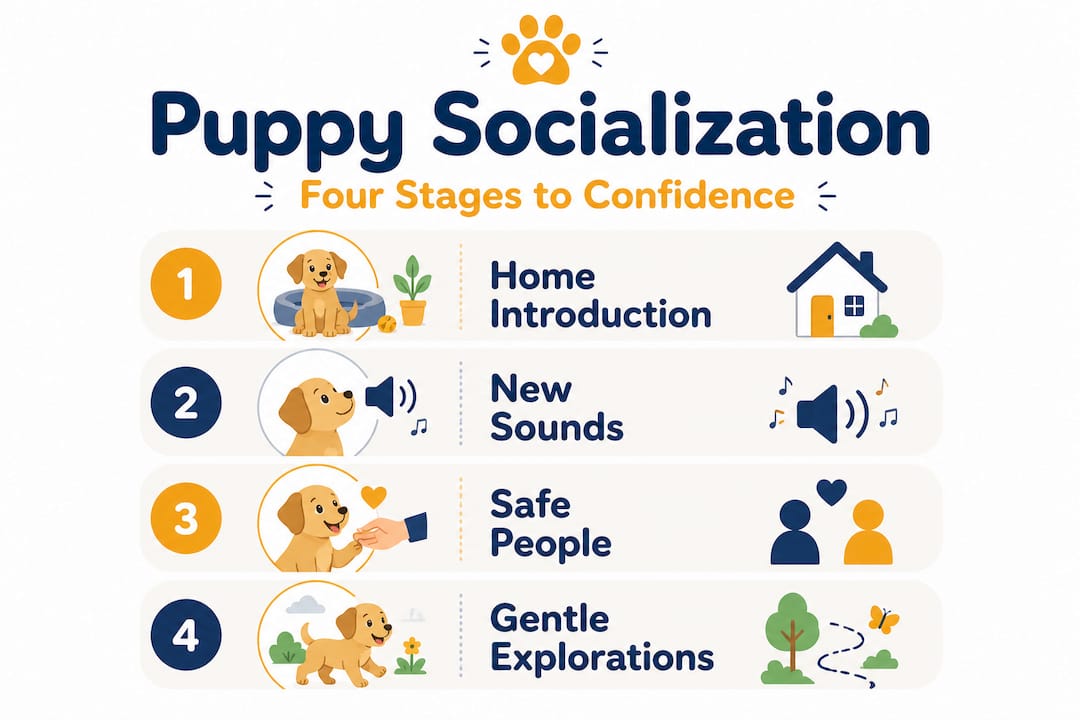
Pro Tip: Before your first outdoor excursion, spend two or three days running a “home introduction workshop.” Play recordings of thunder, traffic, and city sounds at low volume while your puppy eats. This desensitizes them to common triggers before the real world introduces them at full volume and without warning.
How to socialize your puppy safely: Methods and environments
Safe socialization is not reckless socialization. A lot of new owners hear “socialize early” and immediately take their partially vaccinated puppy to the dog park. That is one of the most dangerous mistakes you can make. Dog parks are unpredictable, uncontrolled environments with unknown vaccination histories. Your puppy can pick up parvovirus, distemper, or worse from contaminated ground before they are fully protected.
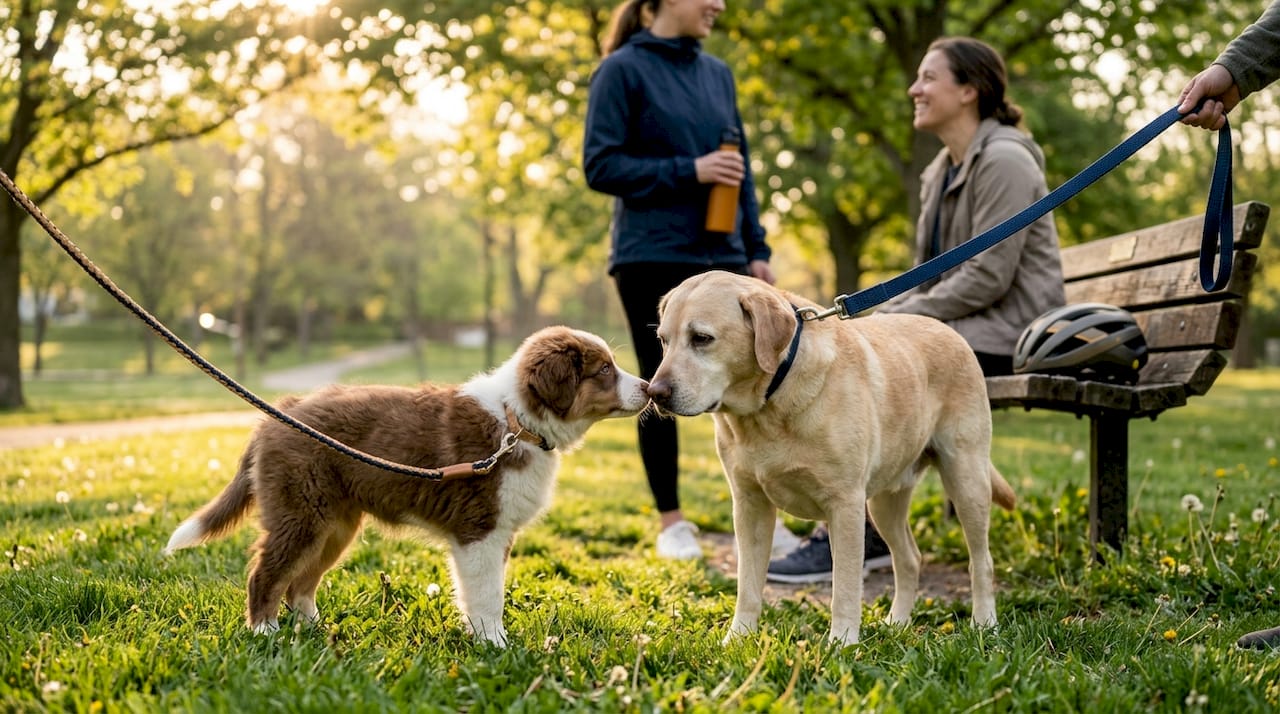
The AVMA’s socialization guidelines are clear: avoid high-risk areas like dog parks and pet store floors until your puppy is fully vaccinated at around 16 weeks. Your home and yard are the safest early environments, and they offer more variety than you might think.
What safe early exposures actually look like:
- Sounds: Vacuum cleaners, hair dryers, washing machines, doorbells, thunder recordings, car engines, children playing. Start low, go slow.
- Surfaces: Hardwood, tile, carpet, grass, gravel, mud, stairs, and even metal grates if your pup will encounter them.
- Objects: Umbrellas opening, bicycles, strollers, hats, sunglasses, and crutches. Adult dogs that have never seen a person with a cane often react with alarm.
- People: Invite friends and family who are calm, healthy, and vaccinated. Vary ages, appearances, and clothing styles where you can.
- Animals: Healthy, vaccinated dogs owned by people you trust. Cats if you have them. Well-controlled interactions only.
When you do enroll in a puppy class, choose one that requires vaccines and health checks for every attending dog. A well-run puppy class is one of the most valuable investments you will make because it combines socialization with structured training in a controlled environment.
Understanding puppy social cues before attending classes helps you interpret your dog’s communication and respond appropriately rather than accidentally reinforcing fearful behavior.
Work with responsible breeders who begin the socialization process early, and continue to expand your knowledge through a solid puppy care resource as your dog grows.
Pro Tip: Keep every socialization session short, positive, and end on a success. Five minutes of confident exploration beats 30 minutes of stressed sniffing. If your puppy handles something well, reward them warmly and finish the session there. Leave them wanting more, not craving an exit.
Reading your puppy: Signs of overwhelm and ensuring positive outcomes
Here is where many well-meaning owners go wrong. They see socialization as a checklist rather than a conversation. Your puppy is constantly communicating how they feel, and learning to read those signals is just as important as creating the exposures themselves.
Positive reinforcement consistently produces fewer behavioral issues, but only when the puppy’s pace sets the tempo. Push too hard, ignore stress signals, and you can actually create negative associations with the very things you are trying to normalize.
Eight stress signals to watch for during socialization:
- Yawning when not tired, often a very early sign of discomfort
- Lip licking without food present
- Cowering or making the body small
- Sudden stillness or “freezing” in place
- Excessive panting that is not heat-related
- Retreating and trying to get behind your legs
- Growling or low vocalizations, which are warnings, not bad behavior
- Hiding under furniture, in corners, or behind objects
Knowing these puppy behavioral red flags lets you step in before a situation escalates. When you see two or more of these signals, the session needs to slow down or stop entirely.
“A puppy that is shutting down or hiding is not being difficult. That puppy is telling you they have reached their limit. The best training move you can make is to listen.”
How to adjust when you spot stress:
- Create distance from the trigger. Move farther away, lower the volume, or remove the object.
- Give your puppy a moment to recover before reintroducing the stimulus.
- Use high-value treats (small pieces of chicken or cheese) to create positive associations at a comfortable distance.
- End the session on a calm, positive note. Even if progress feels small, a calm ending teaches the puppy that new things resolve safely.
Calming routines between socialization sessions also play a major role in helping puppies process new information and recover their confidence. A well-rested, well-fed puppy always handles new experiences better than an overtired one.
Poor early socialization is one of the leading factors behind the difficult decision of dog rehoming later in life. Taking the time to read your puppy accurately now prevents so much heartbreak down the road.
What most new owners get wrong about puppy socialization
Most articles will tell you to socialize early and often, and leave it there. But in our experience watching thousands of families bring home puppies, the most common mistake is not laziness. It is enthusiasm without calibration.
New owners hear “the window is short” and respond by cramming in as many experiences as possible in the first few weeks. They take a nine-week-old puppy to a busy street, a crowded park, and a pet store all in one afternoon. That puppy comes home exhausted and subtly more nervous than before. It is not socialization. It is overload.
The counterintuitive truth is this: fewer, better experiences create bolder adult dogs. A puppy that meets five calm, friendly people who make good things happen will handle strangers more confidently as an adult than a puppy that met 50 people in chaotic, rushed encounters. Quality shapes personality. Quantity without quality just builds tolerance for stress.
Owners also frequently miss the subtle middle-ground signals. A dog that is quiet and still during a new experience is not always calm. Sometimes that stillness is shutdown, which means the dog is overwhelmed but has run out of space to retreat. Learning the difference requires slowing down, observing, and trusting what you see rather than what you hope is happening.
The owners whose dogs turn out most confident are almost always the ones who treated socialization like a slow, deliberate practice rather than a race to a finish line. They followed the lead of their veterinarian’s guidance, asked questions, adjusted their approach, and celebrated small wins. Their dogs grew into adults who could handle the chaos of daily life because they were never pushed past their threshold in the first place.
Connect with expert guidance for a thriving puppy
Raising a confident, happy dog starts with the right foundation, and that means working with people who genuinely care about the animals they place. Whether you are still searching for your perfect puppy or looking to deepen your knowledge as a new owner, having trustworthy resources on your side makes all the difference.

Greenfield Pups connects you with breeders who prioritize early socialization, health screening, and responsible puppy raising from day one. Use our reputable breeder guide to understand exactly what to look for before committing, and explore our responsible breeder tips to ask the right questions. When you’re ready to take the next step, browse available puppies and adoption resources across the U.S. and find the companion you’ve been looking for with confidence.
Frequently asked questions
Can I socialize my puppy before all vaccinations are complete?
Yes, early socialization in controlled environments is strongly recommended even before vaccines are complete. The AVMA guidelines advise avoiding high-risk areas like dog parks until full vaccination, while using your home and yard safely in the meantime.
What are the first signs my puppy is overwhelmed during socialization?
Watch for yawning when not tired, lip licking, hiding, or attempts to escape the situation, as these are early stress indicators that signal your puppy needs more space or a break.
Is positive reinforcement really better than punishment during socialization?
Absolutely. Positive reinforcement consistently produces fewer behavioral issues and builds genuine confidence, while punishment during socialization often increases fear and makes the problem worse.
How much time should I spend socializing my puppy each day?
Two to three short sessions of five to ten minutes each is far more effective than one long, exhausting outing. Your puppy learns best when they are calm, engaged, and not pushed past their comfort threshold.
Recommended
- How Veterinarians Guide a Healthy Dog Adoption Journey – greenfield
- Top tips for choosing a responsible dog breeder – greenfield
- Understanding Dog Rehoming: A Complete Guide for Owners – greenfield
- How to Find Reputable Breeders: A Step-by-Step Guide – greenfield
- Dog Socialization Importance: Complete Guide for Owners
- Understanding puppy social cues: 5 keys to calm behaviour
Leave a Comment