


Types of dog breeders: What every pet buyer should know
Finding a puppy should be exciting, not stressful. Yet many buyers walk into the process without realizing how much the breeder’s type and practices can shape their dog’s health, temperament, and long-term well-being. The landscape of dog breeders in the United States ranges from dedicated, award-recognized professionals to large-scale commercial operations where animal welfare takes a back seat to profit. Understanding who is who before you sign a contract or hand over a deposit can save you thousands of dollars in vet bills and years of heartbreak. This guide breaks down each major breeder type clearly and practically.
Table of Contents
- Criteria for evaluating dog breeders
- Responsible and reputable breeders
- Hobby breeders: Passion-driven but less formal
- Backyard breeders and puppy mills: Risks and realities
- Licensed and commercial breeders: Regulation and compliance
- What most pet buyers miss about breeder types
- Next steps: Connecting with the right breeder
- Frequently asked questions
Key Takeaways
| Point | Details |
|---|---|
| Responsible breeders stand out | They use health testing, ethical contracts, and breed improvement to ensure quality dogs. |
| Puppy mills pose real risks | Large-scale operations often lack welfare standards, producing unhealthy puppies. |
| Licensing matters | USDA and state regulations protect buyers, so verify licenses and credentials. |
| Ask the right questions | Request health records, meet parents, and demand clear contracts when choosing a breeder. |
| Hobby breeders vary | Some offer high standards, others lack regulation—evaluate each carefully before buying. |
Criteria for evaluating dog breeders
Before you categorize any breeder, you need a solid checklist of what separates a trustworthy source from a risky one. The criteria below apply across all breeder types and give you an objective lens to evaluate anyone selling puppies.
Here are the key markers to look for:
- Genetic and health screening: Does the breeder test their breeding stock for heritable conditions common to the breed, such as hip dysplasia, progressive retinal atrophy, or hereditary deafness?
- Written contract with a return clause: Responsible breeders include contracts that require buyers to return the dog to the breeder rather than surrendering it to a shelter.
- Buyer screening: A reputable source will ask you questions too. If a breeder seems eager to sell to anyone who shows up with cash, that is a warning sign.
- Lifelong support: The best breeders stay in contact after the sale, answer questions, and genuinely care about where their puppies end up.
- Facility access: Can you visit in person and meet at least one of the puppy’s parents?
- Regulatory compliance: Are they licensed where required by state or federal law?
Responsible breeders perform genetic and health screenings on breeding stock, provide contracts with return clauses, screen buyers, and offer lifelong support. That is a high bar, but it is the standard worth holding every seller accountable to.
Pro Tip: When you are in the early research phase, resources like finding reputable breeders and tips for choosing a responsible breeder can help you build your checklist before you ever contact a seller.
With those criteria in mind, let’s break down the main types of dog breeders you will encounter.
Responsible and reputable breeders
Not all breeders operate at the same standard, and here is what sets responsible breeders apart from the rest of the field.
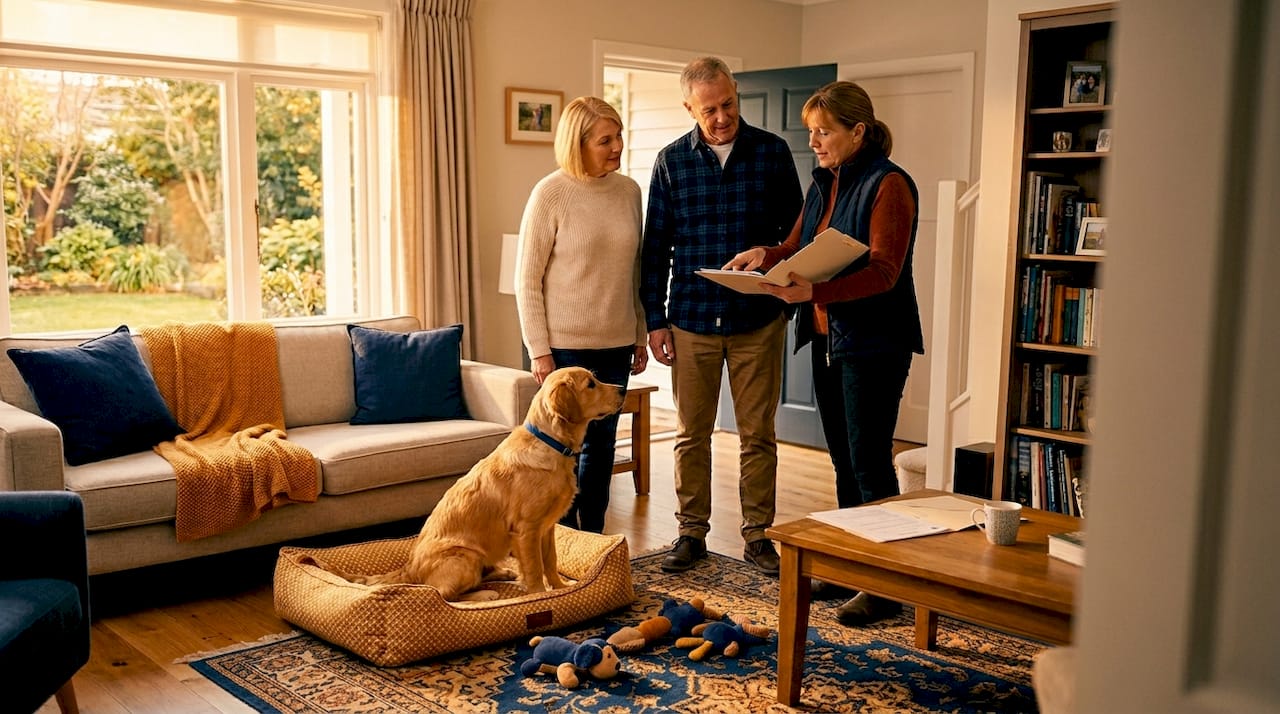
Responsible breeders prioritize breed improvement, health testing, and ethical practices above all else. They are not breeding dogs primarily to make money. They are breeding to produce healthier, better-tempered animals that honor the breed’s original traits and purpose. This distinction matters enormously when you are evaluating a source.
What separates responsible breeders from the crowd:
- They show or work their dogs in competitive venues to prove the dogs meet breed standards
- They maintain detailed health records and share them openly with buyers
- They are members of breed-specific clubs or national organizations like the American Kennel Club
- They breed selectively, often with waiting lists rather than puppies always available
- They price puppies to reflect the genuine costs of ethical breeding, not to maximize profit margins
The AKC Breeder of Merit program recognizes breeders who meet standards like completing health tests, earning titles on their dogs, and registering 100% of their puppies. Achieving that recognition takes real effort and ongoing commitment, which is why it is a reliable signal of quality.
“The goal of responsible breeding is to produce puppies that are healthy, have good temperaments, and are true representatives of their breed.” This philosophy distinguishes breeders who care from those who simply sell.
When you work with a responsible breeder, you are not just buying a puppy. You are entering a relationship with someone who has deeply invested in that animal’s lineage. Understanding what licensed breeders explained in terms of credentials and compliance can help you verify claims before committing. And if things ever do not work out, a responsible breeder’s return clause removes the risk of a dog ending up in a shelter, which is something covered extensively in a dog rehoming guide.
Hobby breeders: Passion-driven but less formal
While responsible breeders follow strict guidelines, hobby breeders present a nuanced alternative that many buyers overlook or misunderstand entirely.
Hobby breeders produce occasional litters, typically one to two per year, and focus heavily on the health and temperament of each individual puppy. They may not have the show titles or formal credentials of a reputable professional breeder, but many hobby breeders care deeply about their dogs and maintain solid standards.
What to expect from a hobby breeder:
- Smaller operations, often with just one or two breeds
- Puppies raised inside the home, well-socialized with family members
- Health testing on parents, though potentially fewer panels than professional breeders run
- Less experience navigating difficult whelping situations or rare genetic conditions
- Fewer resources if a puppy develops a problem after the sale
The critical difference between a genuine hobby breeder and a backyard breeder is intentionality. Hobby breeders make deliberate decisions about which dogs to pair, when to breed, and where each puppy goes. Backyard breeders typically breed because they have two dogs of the same breed at home, they want their kids to experience puppies, or they see easy money in selling a litter.
Pro Tip: Before buying from a hobby breeder, ask how many litters they have produced, what health tests they run, and whether they have a mentor in the breed community. A good hobby breeder will have answers and will appreciate the questions. You can also check out this veterinarian adoption guidance to understand what health benchmarks your vet would expect from any reputable source.
If you are a hobby breeder trying to reach serious buyers, a clear and professional dog breeder listing guide can help you communicate your practices and differentiate yourself from less careful sellers.
Backyard breeders and puppy mills: Risks and realities
Recognizing the risks of casual breeding and large-scale commercial operations can genuinely protect you and help you make better decisions for your family.
Backyard breeders are not necessarily cruel people. Many genuinely love their dogs. But backyard breeders breed casually at home without health testing, proper socialization, or buyer contracts, often for supplemental income or accidentally. Without health screening, puppies from these sources carry a much higher risk of genetic disease. Without contracts, buyers have no recourse if problems arise.
Puppy mills are a different issue entirely in terms of scale and intent. Puppy mills are large-scale commercial facilities that prioritize profit over welfare, with inhumane conditions; the Humane Society of the United States estimates there are 10,000 in the US producing approximately 2 million puppies per year.
The 2025 “Horrible Hundred” report, which lists 100 problem puppy mills with documented violations, found five operations in Iowa alone, with Missouri continuing to lead the nation in problematic facilities.
“Behind the cheerful pet store window or the polished online ad, puppy mill dogs are often the product of assembly-line breeding where mother dogs spend their entire lives in cages.”
Here is a quick comparison to ground the risk level:
| Breeder type | Health testing | Socialization | Legal contract | Buyer screening |
|---|---|---|---|---|
| Responsible breeder | Extensive | Yes, structured | Yes | Yes, thorough |
| Hobby breeder | Moderate | Often yes | Sometimes | Sometimes |
| Backyard breeder | Rare | Minimal | Rarely | No |
| Puppy mill | None | None | No | No |
The risks from backyard breeders and puppy mills go beyond individual puppies. They contribute to shelter overcrowding, breed-specific health crises, and a culture where dogs are treated as products. Learn more at the Greenfield Pups blog about how responsible sourcing connects to broader dog welfare. You can also explore puppy mill awareness resources to better understand what buyers can do to avoid these sources.
Licensed and commercial breeders: Regulation and compliance
Regulation can protect buyers from poor sources, and here is how licensing works and why it matters when you are evaluating any breeder.
The United States Department of Agriculture (USDA) licenses dog breeders and dealers under two categories:
- Class A: Breeders who raise and sell puppies they have bred themselves
- Class B: Dealers who purchase dogs from others and resell them
USDA licensing is required for breeders with more than four breeding females who sell puppies sight-unseen, meaning without the buyer visiting in person. This threshold is important because it is specifically designed to regulate high-volume sellers who operate mostly online or through brokers.
Commercial breeders face stricter state and federal regulations based on the number of litters, breeding females, and annual sales. Breeders operating below those thresholds are generally treated as hobby breeders and are exempt from USDA oversight, though state-level rules vary significantly.
Here is how the regulatory landscape breaks down:
| Category | Federal USDA license | State license | Typical scale |
|---|---|---|---|
| Hobby breeder | Not required | Varies by state | 1 to 2 litters per year |
| Small commercial breeder | May be required | Often required | 3 to 10 litters per year |
| Large commercial breeder | Required | Required | 10+ litters per year |
| Puppy mill | Required (often violated) | Often noncompliant | Industrial scale |
A USDA license is not a guarantee of quality. It is a floor, not a ceiling. Many licensed breeders still fall far short of the standards that responsible breeders hold themselves to voluntarily. However, the absence of a license when one is legally required is a clear red flag. You can explore breeder listing options to find sellers who disclose their compliance and credentials openly. If you are searching for breeders in specific regions, checking state-specific results like Pennsylvania breeders can help you narrow the field.
What most pet buyers miss about breeder types
Here is the uncomfortable truth: most buyers who end up with a puppy from a problematic source did not go looking for one. They found a friendly seller, the puppy was adorable, the price seemed fair, and everything felt right. That feeling is exactly what bad breeders rely on.
Good intentions are not protection. A warm smile and a clean-looking home do not tell you whether a dog has been health-tested or whether the mother is locked in a back room. Even genuinely well-meaning hobby breeders can slip into risky practices when they breed too frequently, skip health panels to save money, or place puppies too early because the wait has become inconvenient.
The buyers who consistently get good outcomes are the ones who slow down and verify. They check for documented health screenings, meet parents in person, read contracts carefully, and are willing to walk away if something does not line up. That last part is the hardest. When you are emotionally attached to a puppy you have already named in your head, walking away feels impossible. But the buyers who push through that discomfort are the ones who avoid years of expensive, heartbreaking outcomes.
One more thing worth saying: a breeder who gets defensive when you ask questions is telling you something important. A confident, ethical breeder welcomes scrutiny because their practices can withstand it. Use resources like this step-by-step breeder guide to build your confidence as a buyer so you know what questions to ask and how to interpret the answers you receive.
Next steps: Connecting with the right breeder
Now that you understand the full spectrum of breeder types, what each one looks like in practice, and what questions separate good sources from risky ones, the next step is putting that knowledge to work for your actual search.
Greenfield Pups exists to make that search easier and more transparent. Whether you are a first-time puppy buyer trying to navigate your first purchase or an experienced dog owner adding a second pet to your household, the platform connects you with sellers who are willing to answer your questions and stand behind their animals. Start with practical tools like top breeder tips to sharpen your evaluation skills, then use the find reputable breeders guide to structure your search from start to finish. Breeders looking to attract informed, serious buyers can also benefit from the breeder listing guide to present their practices clearly and build trust with potential buyers before the first conversation.
Frequently asked questions
What makes a breeder ‘responsible’?
Responsible breeders perform genetic and health screenings, provide written contracts with return clauses, screen potential buyers, and offer ongoing support after the sale.
How can buyers identify puppy mills?
Look for sellers who cannot show health records, refuse facility visits, always have puppies available in multiple breeds, and push for quick sales. Puppy mills produce roughly 2 million puppies per year in the US under conditions that prioritize volume over animal welfare.
Are hobby breeders reliable?
Some are, some are not. Hobby breeders who test for health and temperament and breed only one to two litters per year can be excellent sources, but buyers should verify practices carefully rather than assume passion equals professionalism.
What is a USDA-licensed dog breeder?
A USDA-licensed breeder is registered with the federal government and subject to facility inspections and minimum welfare standards. USDA licensing is required for breeders with more than four breeding females who sell dogs without in-person buyer visits.
What should buyers ask when visiting a breeder?
Ask to see health test results for both parents, review the purchase contract in detail, meet the mother dog in person, and tour the area where the puppies are raised. Responsible breeders expect these questions and will answer them readily.
Leave a Comment