

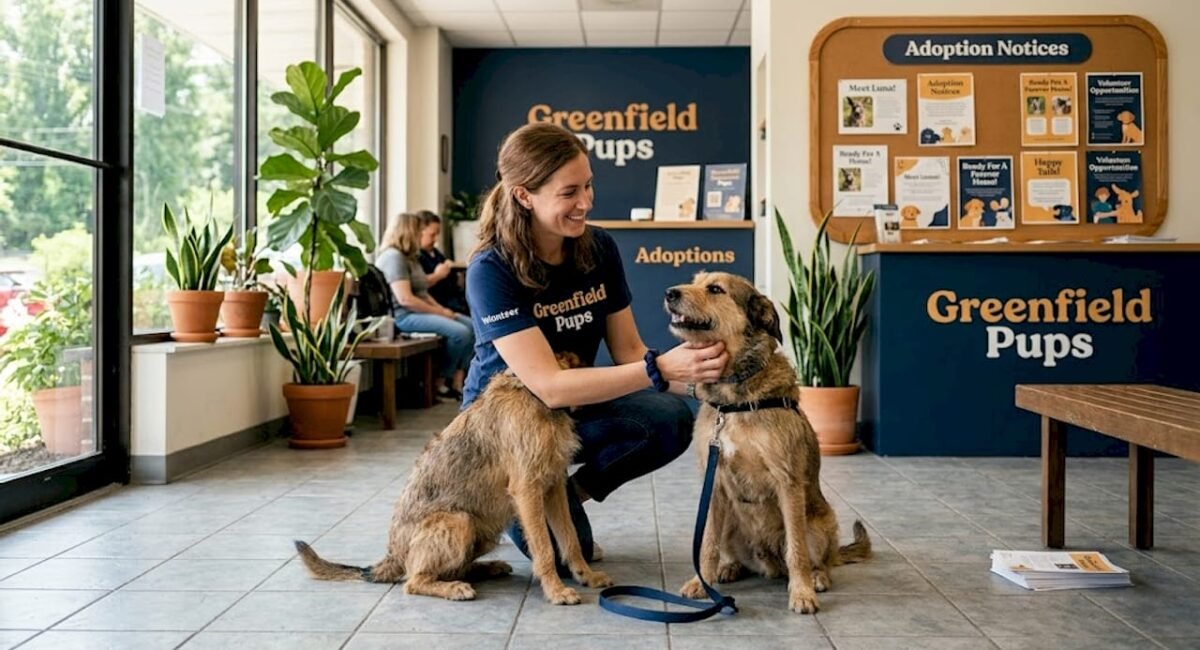
What is pet adoption? Your guide to benefits and success
Most people think adopting a dog is a purely selfless act, a rescue mission for a homeless animal. That framing is not wrong, but it misses a much bigger picture. Research now shows that adoption reshapes the adopter’s health, daily routine, and social life in measurable ways. At the same time, it comes with real responsibilities and occasional hard moments that no one warns you about. This guide breaks down what pet adoption truly means, what the science says about its benefits, how the process works, what challenges to expect, and how to set yourself and your new dog up for lasting success.
Table of Contents
- What is pet adoption?
- Top benefits of adopting a dog
- Understanding the adoption process
- Challenges and realities of adopting a pet
- Adoption options and key considerations
- What most people miss about pet adoption success
- How Greenfield helps you make adoption work
- Frequently asked questions
Key Takeaways
| Point | Details |
|---|---|
| Adoption saves lives | Providing a home to a shelter dog helps reduce overpopulation and saves animals in need. |
| Improves your wellbeing | Adopters experience better physical, mental, and social health based on research. |
| Preparation is crucial | Planning and education before adoption lead to much higher satisfaction and success. |
| Overcome common challenges | Early behavioral hurdles are typical but manageable with the right support and guidance. |
| Choose the right path | Understand your adoption options and pick the one best fit for your lifestyle and goals. |
What is pet adoption?
Pet adoption means providing a permanent home to a dog from a shelter, rescue organization, or previous owner rather than purchasing one from a breeder or pet store. It sounds simple, but the distinction matters both practically and philosophically.
When you buy a dog, the transaction is largely commercial. When you adopt, you are stepping into a relationship that already has a history. The dog may have lived with another family, experienced trauma, or spent months in a kennel environment. That background shapes behavior, temperament, and the early weeks in your home.
Here is how adoption differs from buying at a glance:
- Source: Shelter, rescue, or rehome versus a breeder or pet store
- Cost: Typically lower, often including vaccinations, spay/neuter, and microchipping
- Known history: Variable versus usually documented from birth
- Purpose: Finding a home for an existing animal versus producing a new one
- Process: Application, screening, and sometimes a waiting period
Why does any of this matter to you? Because approximately 2 million dogs are adopted from US shelters each year, yet millions more still wait. Your decision adds to that number, directly reducing overcrowding and euthanasia rates in your region.
“Pet adoption is not just about saving an animal. It is about creating a bond that measurably improves the owner’s life while giving a dog a second chance.”
For those who want expert guidance before committing, reviewing veterinarian guidance for adoption can help you understand what health considerations come with welcoming a shelter dog. If you are also weighing the option of working with a breeder, understanding how to find reputable breeders gives you a full picture of both paths.
Top benefits of adopting a dog
Now that you know what adoption really is, let’s explore the benefits that make it a life-changing choice. The advantages extend far beyond the emotional warmth of giving a dog a home.
Physical and mental health benefits
Dog ownership pushes you to move. Daily walks, playtime in the yard, and trips to the dog park add up quickly. Studies consistently link dog ownership to lower blood pressure, reduced resting heart rate, and better cardiovascular health over time.
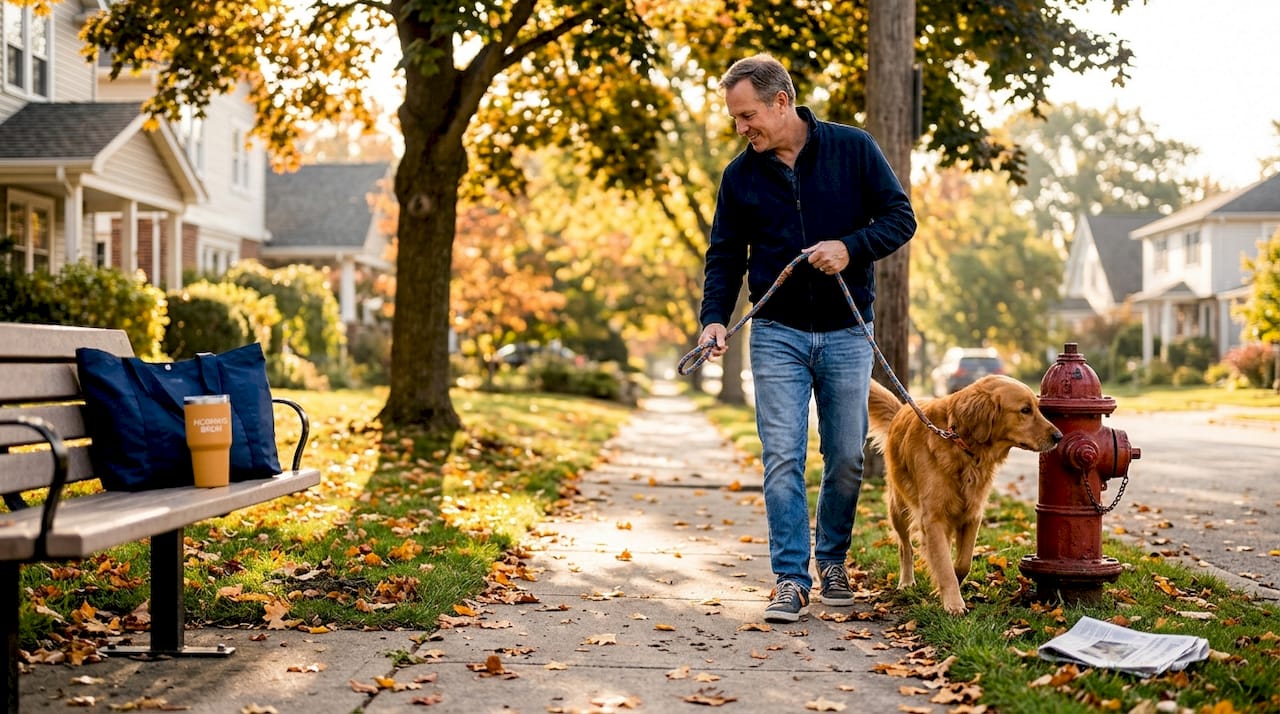
The mental health case is equally strong. Research confirms that life satisfaction improves by 3 to 4 points on a 1 to 7 scale after adopting a dog, an effect researchers value at roughly $70,000 per year in wellbeing terms. That is not a small number. Stress hormones drop in the presence of a dog, and anxiety levels tend to decrease with the routine and companionship a dog provides.
Social and community benefits
Dogs are natural social catalysts. You talk to neighbors you have ignored for years. You build friendships at the dog park. You join online breed groups and local rescue communities. This network effect is real and often underestimated by people who have not yet adopted.
| Benefit | Impact level | Notes |
|---|---|---|
| Reduced stress | High | Cortisol levels drop after 10 minutes with a dog |
| Increased physical activity | High | Average 22 extra minutes of walking per day |
| Life satisfaction boost | High | 3 to 4 points on a 7-point scale |
| Social connection | Medium to high | Regular interactions with neighbors and dog owners |
| Sense of purpose | High | Daily routine and responsibility reduce feelings of isolation |
The community impact
Every adoption helps reduce shelter overcrowding. When shelters are less crowded, animals receive better care, stress levels in kennels drop, and the chance of disease transmission decreases. Your single decision ripples outward in ways that are hard to fully quantify.
For those curious about what adoption looks like from a vet’s perspective, checking out veterinarian adoption insights gives you a professional view of what to expect medically in the first few months.
Key benefits worth remembering:
- Reduced loneliness and depression
- Stronger daily structure and routine
- A reason to exercise regularly
- Deeper community ties
- The satisfaction of giving an animal a second chance
Understanding the adoption process
After seeing the impressive benefits, you’ll want to know exactly what steps adoption involves and how to prepare. The process varies by shelter, but the general path looks like this.
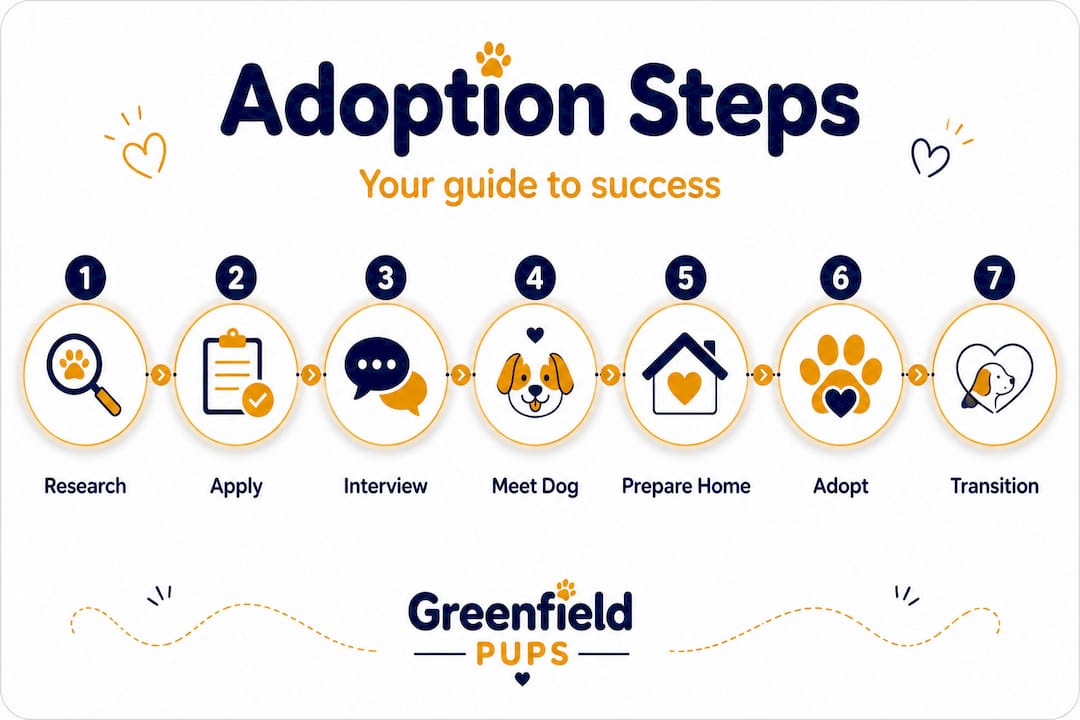
1. Research breeds and shelters. Start by identifying what size, energy level, and temperament fits your lifestyle. Some breeds need two hours of exercise daily. Others thrive in apartments. Match the dog’s needs to your reality, not your ideal image of dog ownership.
2. Submit an application. Most shelters require a written application covering your housing situation, daily schedule, other pets, and experience with dogs. Be honest. Shelters use this to match, not eliminate.
3. Screening and interview. Many reputable shelters conduct a follow-up conversation or home visit. This step protects both the dog and you from a poor match.
4. Meet the dog. Spend time with the dog in a calm environment. Observe how it responds to you, your kids, and your current pets if applicable.
5. Prepare your home. Before the dog arrives, remove hazards, buy essential supplies, set up a sleeping area, and establish house rules. This preparation step is often skipped and almost always regretted.
6. Adoption day. Sign paperwork, pay any fees, and receive records including vaccination history, microchip details, and any behavioral notes.
7. The transition period. Allow 2 to 4 weeks for the dog to decompress. This is called the 3-3-3 rule by many shelter professionals: 3 days to feel overwhelmed, 3 weeks to learn routine, 3 months to fully settle.
Research tracking over 22,000 adopters found 92 to 94% satisfaction rates among dog adopters, which is remarkable. However, that same data shows proactive counseling reduced behavioral returns from higher rates down to just 7%, and fostering before adoption and microchipping both boosted long-term success significantly.
Pro Tip: Ask the shelter if they offer a post-adoption support line or behavioral counseling. Shelters that provide adoption with vet support dramatically improve outcomes for both dogs and new owners.
Challenges and realities of adopting a pet
Having covered what helps adoption succeed, let’s look at real-world challenges and how you can navigate them.
The most surprising fact is this: 78% of dog adopters report at least one significant early challenge. That is not a warning to avoid adoption. It is a call to prepare.
The breakdown of common early issues:
- House soiling: Reported by 32% of adopters. Often resolves within 2 to 4 weeks with consistent crate training and scheduled outdoor breaks.
- Leash pulling: 28% of adopters experience this. A front-clip harness and basic loose-leash training classes fix most cases within a month.
- Separation anxiety: 24% of adopters deal with destructive behavior or excessive barking when left alone. This requires a gradual desensitization approach and patience.
- Jumping and nipping: Common in young dogs and high-energy breeds, but correctable with consistency.
When adoptions don’t work out
About 10% of adoptions result in the dog being returned within 6 months. This statistic sounds discouraging, but it tells a more nuanced story. Most returns happen because of mismatched expectations, not bad dogs or bad owners. A first-time owner who adopts a high-drive working dog without support is not set up to succeed.
| Situation | Recommended action |
|---|---|
| Behavioral challenges (mild) | Contact shelter’s behavioral support, hire a trainer |
| Severe aggression | Consult a certified behaviorist and vet immediately |
| Allergy in household | Consult allergist, consider hypoallergenic breeds |
| Major lifestyle change | Explore foster-to-adopt first before permanent placement |
| Owner overwhelm | Use post-adoption counseling before considering return |
Rehoming is sometimes the kindest option. If a dog shows persistent, severe aggression toward children despite professional intervention, or if an adopter develops a serious allergy, returning or rehoming the dog through an ethical process is not failure. It is responsible ownership. Resources for handling behavioral challenges and choosing a dog suited to your lifestyle from the start reduce this risk dramatically.
For families navigating difficult rehoming situations, knowing that ethical options exist makes a hard decision more manageable.
Pro Tip: Before giving up on a challenging dog, spend two weeks working with a certified professional dog trainer. The majority of behavioral issues that prompt returns are solvable with structured guidance and consistency.
Adoption options and key considerations
Finally, you need to choose the right type of adoption experience and preparation for your needs. Not all shelters operate the same way, and the differences matter more than most people realize.
Types of adoption sources:
- Municipal shelters: Government-run, usually lower fees, higher volume, more urgent timelines for animals
- Non-profit rescues: Often foster-based, smaller, and breed-specific or demographic-specific (seniors, puppies, special needs)
- Breed-specific rescues: Ideal if you want a specific breed but prefer adoption over buying
- Owner rehoming: Directly from a previous owner, which usually comes with more behavioral history but less organizational support
Adoption fees and fee-waived programs:
Fees typically range from $50 to $300 and usually cover spay/neuter, vaccinations, and microchipping. Free adoptions are increasingly common during promotional events. Fee-waived programs can increase adoption rates by up to 226% for senior dogs without reducing the quality of care those animals receive in their new homes. This data challenges the assumption that charging fees equals better outcomes.
Critical checklist before adopting:
- Do you have stable housing that allows dogs?
- Can you afford monthly costs including food, vet care, grooming, and boarding?
- Does everyone in the household agree and have no severe allergies?
- Do you have time for daily exercise, training, and socialization?
- Have you researched breeds or mixes that match your energy level?
Screening debates in the shelter world are ongoing. Some shelters run strict home checks and multi-step applications. Others operate first-come-first-served. Research supports the idea that education and post-adoption support do more to keep animals in homes than gatekeeping alone. Browse available pet adoption listings to see what dogs are available in your area and begin matching your lifestyle to the right animal.
What most people miss about pet adoption success
Here is an uncomfortable truth the adoption community rarely says out loud: strict screening processes and lengthy applications probably do not save more animals than straightforward education and post-adoption support do. The debate over who “deserves” a dog has consumed enormous shelter resources, while the real driver of adoption success sits quietly in the data.
Research tracking thousands of adopters shows 92 to 94% satisfaction across the board. But the cases that fall into the remaining percentage have a pattern: lack of preparation, no access to behavioral support, and no follow-up from the shelter after adoption day.
Consider the story of a first-time adopter who brought home a two-year-old Shepherd mix. Within three weeks, the dog was destroying furniture, barking for hours when left alone, and had bitten through two leashes. The adopter was three days from returning the dog when a shelter volunteer followed up with a check-in call. That single conversation led to a referral for a trainer, a plan for separation anxiety, and a crate training routine. Six months later, that dog was the most well-behaved animal at the local obedience class.
The intervention was not expensive or complex. It was timely, specific, and human. That is what actually works.
At Greenfield Pups, we believe the single most underutilized resource in adoption is ongoing community support. Not just before you adopt, but in the weeks and months after. Connecting with adoption counseling resources and others who have navigated the same challenges changes the experience entirely. Adoption is not an event. It is a process, and the people and tools you surround yourself with during that process determine the outcome far more than any application form does.
How Greenfield helps you make adoption work
If you have read this far, you are taking this seriously. That already puts you ahead of most prospective adopters.
Greenfield Pups offers a platform where you can explore dog adoption listings across the United States, read practical guides, and connect with reputable sources for your next dog. Whether you are leaning toward adoption or want to work with a trusted breeder, Greenfield makes it easy to compare options and find animals that match your lifestyle. You can explore advice on find a reputable breeder or get expert input on choosing the right breeder if adoption is not the right fit right now. Every responsible path to pet ownership starts with the right information, and Greenfield is built to give you exactly that.
Frequently asked questions
What does it mean to adopt a dog?
Adopting a dog means providing a permanent, loving home to a pet from a shelter, rescue, or previous owner instead of buying one from a breeder or pet store, directly contributing to saving shelter animals each year.
What are the main challenges of adopting a dog?
78% of dog adopters face early issues like house soiling, leash pulling, or separation anxiety, but most challenges resolve quickly with consistent training and access to post-adoption support.
Are fee-waived adoptions a good idea?
Research shows that free adoptions increase rates by up to 226% for senior dogs without reducing the quality of care those animals receive, making fee-waived programs a genuinely effective tool for shelters.
Will adopting a dog improve my lifestyle?
Adopters report measurable improvements in physical activity, stress levels, and overall wellbeing, with life satisfaction increasing by 3 to 4 points on a 7-point scale after bringing a dog home.
Leave a Comment