

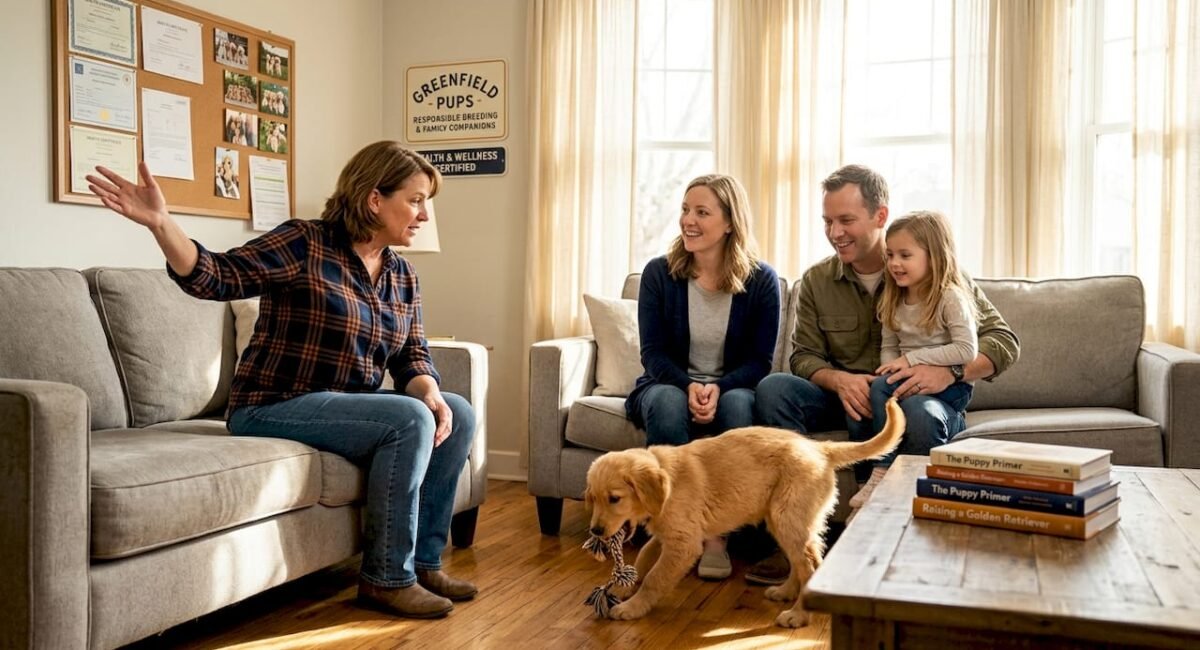
Responsible dog breeding: Best practices for healthy, ethical pups
Most people assume dog breeding falls into one of two camps: either tightly controlled by regulations or driven purely by profit. Neither picture is accurate. Responsible breeding is about selecting for healthier, behaviorally stable dogs while preserving breed characteristics, and it demands far more knowledge, effort, and personal accountability than most people realize. Whether you are considering buying a puppy from a breeder or thinking about breeding your own dogs, understanding what ethical breeding actually looks like will help you make better decisions for the dogs involved and for your family.
Table of Contents
- What makes a breeder responsible?
- The step-by-step process of responsible breeding
- The science behind responsible breeding: Health screenings and genetic testing
- Spotting red flags: How to tell responsible breeders from unethical operators
- Accountability, contracts, and ongoing breeder support
- Why “perfection” isn’t the real goal of responsible breeding
- Next steps for finding or becoming a responsible breeder
- Frequently asked questions
Key Takeaways
| Point | Details |
|---|---|
| Beyond profit motive | Responsible breeders focus on health, stable behavior, and breed quality, not just maximizing puppy sales. |
| Evidence-based process | True ethical breeding uses health screenings, genetic tests, and honest evaluations to reduce inherited risks. |
| Red flags to avoid | Dirty conditions, missing health paperwork, and sales pressure are major warning signs of irresponsible breeding. |
| Ongoing accountability | Contracts, health guarantees, and lifelong breeder support define ethical commitments. |
| No health guarantees | Even with the best practices, genetic health is about lowering risk, not ensuring perfection. |
What makes a breeder responsible?
Responsible breeding is not a feeling or a marketing phrase. It is a documented set of practices, commitments, and values that prioritize the long-term wellbeing of dogs over short-term convenience or financial gain. The American Kennel Club defines it clearly: responsible breeding means selecting for healthier, behaviorally stable dogs while preserving breed characteristics rather than producing puppies for profit.
That definition has real teeth. It means a breeder evaluates every breeding pair against health data, temperament records, and pedigree history before a single litter is planned. It means putting the needs of the dogs first, even when that means skipping a profitable breeding season because a dog is not ready or not healthy enough.
Here is what a responsible breeder’s core checklist typically includes:
- Pre-breeding planning with documented goals tied to health and temperament, not just looks
- Health and temperament review of both the sire (father) and dam (mother)
- Genetic and health testing done before breeding, with results registered in a public database
- Careful screening of potential owners, including questionnaires, home checks, and follow-up conversations
- Written contracts that protect the dog and the buyer
- Lifelong support, including a standing offer to take the dog back if the owner can no longer care for it
“Responsible breeding is not about producing the most puppies. It’s about producing the right puppies for the right homes, with every health advantage possible built in from the start.”
Buyers who want guidance on choosing a responsible dog breeder will find that breeders who tick all these boxes are usually easy to distinguish from those who do not. Reputable breeders welcome scrutiny. They do not rush transactions, and they ask as many questions of you as you ask of them. For a structured approach, you can also find reputable breeders through directories that filter for ethical practices and documented health testing. Pair that research with solid puppy care guidance so you are ready before the puppy arrives.
The step-by-step process of responsible breeding
With the groundwork set, it is vital to understand exactly how responsible breeding unfolds in practice, from initial planning all the way to puppy placement.
-
Build deep breed knowledge first. A responsible breeder spends years studying their breed before producing a single litter. They understand the breed’s history, common health vulnerabilities, working purpose, and temperament ideals. This is not casual research. It involves mentorship, breed club involvement, and ongoing education.
-
Honestly evaluate both dogs. The AKC’s breeder education guidance identifies pre-breeding knowledge and planning, including evaluating temperament and health of both breeding dogs, as a core methodology. This means looking critically at faults, not just celebrating strengths.
-
Complete health and genetic testing. Both parents should be tested for conditions known to affect the breed. Results should be registered in a recognized database before any breeding occurs. This step alone separates responsible breeders from opportunistic ones.
-
Plan deliberately, not opportunistically. Responsible breeders do not breed every time a dog comes into season. They breed when the pairing makes sense, when health results support it, and when they have qualified homes lined up. Timing is intentional.
-
Screen and match potential owners carefully. Not every applicant is the right fit for every dog. Responsible breeders match temperament, lifestyle, and experience level to the specific puppy. This is part of why tips for choosing a responsible breeder always include questions about the breeder’s selection process.
-
Provide contracts, guarantees, and ongoing support. Before any puppy leaves, a written contract is signed. It outlines health guarantees, return policies, spay/neuter agreements if applicable, and the breeder’s ongoing responsibilities. Puppy buyers should also receive resources on early puppy training and behavioral development to set the dog up for success.
Pro Tip: Ask your breeder whether they have ever had an outside evaluator or breed mentor assess their breeding stock. The best breeders actively seek outside opinions to avoid “kennel blindness,” a term that describes the tendency to overlook faults in dogs you have raised and are emotionally attached to. A breeder who welcomes honest critique is a breeder who is genuinely committed to improvement. Connecting with a veterinarian guidance for breeding resource can also help new breeders build the right professional relationships from the start.
The science behind responsible breeding: Health screenings and genetic testing
To appreciate how responsible breeders stand apart from careless operators, you need to understand the actual science they rely on. This is not vague wellness talk. It is structured, documented, and traceable.
Responsible breeding relies on health screening and genetic testing of breeding stock using recognized test categories and official databases. The Orthopedic Foundation for Animals (OFA) is one of the most widely used registries in the United States. It tracks conditions like hip dysplasia, elbow dysplasia, heart disease, and eye conditions across breeds and generations.
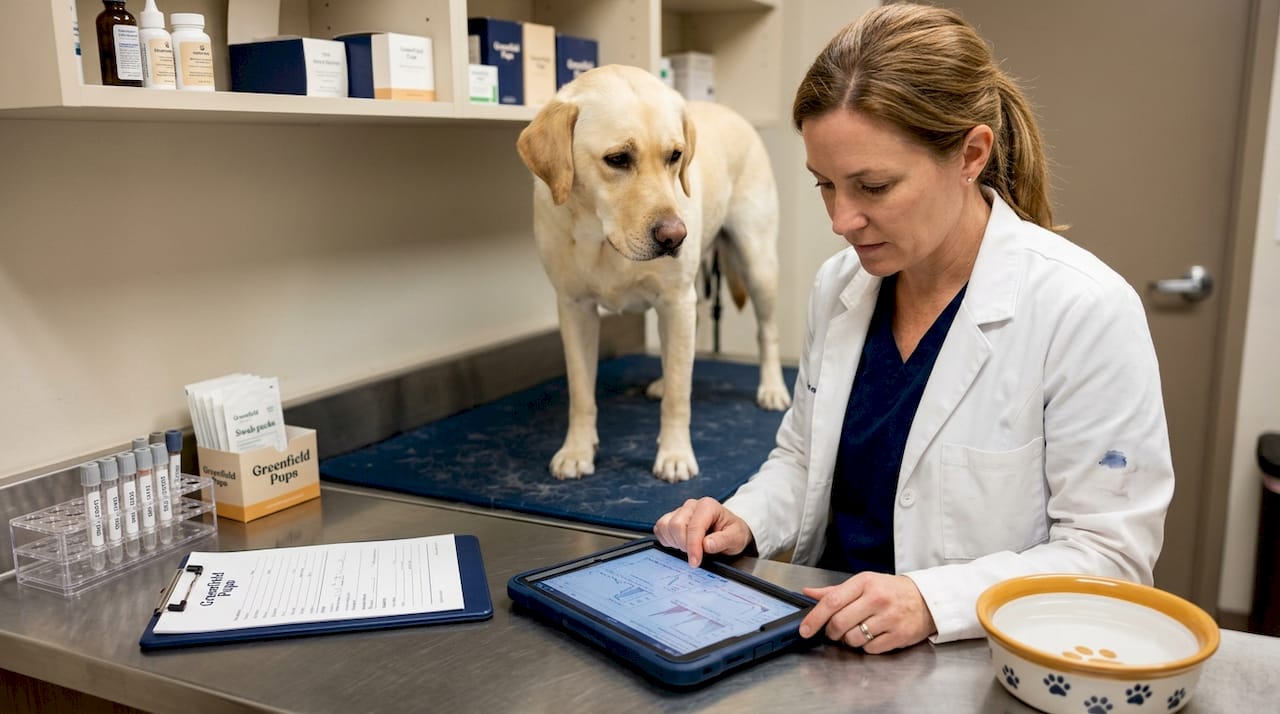
There are two main types of evaluations breeders use:
| Test type | What it does | Example |
|---|---|---|
| DNA/genetic test | Identifies specific gene mutations linked to inherited disease | MDR1 gene in herding breeds |
| Health screening | A specialist evaluates physical condition and certifies it | OFA hip radiograph read by a radiologist |
| Phenotypic evaluation | Observable traits assessed when DNA tests do not yet exist | BAER hearing test for Dalmatians |
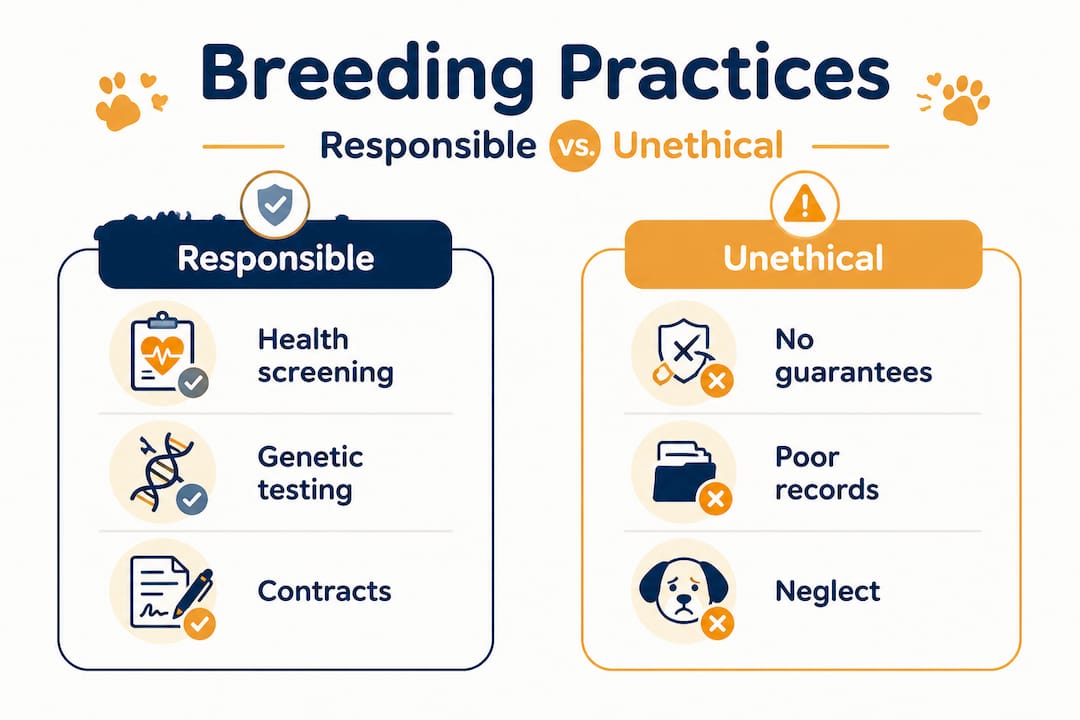
Why does this matter? Because two dogs can look healthy while still carrying genes that cause disease in their offspring. DNA tests catch those hidden carriers. Health screenings confirm that a dog’s body is functioning correctly right now. Together, they build a far more complete picture than a visual inspection ever could.
That said, no test is a guarantee. Even with licensed dog breeder requirements met and every relevant test completed, a puppy can still develop a health problem. What testing does is reduce the probability significantly. It shifts the odds in the puppy’s favor and gives buyers documented confidence rather than just a verbal promise.
Pro Tip: Always ask to see actual test documentation, not just a breeder’s word. Results registered in OFA or a similar database are publicly searchable, which means you can verify them yourself. Any breeder who hesitates to share that information or provide access to their breeder health testing registries is worth questioning further.
The following conditions are commonly tested for in popular breeds:
- Hip and elbow dysplasia in large and giant breeds like German Shepherds and Golden Retrievers
- Progressive retinal atrophy (PRA), a cause of blindness found in many sporting and herding breeds
- Degenerative myelopathy, a neurological condition common in German Shepherds and Corgis
- Von Willebrand’s disease, a bleeding disorder seen in Doberman Pinschers
- Hereditary cataracts in multiple breeds including Australian Shepherds
Spotting red flags: How to tell responsible breeders from unethical operators
With an understanding of best practices, it is crucial to know what unethical behavior looks like so you can protect yourself and the puppies involved.
The contrast between a responsible breeder and a puppy mill is stark, but it is not always obvious at first glance. Puppy mills are large-scale commercial operations where poor welfare outcomes including filth, untreated injury, illness, and preventable suffering are documented consistently. The problem is that some of these operations present a polished online appearance without any of the ethical substance behind it.
| Practice | Responsible breeder | Puppy mill or unethical operator |
|---|---|---|
| Health documentation | Available, registered, verifiable | Absent or vague |
| Facility access | Welcomes visits, open conditions | Refuses in-person visits |
| Buyer screening | Detailed questionnaire, interview | Sells to anyone who can pay |
| Contract | Written, detailed health guarantee | No contract or vague paperwork |
| Return policy | Lifetime return-to-breeder clause | No returns, no follow-up |
| Litter frequency | Planned, infrequent | Constant, multiple litters |
| Puppy age at sale | 8 weeks or older per state laws | Sometimes 6 weeks or younger |
Red flags that buyers should never ignore include:
- No health records or test documentation for either parent
- Pressure to decide quickly or pay a deposit before you have visited in person
- Dirty, crowded, or chaotic conditions at the facility
- Refusal to let you meet the mother of the litter
- Multiple breeds always available, suggesting volume production over careful planning
- No questions asked about your lifestyle, home, or experience
“A breeder who asks you nothing about your life is a breeder who cares nothing about the dog’s future.”
A solid guide to reputable breeders will walk you through what to ask and what to look for when you visit. And if you notice puppy behavioral red flags early, those can also point back to poor breeding conditions and inadequate socialization.
Accountability, contracts, and ongoing breeder support
Finally, responsible breeding is not “over” at adoption. Accountability and commitment continue for the life of the dog.
Responsible breeders typically provide documentation and involve buyer suitability checks rather than simply selling puppies to the first available buyer. That documentation is not bureaucratic box-checking. It is the foundation of a long-term relationship between breeder, buyer, and dog.
A well-crafted breeder contract generally covers:
- Health guarantee with specific terms (duration, conditions covered, what happens if issues arise)
- Return-to-breeder clause obligating the owner to return the dog rather than rehome it independently
- Breeding restrictions if the puppy is sold as a pet rather than a show or working dog
- Spay/neuter agreements tied to specific age windows for certain breeds
- Disclosure of known health history for both parents and previous litters
Even the most carefully planned breeding can result in a dog that develops a health problem later in life. That is not a failure of ethics, it is a reality of biology. Tests improve risk but do not guarantee outcomes. What separates an ethical breeder from an irresponsible one in those moments is what they do next. A responsible breeder stays involved. They help troubleshoot, connect you with specialists, and if necessary, take the dog back.
Pro Tip: Before signing anything, ask your breeder to walk you through every section of the contract. Ask what happens if the dog develops a genetic condition at age three. Ask what the return process looks like. A breeder who engages confidently with those questions is one who has thought through their responsibilities. Consult the step-by-step breeder guide to build a full checklist before your first breeder conversation.
Why “perfection” isn’t the real goal of responsible breeding
Here is something most articles on this topic get wrong: they frame responsible breeding as a path to a perfect puppy. It is not. And the best breeders will tell you that directly.
The goal of responsible breeding is risk reduction and honest stewardship, not engineered perfection. Even established guidance acknowledges that health issues can still occur in carefully planned breedings, because tests improve risk but do not guarantee outcomes. A responsible breeder is not a geneticist with a guarantee. They are a caretaker with a commitment.
What troubles us at Greenfield Pups is the growing expectation among buyers that spending more money or choosing a “health-tested” breeder automatically means a problem-free dog. That expectation sets buyers up for disappointment and unfairly blames breeders for biological realities they cannot fully control.
The breeders we trust most are the ones who say, upfront, “here is what we test for, here is why it matters, and here is what we will do if something still goes wrong.” That honesty is not a weakness. It is the clearest sign of accountability you will find. Contrast that with a breeder who promises you a perfectly healthy puppy with zero caveats. That promise is not confidence. It is a red flag.
Following responsible breeder tips will help you identify the breeders who embrace that honest, accountable mindset, and avoid the ones who sell you a guarantee they cannot back up.
Next steps for finding or becoming a responsible breeder
Empowered with both theory and practical knowledge, you are ready to take meaningful action, whether you are searching for a healthy puppy or stepping into breeding yourself.
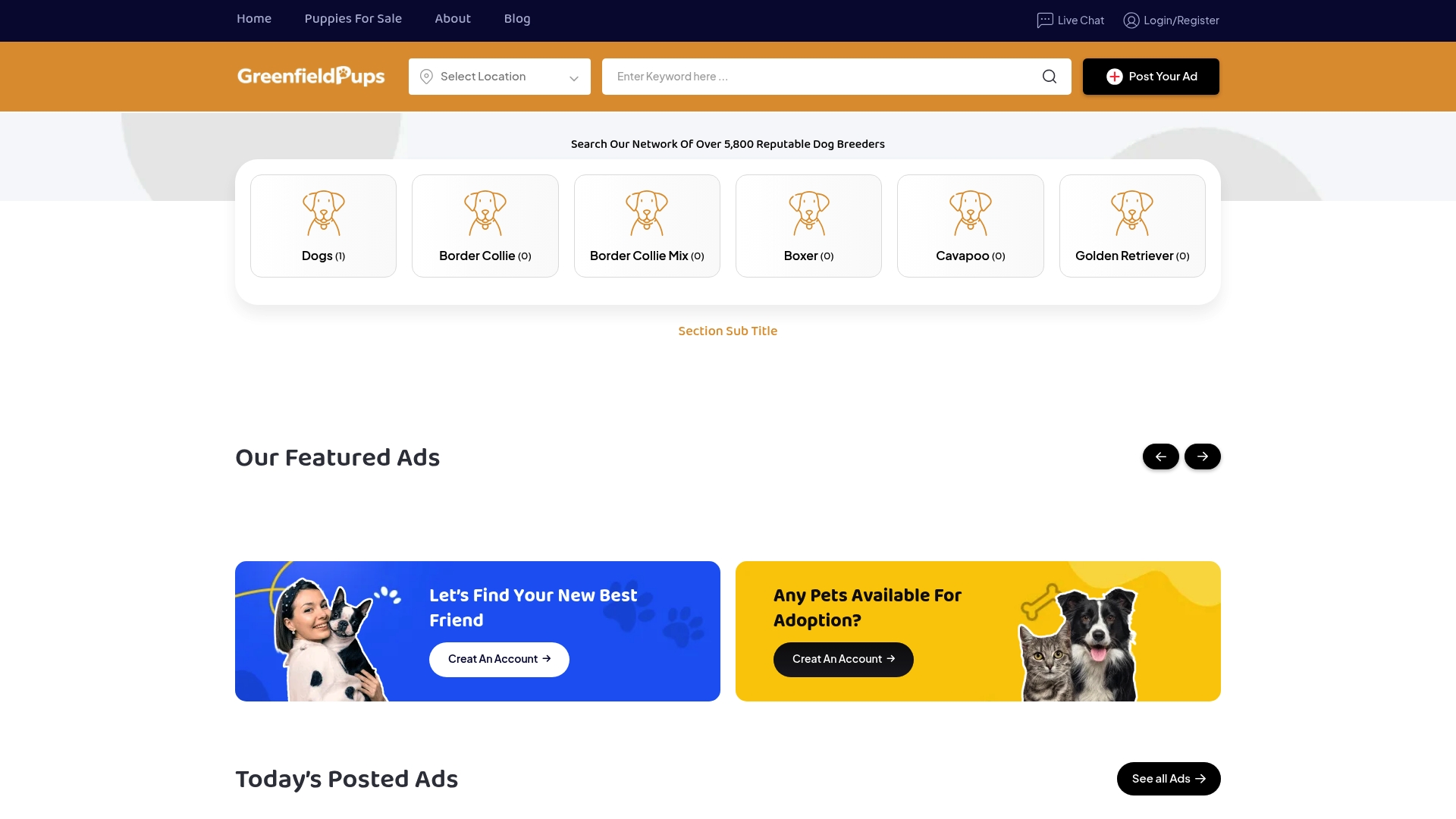
At Greenfield Pups, we connect prospective buyers and ethical breeders across the United States through a platform built around transparency and trust. If you are a buyer, our finding reputable breeders resource gives you a clear, step-by-step path to identifying breeders who meet the standards covered in this article. If you are a breeder, our tips for choosing a responsible breeder content helps you benchmark your own practices. And if you are ready to list your kennel, our guide to listing your kennel responsibly shows you how to present your program with the credibility and transparency that ethical buyers are actively looking for.
Frequently asked questions
What are the signs of a responsible dog breeder?
A responsible breeder provides documentation, requires written contracts, screens buyers carefully, and offers lifelong support including a return-to-breeder policy if the owner can no longer care for the dog.
Why are health screenings and genetic tests important in dog breeding?
Health screening and genetic testing of breeding stock significantly reduces the risk of inherited diseases and improves the likelihood of healthy, stable puppies, though no test can guarantee a completely problem-free outcome.
How can I tell if a breeder is unethical?
Red flags include no health guarantees, poor welfare conditions at the facility, refusal to share breeding records, pressure to buy quickly, and no interest in learning about your lifestyle or home.
What does a responsible breeder’s contract cover?
Contracts typically include a health guarantee, buyer suitability terms, a return-to-breeder clause, and documentation requirements that protect both the dog and the buyer throughout the dog’s life.
Is it possible for a well-bred puppy to still have health issues?
Yes. Even with thorough health testing, health issues can still occur in carefully planned litters, because genetic testing reduces risk rather than eliminating it entirely.
Leave a Comment