

Step by Step Pet Adoption Guide for Families in 2026
Adopting a pet is one of the most rewarding decisions a family can make, but the process rarely feels as simple as it looks from the outside. You find a dog online, fall in love with the photo, and suddenly you’re deep in paperwork, interviews, and waiting periods with no clear roadmap. This step by step pet adoption guide cuts through that confusion. From honestly assessing your readiness before you visit a single shelter, to navigating the 3-3-3 adjustment rule after your new pet comes home, this is the practical companion you need to make adoption a lasting success.
Table of Contents
- Key takeaways
- Step by step pet adoption: assess your readiness first
- Finding reputable shelters and researching available pets
- The adoption process step by step from application to placement
- Bringing your new pet home using the 3-3-3 rule
- Common mistakes to avoid during pet adoption
- My honest take on the adoption process
- Ready to find your perfect match?
- FAQ
Key takeaways
| Point | Details |
|---|---|
| Prepare before you search | Assess your lifestyle, finances, and home setup before browsing available pets. |
| Match on temperament, not looks | Choosing based on lifestyle compatibility over appearance dramatically lowers the risk of a failed adoption. |
| Know the full process | Adoption typically involves an application, screening interview, meet-and-greet, and final paperwork. |
| Use the 3-3-3 rule | Plan for three days of decompression, three weeks to learn routines, and three months to fully bond. |
| Budget beyond the adoption fee | Ongoing vet care, training, and emergency costs are often larger than the initial adoption fee. |
Step by step pet adoption: assess your readiness first
Before you scroll through pet profiles or visit your local shelter, stop and do a realistic audit of your life. This step alone determines whether adoption becomes a joyful milestone or a stressful mistake.
Questions to ask yourself before adopting
Ask yourself honest questions about your daily schedule, housing situation, and energy level. A high-energy Border Collie thrives with an active family that spends hours outdoors. That same dog placed with someone who works 10-hour days in a small apartment is a recipe for frustration on both ends. Think about who is home during the day, how much space you have, and whether everyone in your household actually wants a pet.
Financial readiness matters just as much. Adoption fees often cover initial services like spay or neuter, initial vaccines, and a microchip, but the real costs come afterward. Follow-up vet visits, behavior training, food, grooming, and a realistic emergency fund add up fast. Many first-time adopters are genuinely surprised by this.
Pro Tip: Before you fall in love with a specific animal, write down your non-negotiables: size, energy level, coat type, and age. This list becomes your filter, not the photo.
Here’s a quick preparation checklist to run through before you start searching:
- Secure your home by removing hazards and setting up a safe, quiet space
- Discuss the commitment with every household member, including children
- Research breeds or types that realistically suit your lifestyle
- Budget for year-one costs including food, vet visits, supplies, and training
- Check your lease or HOA agreement for pet restrictions
- Identify a local vet and schedule an initial appointment in advance
| Readiness area | Key question to answer |
|---|---|
| Time | How many hours per day can you dedicate to exercise and interaction? |
| Space | Does your home and yard match the pet’s size and activity needs? |
| Finances | Can you cover $1,000+ in unexpected medical costs if needed? |
| Household | Does every person at home agree to and understand the responsibility? |
| Long-term | Are you prepared for a 10 to 15-year commitment? |
Finding reputable shelters and researching available pets
Once you know what you are looking for, the next step is finding a trustworthy place to look. Not all rescues and shelters operate the same way, and the quality of information you get about a pet varies widely.
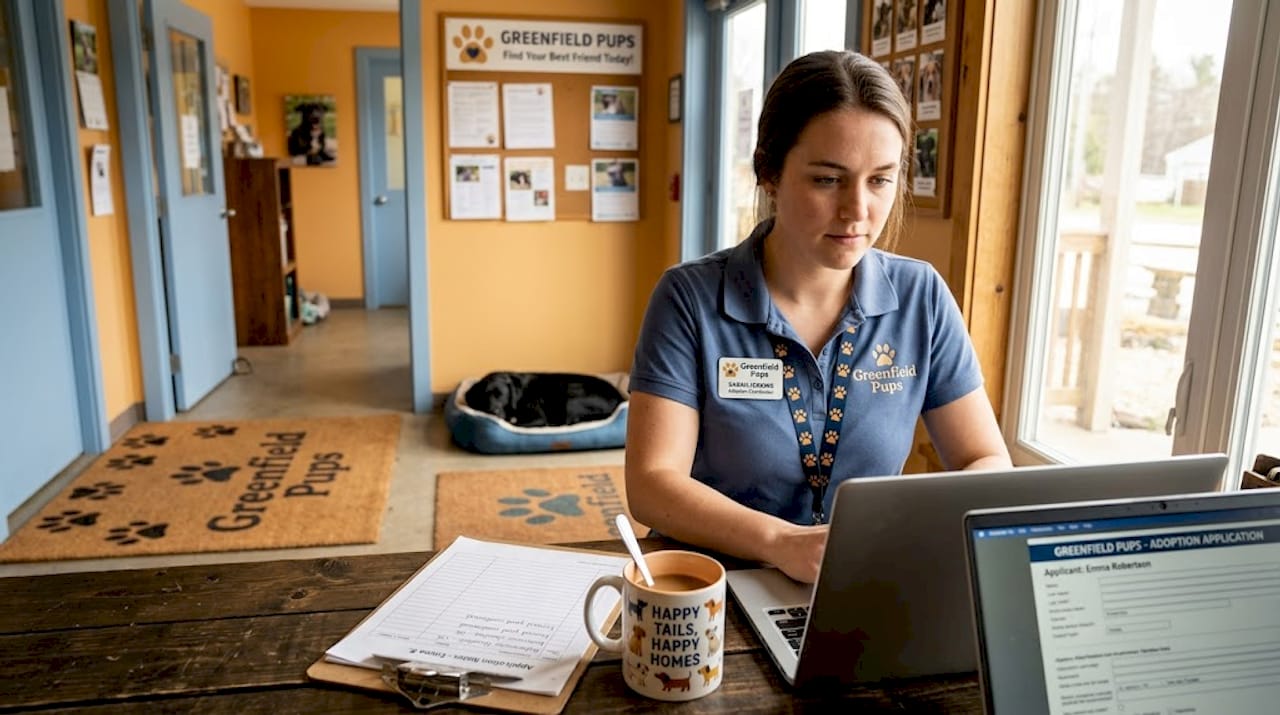
Start by searching local shelters, breed-specific rescues, and reputable online pet platforms. When browsing listings, read the full pet profile rather than stopping at the photo. Look for details on health history, behavioral notes, and any known quirks or triggers. A good shelter or rescue will be upfront about these things because their goal is a lasting placement, not just moving animals out the door.
One thing most adoption guides skip over: pets often show stressed behavior in shelters that does not reflect their true personality. A dog that seems shut down or jumpy in a kennel may be completely relaxed and affectionate in a home environment. This is why asking shelter staff for detailed observations and, where available, foster family feedback is so valuable. The shelter staff insights they offer often reveal more than the pet’s behavior during a 15-minute visit.
When you contact a shelter, ask these specific questions:
- What is this pet’s history, including any previous home or surrender reason?
- Has this pet been in foster care, and what did the foster family report?
- Are there any known behavioral challenges or training needs?
- What are the documented health conditions and vet records?
- What does this pet need most in a home environment?
Most shelters will also tell you what documentation they require upfront, which typically includes a government-issued photo ID and proof of your current address. Some also ask for references or proof of pet-friendly housing. Knowing this before your first visit saves time and sets the right expectations. For a deeper look at what shelters typically require, the shelter documentation guide at Greenfieldpups is a practical reference.
The adoption process step by step from application to placement
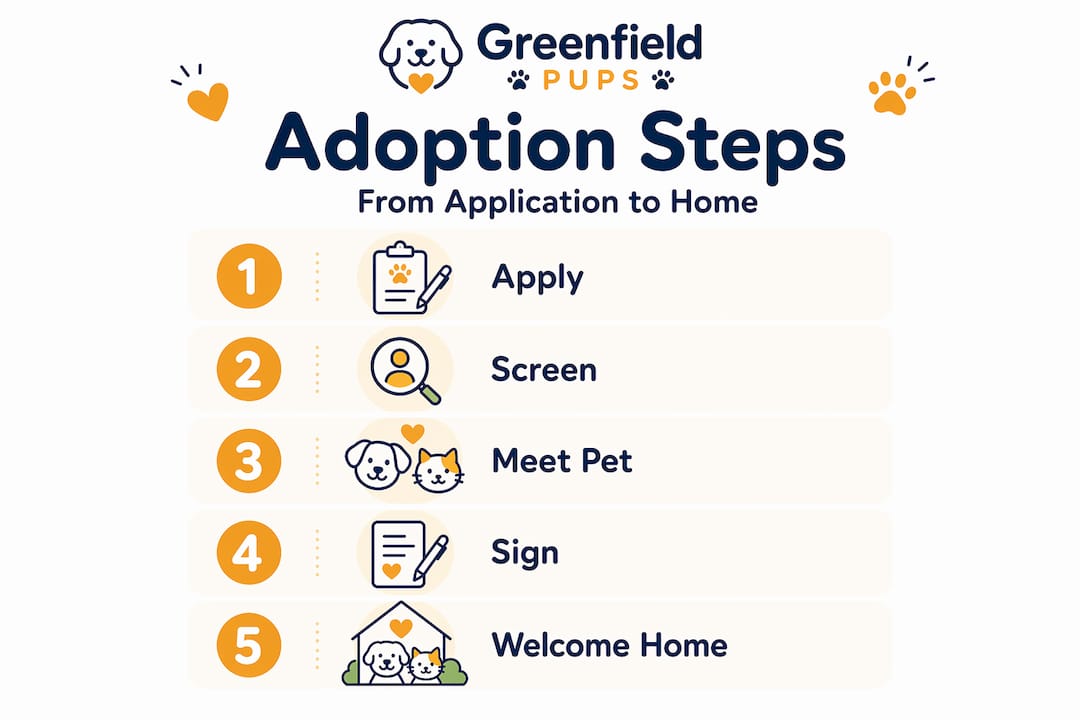
This is the part most people underestimate. The typical dog adoption process takes 3 to 4 weeks from application to final placement, though some shelters offer same-day adoptions for pre-approved applicants. Knowing what each phase involves helps you move through it with confidence.
-
Submit your application. Fill out the shelter’s adoption application thoroughly. Specify the exact animal you are interested in. Many shelters do not operate on a first-come-first-served basis. Instead, matching prioritizes suitability over who applied first, so accuracy and honesty in your application matter more than speed.
-
Prepare your documents. Gather a government-issued photo ID, proof of your current address, and any references the shelter requests. If you rent, a letter from your landlord confirming pets are allowed is often required.
-
Attend the screening interview. This is not a formality. Counselors are actively working to match the right pet to the right home. Expect to discuss your daily routine, experience with animals, and what you are hoping for in a pet. Be honest, even if you think an answer might hurt your chances.
-
Schedule a meet-and-greet. This is your chance to spend time with the animal in a calmer setting than the kennel floor. Some shelters encourage multiple visits. If you have other pets at home, a supervised introduction is often required before approval.
-
Complete final paperwork and pay the adoption fee. Fees in the United States typically range from $175 to $325 and usually cover initial vaccines, spay or neuter surgery, and a microchip. Some shelters run promotional periods with reduced or waived fees.
Pro Tip: If you are a first-time adopter, read the adoption contract carefully before you sign. Look for clauses about returning the pet if the placement does not work out, because a good rescue will always take that animal back.
| Adoption stage | Typical timeframe |
|---|---|
| Application review | 1 to 7 days |
| Screening interview | Same week as application |
| Meet-and-greet | Within 1 to 2 weeks |
| Final approval and paperwork | 1 to 3 days after meet-and-greet |
| Total process | 3 to 4 weeks on average |
Bringing your new pet home using the 3-3-3 rule
The moment you bring your new pet through the door is exciting. For your pet, it is often terrifying. Understanding this gap in perspective is the single most important thing you can do in the first few days.
The 3-3-3 rule is a widely used framework in the rescue community that maps out what to expect and how to respond at each phase of adjustment.
The 3-3-3 rule: 3 days to decompress, 3 weeks to learn your routine, 3 months to feel truly at home and trust you completely.
The first three days are about giving your pet space, not stimulation. During this initial phase, many pets hide, refuse food, or test boundaries. This is normal stress behavior, not a sign of a problem animal. Set up a quiet room or area with a bed, water, and familiar-smelling items. Limit visitors and loud environments.
Weeks one through three are when your pet begins to relax enough to show their true personality. This is the right time to establish feeding schedules, start basic training, introduce house rules consistently, and begin short, calm outings.
Months one through three are the real bonding period. Expect some behavioral regression as your pet tests limits more confidently. Stay consistent. Patience during this phase pays off in a secure, trusting relationship that lasts years.
Practical tips for the first month at home:
- Stick to a consistent daily schedule for feeding, walks, and bedtime
- Use positive reinforcement training from day one
- Avoid overwhelming your pet with too many new people or environments at once
- Watch for signs of anxiety such as excessive panting, pacing, or destructive behavior
- Schedule a vet visit within the first week, even if the pet appears healthy
Common mistakes to avoid during pet adoption
Even well-intentioned adopters make errors that cause preventable stress. Knowing these pitfalls in advance puts you ahead of most first-time adopters.
The biggest mistake is choosing a pet based on appearance or trend. Choosing based on looks over compatibility leads directly to higher abandonment rates. The Husky that looks stunning in photos requires intense daily exercise and mental stimulation. Adopting one because they are photogenic rather than because your lifestyle supports their needs is setting up both of you to struggle.
Other common mistakes include:
- Rushing the process because you fell in love with a specific animal immediately
- Skipping the home preparation phase and bringing a pet into an unsecured or unprepared space
- Underestimating the adjustment period and expecting a perfect pet from day one
- Ignoring the advice of shelter staff during the screening process
- Failing to introduce the new pet gradually to existing pets or children
For a more detailed breakdown of what to watch out for, the common adoption mistakes guide at Greenfieldpups covers scenarios that trip up even experienced pet owners.
My honest take on the adoption process
I have seen a lot of people walk into adoption with the best intentions and still struggle in the first few months, not because they made a wrong choice, but because they expected the relationship to feel instant.
The human-animal bond takes time to build. What I have learned, both from research and from conversations with adopters, is that the families who succeed long-term are the ones who treat the adjustment period as part of the adoption, not a problem with it. They show up consistently, they set boundaries kindly, and they give the pet space to come to them rather than forcing connection.
My other honest observation: people are often too focused on finding the “perfect” pet and not focused enough on becoming the right owner. The screening interview is not an obstacle. It is the moment where a good shelter counselor helps you see what you actually need versus what you think you want. Lean into that conversation rather than trying to give the “right” answers.
Adoption changes lives. It does so messily and slowly and beautifully. Go in with realistic expectations and a commitment to the process, and you will not regret it.
— Taylor
Ready to find your perfect match?
Whether you are fully committed to adoption or still weighing your options, Greenfieldpups has resources to help you make a confident, informed decision.

If adoption turns out to be your path, the step-by-step dog adoption workflow on Greenfieldpups walks you through every stage in detail. If you want to understand the alternative and learn what responsible sourcing looks like, the guides on types of dog breeders and ethical breeder practices are worth reading before you commit. You can also use the pet classifieds guide to understand how to search listings safely. Whatever route you choose, Greenfieldpups gives you the tools to choose wisely.
FAQ
How long does the pet adoption process take?
The typical adoption takes 3 to 4 weeks from application to final placement, though some shelters approve and place pets on the same day for prepared applicants.
What documents do I need to adopt a pet?
Most shelters require a government-issued photo ID and proof of your current address. Renters may also need a landlord letter confirming that pets are allowed.
What is the 3-3-3 rule in pet adoption?
The 3-3-3 rule describes three phases: three days of decompression, three weeks to learn the household routine, and three months to feel fully secure and trust their new family.
How much does it cost to adopt a dog?
Adoption fees in the United States typically range from $175 to $325, usually covering spay or neuter, initial vaccines, and microchipping. Ongoing annual costs for food, vet care, and supplies are separate.
What is the most common mistake first-time adopters make?
Choosing a pet based on looks or trends rather than lifestyle fit is the most frequent error. Compatibility over appearance is the single most reliable predictor of a successful, lasting adoption.
Leave a Comment