

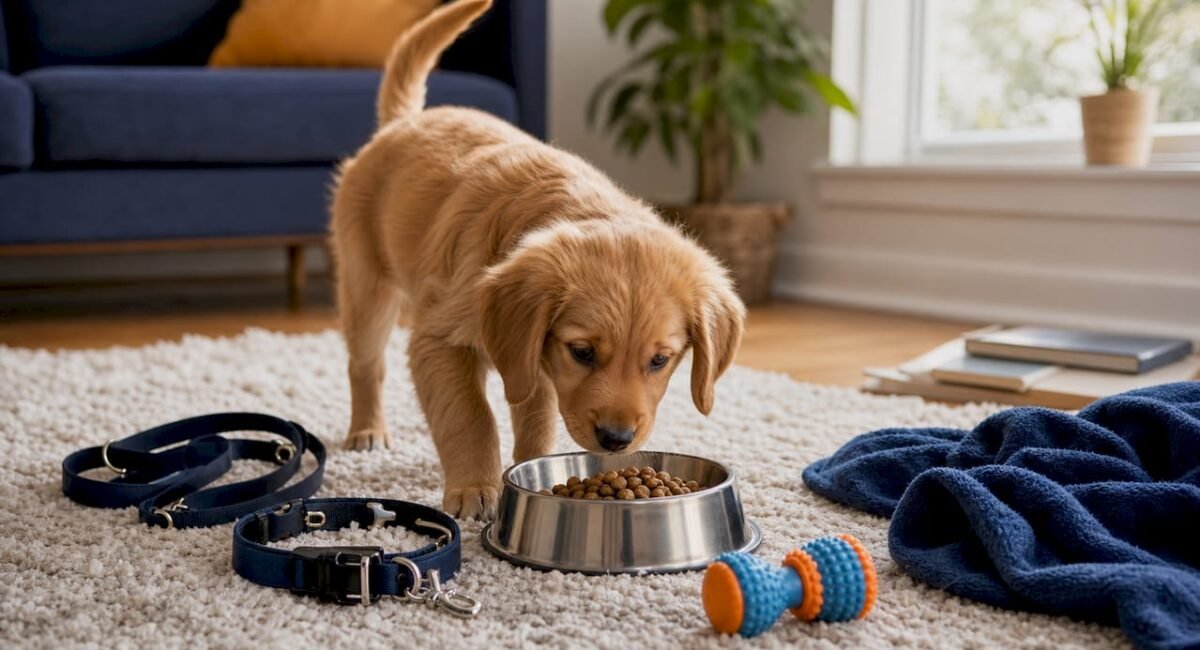
Must-Have Puppy Supplies: New Owner’s 2026 Checklist
Must-have puppy supplies are the foundational tools every new owner needs to support their puppy’s health, safety, and training from the first day home. A well-built puppy supply list covers five core areas: nutrition, shelter, training, grooming, and enrichment. Skip any one of them and you will spend the next several months fixing problems that the right gear prevents upfront. This guide walks you through each category with specific product types, expert-backed standards, and the mistakes most first-time owners make before they know better.
1. high-quality puppy food and feeding supplies
The single most important item on your essential puppy supplies checklist is the right food. Puppies need a diet labeled AAFCO Growth or All Life Stages with at least 22% protein for proper development. That label is not marketing. It means the formula has been tested to meet minimum nutritional standards set by the Association of American Feed Control Officials.
Feed your puppy at least three meals per day during the first several months. Smaller, more frequent meals support stable blood sugar and reduce the risk of bloat in larger breeds.
- Food and water bowls: Choose stainless steel or ceramic over plastic. Plastic bowls harbor bacteria and can cause chin acne in some puppies. Stainless steel is dishwasher-safe and nearly indestructible.
- Measuring scoop: Portion control matters. Overfeeding a puppy strains developing joints, especially in large breeds.
- Training treats: Keep them small and soft. Treats should not exceed 10% of your puppy’s daily caloric intake to maintain balanced nutrition.
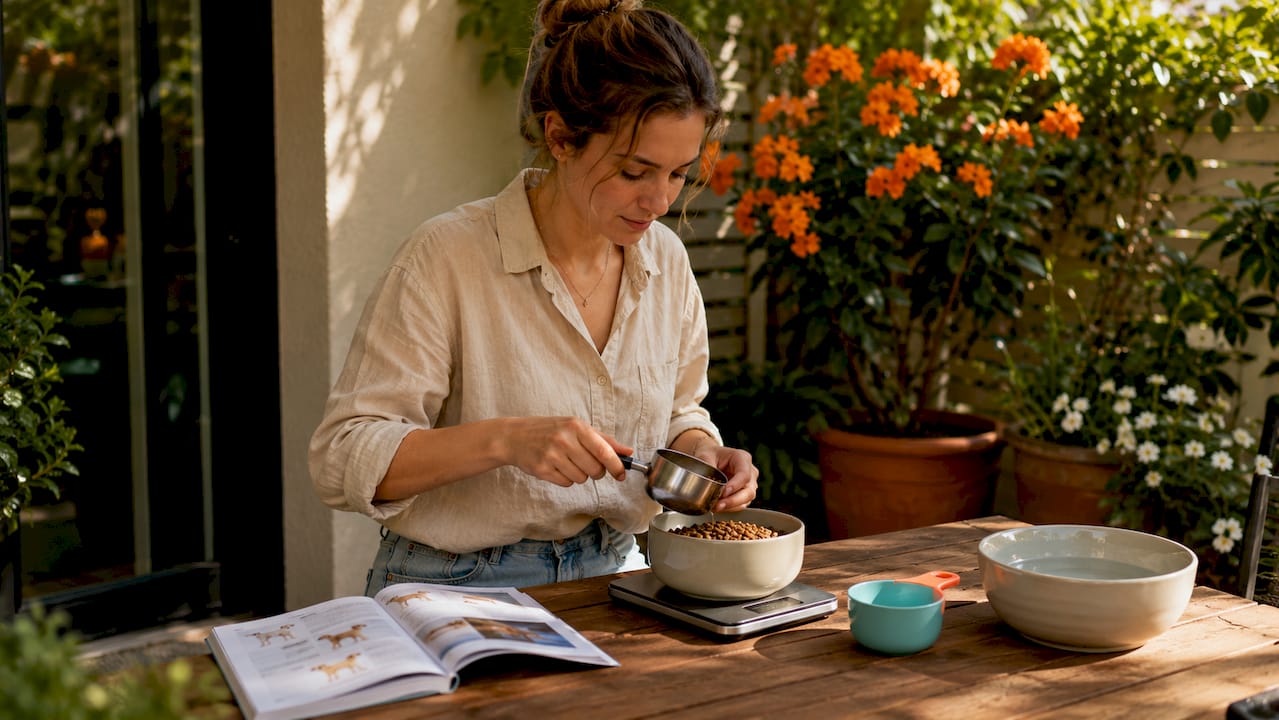
Pro Tip: Buy a kitchen scale for the first few weeks. Scoops vary in volume, and weighing food is the only accurate way to hit the serving size on the bag.
2. crate, bedding, and sleeping supplies
A crate is not a punishment tool. It is your puppy’s den, and most dogs grow to love it when introduced correctly. The key is sizing. A crate with a divider is ideal for accommodating growth and aids in house training by limiting potty mistakes. Buy an adult-sized crate once and use the divider to shrink the interior as needed. This saves money and prevents the puppy from using one corner as a bathroom.
Crate vs. playpen: which do you need?
| Option | Best For | Limitation |
|---|---|---|
| Wire crate with divider | House training, overnight sleeping | Requires gradual introduction |
| Soft-sided crate | Travel, calm puppies | Not chew-proof |
| Playpen or puppy gate | Daytime containment, larger spaces | Does not replace crate training |
Most new owners need both a crate and a gate or playpen. The crate handles overnight and unsupervised time. The gate limits access to rooms you have not yet puppy-proofed.
- Bedding: Choose washable covers. Puppies have accidents, and machine-washable bedding saves you from replacing it every few weeks.
- Placement: Put the crate in a quiet area with low foot traffic, but not so isolated that the puppy feels cut off from the family.
Pro Tip: Cover three sides of the crate with a blanket to create a den-like feel. Most puppies settle faster in a darker, enclosed space.
3. leash, collar, and walking gear
A fixed-length leash of 4–6 feet is the standard recommendation for puppy training. Retractable leashes are actively harmful at this stage. They teach puppies that pulling extends the lead, which creates a pulling habit that is difficult to break later. Retractable leads also snap back and cause injuries to both dogs and owners.
- Collar: An adjustable flat collar fits a growing puppy without constant replacement. Check the fit weekly. You should be able to slide two fingers underneath it.
- Harness: A front-clip harness reduces pulling by redirecting the puppy toward you when they lunge forward. It is a better choice for brachycephalic breeds like French Bulldogs and Pugs.
- ID tag: Attach one before the first walk. Include your name, phone number, and city. Microchipping is the backup, but a tag gets your puppy home faster.
Pro Tip: If your puppy is a heavy chewer, choose a leash made from biothane or chain rather than nylon. Nylon leashes can be chewed through in minutes.
4. grooming and hygiene essentials
Grooming is not just about appearance. Early grooming habituation, including teeth brushing, reduces adult resistance and builds positive habits that make vet visits easier for life. Start handling your puppy’s paws, ears, and mouth during the first week home, even before you have all the tools.
- Shampoo: Use a puppy-safe, hypoallergenic formula. Adult dog shampoos are often too harsh for a puppy’s sensitive skin.
- Brush: Match the brush to the coat. A slicker brush works for most medium and long coats. A rubber curry brush suits short-coated breeds like Beagles and Boxers.
- Nail clippers or grinder: Start with a grinder if your puppy is nervous. The vibration is less startling than the snap of a clipper for many dogs.
- Dental kit: Human toothpaste is toxic to dogs because it contains xylitol. Use only pet-specific enzymatic toothpaste. Brush two to three times per week from the start.
- Enzymatic cleaner: Accidents happen. Enzymatic cleaners like Nature’s Miracle break down odor molecules at the source. Regular cleaners mask the smell but leave a scent trail that draws puppies back to the same spot.
- Poop bags: Keep a roll on every leash and one near every door. Running out is not an option.
Pro Tip: Pair every grooming session with a high-value treat. The puppy learns that nail trims and tooth brushing predict good things, which makes the process faster and calmer over time.
5. toys and enrichment items
Chew toys are not optional. Puppies teethe between 3 and 6 months of age, and they will chew something. The goal is to make sure that something is not your furniture. Rubber and vet-approved chew toys redirect this behavior safely and keep puppies occupied during the hours when you cannot actively supervise them.
- Teething toys: Look for rubber toys rated for puppies, such as KONG Puppy products. These can be stuffed with peanut butter or wet food and frozen for longer-lasting engagement.
- Avoid rawhide: Rawhide poses a choking hazard and is treated with chemicals during processing. Safer alternatives include bully sticks, yak chews, and rubber chews.
- Rope toys: Supervise rope toy play closely. Puppies can unravel the fibers and swallow them, causing intestinal blockages.
- Comfort toys: A plush toy, especially one that mimics a heartbeat, can reduce separation anxiety during the first nights in a new home.
- Puzzle feeders: Slow-feeder bowls and snuffle mats add mental stimulation to mealtime. A mentally tired puppy is a calmer puppy.
Check out the Greenfieldpups guide on puppy socialization to understand how toys and structured play connect to broader behavioral development.
Key takeaways
A complete puppy gear checklist built around nutrition, containment, training, grooming, and enrichment gives your puppy the best possible start and prevents the most common first-year behavior problems.
| Point | Details |
|---|---|
| Feed AAFCO-approved food | Choose puppy food labeled AAFCO Growth with at least 22% protein and feed three times daily. |
| Use a crate with a divider | One adult-sized crate with a divider saves money and supports effective house training from day one. |
| Skip retractable leashes | Fixed 4–6 foot leashes build better leash manners and prevent snap-back injuries during walks. |
| Start grooming early | Introduce brushing, nail handling, and tooth brushing in week one to reduce adult resistance. |
| Choose rubber over rawhide | Rubber chew toys and frozen KONGs redirect teething safely without the choking risk of rawhide. |
What new owners actually get wrong
Most first-time puppy owners overbuy. They come home with a cart full of gear and miss the two or three items that actually matter most. I have seen this pattern repeatedly. The crate gets skipped because it “feels mean,” the retractable leash gets grabbed because it looks convenient, and the plastic bowl stays because it was cheap. Every one of those decisions creates a problem within the first 60 days.
The crate divider is the most underrated item on any puppy supply list. Buying a full-size adult crate once and adjusting the divider as the puppy grows is smarter than buying two or three progressively larger crates. It also keeps the sleeping space appropriately sized, which is what makes crate training actually work.
Consistency and routine matter as much as physical supplies in raising a well-behaved puppy. The best leash in the world does not help if you use it differently every day. Pick a feeding schedule, a potty schedule, and a training method, then stick to all three. Your puppy is not being stubborn when they seem confused. They are waiting for a pattern to emerge.
The grooming piece surprises most people. Starting tooth brushing and nail handling in week one feels unnecessary when the puppy is tiny and cooperative. But that early exposure is exactly what makes a 70-pound adult dog tolerate the process without a fight. Do not wait until it becomes a problem.
Buy quality where it counts: food, crate, and leash. Save money on toys, because your puppy will destroy most of them anyway. And give yourself some grace. Signs of a healthy puppy are usually obvious when you know what to look for, and the right supplies make those signs easier to maintain.
— Taylor
Start your puppy journey with the right breeder
Getting the supplies right is only half the equation. The other half is finding a puppy from a source you can trust.

Greenfieldpups connects prospective owners with responsible breeders and adoption resources across the United States. Whether you are buying from a breeder or considering adoption, understanding types of dog breeders helps you ask the right questions and avoid common pitfalls. Greenfieldpups also covers responsible adoption options for owners who want to give an existing dog a new home. Browse listings, read breeder guides, and find the puppy that fits your life at Greenfieldpups.
FAQ
What food should i buy for a new puppy?
Choose a puppy food labeled AAFCO Growth or All Life Stages with at least 22% protein. Feed at least three meals per day during the first several months.
Are retractable leashes safe for puppies?
Retractable leashes are not recommended for puppies. They teach pulling behavior and can cause snap-back injuries. A fixed 4–6 foot leash gives you better control during training.
Can i use human toothpaste to brush my puppy’s teeth?
Never use human toothpaste on a dog. It contains xylitol, which is toxic to dogs. Use only pet-specific enzymatic toothpaste designed for canine dental care.
What size crate do i need for a puppy?
Buy an adult-sized crate with a divider rather than a puppy-sized crate. The divider limits the interior space during house training and expands as your puppy grows, saving you from buying multiple crates.
Which toys are safe for teething puppies?
Rubber chew toys rated for puppies, such as KONG Puppy products, are the safest option. Avoid rawhide due to choking hazards and chemical processing. Always supervise rope toy play to prevent fiber ingestion.
Leave a Comment