

Essential Dog Care Tips for a Healthier, Happier Pet
Dog care tips are the daily and lifelong practices that determine whether your dog lives a long, healthy, and behaviorally sound life. The difference between a dog that thrives and one that merely survives often comes down to consistent preventive habits rather than expensive reactive treatments. Veterinary research confirms that owners who prioritize nutrition, exercise, grooming, socialization, and routine vet care see measurably better outcomes. This guide covers the most impactful practices for 2026, drawing on current veterinary guidance and real-world application.
1. Prioritize nutrition and weight management above everything else
Nutrition is the single most controllable factor in your dog’s lifespan. Lean dogs live roughly 15% longer than overweight dogs, adding approximately two years to their lives. That statistic alone should reshape how you think about every bowl you fill and every treat you hand out.
Start by selecting a food that meets World Small Animal Veterinary Association (WSAVA) guidelines. Brands like Hill’s Science Diet, Purina Pro Plan, and Royal Canin publish nutritional research and employ full-time veterinary nutritionists, which makes them reliable choices. Generic store brands often lack the quality controls these companies maintain.
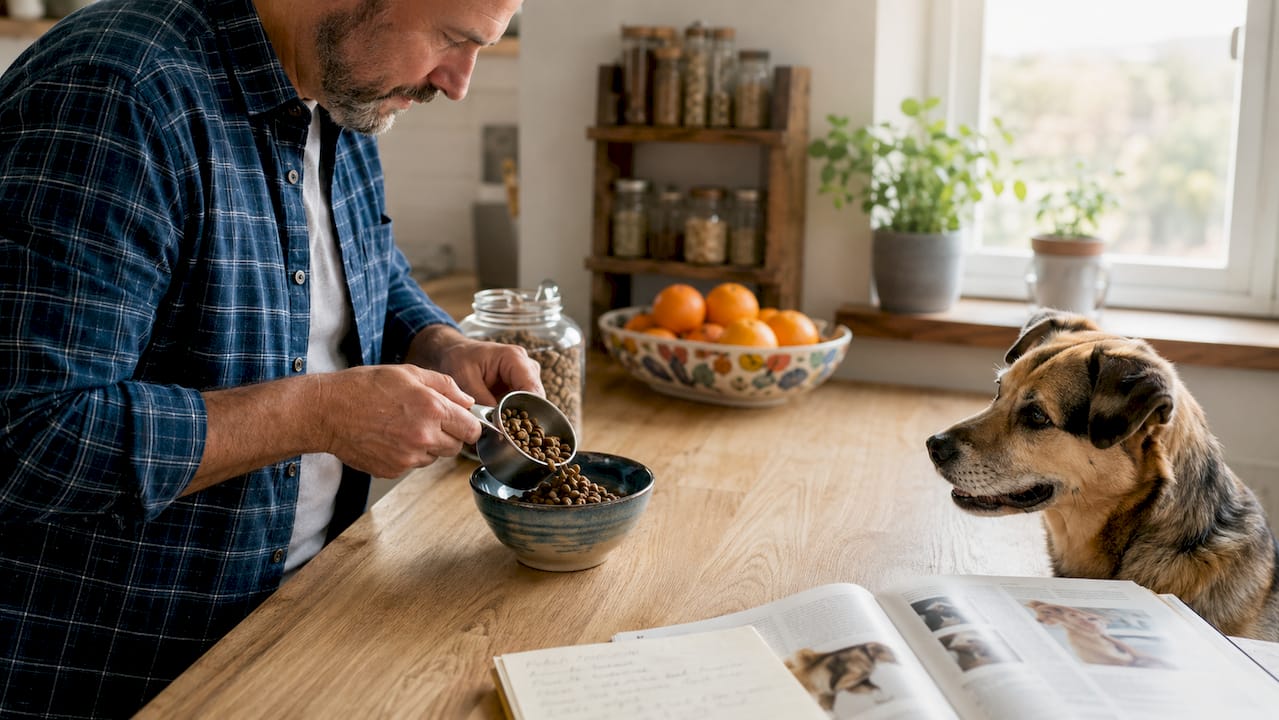
Treats and table scraps are where most owners quietly undermine their dog’s diet. Limit treats and table foods to no more than 10% of your dog’s total daily caloric intake. A 20-pound dog typically needs around 400 to 500 calories per day, so that 10% ceiling is smaller than most people realize.
Pro Tip: When switching foods, follow a 7 to 10 day transition by mixing increasing amounts of the new food with the old. Skipping this step is the most common cause of preventable digestive upset.
| Feeding cue | What it means |
|---|---|
| Ribs easily felt but not visible | Healthy body condition |
| Ribs hard to feel under fat layer | Overweight, reduce portions |
| Ribs visibly protruding | Underweight, increase portions |
| Waist visible from above | Ideal weight range |
2. Match exercise to your dog’s size and breed
Exercise requirements are not one-size-fits-all. Small breeds need at least 30 minutes of daily walking, while larger breeds require 60 minutes to maintain healthy weight and muscle tone. A Chihuahua and a Labrador Retriever have completely different physical demands, and treating them the same leads to either obesity or exhaustion.
Here is a practical breakdown by activity level:
- Low energy breeds (Basset Hound, Shih Tzu, Bulldog): 20 to 30 minutes of gentle walking daily
- Medium energy breeds (Cocker Spaniel, Poodle, Beagle): 30 to 45 minutes of brisk walking or play
- High energy breeds (Border Collie, Australian Shepherd, Vizsla): 60 to 90 minutes of vigorous activity daily
- Giant breeds (Great Dane, Saint Bernard): moderate exercise with joint-protective surfaces
Mental stimulation matters as much as physical movement. A 20-minute sniff-focused walk provides more mental satisfaction than a 40-minute structured heel walk. Letting your dog stop, sniff, and explore engages their brain in ways that pure cardio cannot replicate.
On bad weather days, swap outdoor walks for indoor enrichment: puzzle feeders like Kong Classic or Nina Ottosson puzzle toys, scent games where you hide treats around the house, or trick training sessions that combine mental focus with physical movement.
Pro Tip: Rotate enrichment activities weekly so your dog does not habituate to the same game. Novelty is what keeps the mental challenge alive.
3. Build a consistent grooming routine
Grooming is not cosmetic. Regular brushing prevents matting, distributes natural skin oils, and gives you a weekly opportunity to spot lumps, skin irritations, or parasites before they become serious problems.
Bathing frequency depends on breed and lifestyle. Short-coated dogs like Beagles may only need a bath every four to six weeks, while double-coated breeds like Huskies benefit from more frequent bathing during shedding seasons. Always use a dog-specific shampoo. Human shampoos disrupt the pH balance of canine skin, which sits around 7.5 compared to human skin at 5.5.
Nail trimming is one of the most neglected parts of dog care. Overgrown nails alter your dog’s gait and put stress on joints over time. Trim nails every two to three weeks using a guillotine-style clipper or a rotary tool like a Dremel. If you can hear your dog’s nails clicking on hard floors, they are already too long.
Weekly ear cleaning with a veterinarian-approved solution like Virbac Epi-Otic prevents yeast and bacterial buildup, especially in floppy-eared breeds like Cocker Spaniels and Basset Hounds.
Pro Tip: Start grooming routines during puppyhood, even if your puppy does not need it yet. Handling paws, ears, and mouths early builds tolerance that pays off for the dog’s entire life.
| Grooming task | Recommended frequency |
|---|---|
| Brushing (short coat) | 2 to 3 times per week |
| Brushing (long or double coat) | Daily |
| Bathing | Every 4 to 6 weeks |
| Nail trimming | Every 2 to 3 weeks |
| Ear cleaning | Weekly |
| Tooth brushing | Daily or at minimum 3 times per week |
4. Take dental health as seriously as any other health issue
Bad breath in dogs is frequently a sign of dental disease, which connects directly to heart and kidney health through bacterial spread via the bloodstream. Daily tooth brushing with a dog-specific enzymatic toothpaste like Virbac CET is the gold standard for prevention.
Hard chews are a common mistake. Avoid antlers, Nylabones, and real bones that can fracture teeth. Instead, use Veterinary Oral Health Council (VOHC)-approved dental chews, which have been independently tested for plaque and tartar reduction. Brands like Greenies and Purina DentaLife carry the VOHC seal.
Dental X-rays and professional cleanings under anesthesia detect hidden pain and disease that no amount of at-home brushing can address. Most dogs need a professional cleaning every one to two years depending on breed and genetics. Small breeds like Yorkshire Terriers and Dachshunds are genetically predisposed to periodontal disease and often need more frequent attention.
5. Socialize your puppy during the critical window
Puppy socialization is the process of exposing young dogs to a wide variety of people, animals, sounds, and environments during the developmental period when their brains are most receptive to new experiences. The critical socialization window runs from 3 to 14 weeks of age. Missing this window does not make socialization impossible, but it makes it significantly harder and less effective.
Positive exposure during this period reduces the likelihood of fear-based aggression, noise phobias, and separation anxiety in adulthood. The goal is not flooding your puppy with stimulation but pairing new experiences with calm, positive outcomes. Puppy classes run by certified trainers, like those certified through the Certification Council for Professional Dog Trainers (CCPDT), offer structured socialization in a safe environment.
For adopted or rescue dogs, the 3-3-3 rule provides a useful framework. The first three days are about decompression. The first three weeks are about learning the household routine. The first three months are when the dog begins to feel truly settled and their real personality emerges. Rushing any phase creates setbacks.
For a deeper look at why this matters, Greenfieldpups covers puppy socialization techniques in detail, including how early exposure shapes lifelong confidence.
6. Use positive reinforcement as your training foundation
Positive reinforcement training is the method of rewarding desired behaviors with treats, praise, or play to increase the likelihood of those behaviors repeating. It is not permissiveness. It is precision. Dogs trained with reward-based methods show lower cortisol levels and higher task engagement than those trained with aversive tools.
Keep training sessions short and frequent. Five to ten minutes, two to three times per day, outperforms a single 30-minute session for retention and enthusiasm. Use high-value treats like small pieces of chicken or commercial training treats from Zuke’s Mini Naturals for new or difficult behaviors, and lower-value treats for behaviors the dog already knows well.
Crate training works best when the crate is treated as a sanctuary rather than a punishment. Use a consistent verbal cue like “go to bed” paired with a treat tossed inside. Cover the crate with a blanket to create a den-like environment, and never use it as a consequence for misbehavior.
Consistency across all household members is non-negotiable. If one person allows the dog on the couch and another does not, the dog is not being disobedient. The dog is responding logically to inconsistent rules.
7. Schedule regular veterinary care before problems appear
Proactive wellness exams detect subtle, life-altering conditions early before symptoms become visible. Waiting for your dog to act sick before visiting a vet is one of the most common and costly mistakes owners make. Dogs are instinctively wired to mask pain and illness, which means visible symptoms often indicate a condition that has been developing for weeks or months.
Adult dogs should see a veterinarian at least once per year. Dogs over seven years old benefit from twice-yearly exams. Routine visits typically include physical examination, weight assessment, dental evaluation, and discussion of parasite prevention.
Puppy vaccinations start at 6 to 8 weeks of age, with booster shots every 3 to 4 weeks until 16 weeks. This schedule builds immunity during the window when maternal antibodies are declining and the puppy is most vulnerable to disease.
Year-round parasite prevention covers four major threats:
- Fleas: monthly topical or oral preventatives like Frontline Plus or NexGard
- Ticks: oral preventatives like Bravecto or Simparica Trio, especially in wooded or grassy regions
- Heartworm: monthly oral preventatives like Heartgard Plus, year-round regardless of climate
- Intestinal parasites: annual fecal exams and deworming as needed
Routine bloodwork, urinalysis, and fecal testing at annual visits screen for kidney disease, liver dysfunction, blood sugar irregularities, and parasites that show no outward signs. Catching these early is the difference between a manageable condition and a crisis.
Key takeaways
Consistent preventive dog care across nutrition, exercise, grooming, socialization, and veterinary visits produces longer, healthier lives and reduces lifetime treatment costs.
| Point | Details |
|---|---|
| Nutrition drives longevity | Lean dogs live up to 15% longer; limit treats to 10% of daily calories. |
| Exercise must match the dog | Small breeds need 30 minutes daily; large breeds need 60 minutes. |
| Dental care prevents systemic disease | Daily brushing and VOHC-approved chews protect heart and kidney health. |
| Socialization window is short | The 3 to 14 week period shapes behavior for the dog’s entire life. |
| Proactive vet care saves money | Annual or biannual exams catch silent diseases before they become emergencies. |
Why I think most owners underestimate the small daily habits
After years of working with dog owners and breeders across the country, the pattern I see most often is not neglect. It is inconsistency. Owners who do everything right during puppyhood and then gradually let routines slip as the dog matures. The dental brushing stops. The puzzle feeders collect dust. The vet visits stretch from annual to “when something seems wrong.”
What the research keeps confirming, and what I have seen play out in real dogs, is that the compounding effect of small daily habits is enormous. A dog that gets its teeth brushed three times a week for ten years has a fundamentally different oral health profile than one that never does. A dog that gets a 20-minute sniff walk every morning is calmer, less destructive, and easier to live with than one that gets a long run twice a week.
The other thing I would push back on is the idea that mental enrichment is a luxury. Puzzle feeders, scent games, and trick training are not extras for bored owners. They are health interventions. A mentally under-stimulated dog develops anxiety, destructive behavior, and in some breeds, compulsive disorders that are genuinely difficult to reverse.
My honest advice: pick three habits from this list that you are not currently doing and commit to them for 30 days before adding more. Sustainable dog care is built on habits you can actually maintain, not perfect routines you abandon after a week.
— Taylor
Start your dog’s journey with the right foundation

The best dog care starts before you bring a puppy home. Choosing a responsible breeder who prioritizes health testing, early socialization, and ethical practices gives your dog a head start that no amount of post-adoption care can fully replicate. Greenfieldpups has put together a practical resource on choosing a responsible breeder that walks you through exactly what to look for and what questions to ask. If you want to go deeper, the Greenfieldpups guide on ethical breeding practices covers health standards and what separates quality breeders from the rest. Responsible ownership begins with a responsible source.
FAQ
How often should I take my dog to the vet?
Adult dogs need at least one wellness exam per year. Dogs over seven years old benefit from twice-yearly visits, since age-related conditions like kidney disease and arthritis develop faster and benefit from earlier detection.
What is puppy socialization and why does it matter?
Puppy socialization is the process of exposing young dogs to diverse people, animals, and environments during the developmental window between 3 and 14 weeks of age. Dogs that miss this window are significantly more likely to develop fear-based aggression and anxiety as adults.
How much exercise does my dog actually need?
Small breeds need at least 30 minutes of daily walking, while large breeds need 60 minutes. Mental enrichment like sniff walks and puzzle feeders counts toward daily stimulation and can reduce anxiety as effectively as physical exercise.
What foods should I avoid giving my dog?
Avoid table scraps as a regular habit and keep all treats under 10% of daily caloric intake. Toxic foods include grapes, raisins, onions, garlic, xylitol (found in sugar-free gum and some peanut butters), and chocolate.
How do I know if my dog is a healthy weight?
Run your hands along your dog’s ribcage. You should feel the ribs easily without pressing hard, but they should not be visibly protruding. A visible waist when viewed from above and a slight abdominal tuck from the side are both signs of a healthy body condition.
Leave a Comment