

Pet Selling Tips: A Responsible Seller’s 2026 Guide
Effective pet selling tips cover three non-negotiable pillars: advertising that attracts the right buyers, screening that protects the animal, and legal compliance that protects you. Whether you are rehoming a single cat or running a licensed breeding operation, the same framework applies. The USDA Animal Welfare Act sets federal minimums, transfer contracts define your liability, and buyer screening separates responsible placements from dangerous ones. Get all three right, and you protect the animal, the buyer, and yourself.
1. Craft pet advertisements that attract serious buyers
Your listing is the first filter. A vague or low-quality ad draws low-quality inquiries, while a specific, well-photographed listing pre-qualifies buyers before you exchange a single message. Learning how to list pets online correctly is the single fastest way to reduce wasted time.
Every effective pet ad includes:
- Clear, natural-light photos from multiple angles, including the animal’s face, full body, and living environment
- Breed, age, sex, and weight stated in the first two lines
- Temperament notes such as “good with children under 10” or “prefers single-pet households”
- Health records summary: vaccinations, deworming dates, and whether the animal is spayed or neutered
- Upbringing context: socialization history, training level, and daily routine
Post on platforms that serve your specific animal type. Greenfieldpups connects dog breeders with verified buyers across the U.S. and offers tiered listing plans that give your ad consistent visibility. Social media groups and local classifieds can supplement reach, but they require heavier screening on your end.
Pro Tip: Update your listing every 48 to 72 hours with a new photo or a small detail change. Most platforms surface recently edited ads higher in search results, giving you free visibility without paying for a featured slot.
2. Screen prospective buyers before you commit
The challenge in rehoming is not posting the ad. It is confirming buyer suitability through a structured process that most casual sellers skip entirely. A Virginia Beach case documented by local news showed a kitten sold through a generic classified site was likely killed by the buyer. That outcome is preventable with the right workflow.
Use this screening sequence:
- Send a written application first. Ask about living situation, other pets, work schedule, and prior pet ownership. Serious buyers complete it without complaint.
- Call references. A previous veterinarian or landlord confirms whether the buyer has cared for animals responsibly before.
- Conduct a video or in-person interview. Tone, knowledge, and questions asked reveal more than any form.
- Arrange a face-to-face meeting with the animal present. Watch how the buyer interacts. Hesitation, rough handling, or disinterest in the animal’s reaction are red flags.
- Offer a trial period with a written return clause. This gives both parties an exit if the match does not work, and it signals that you prioritize the animal’s welfare over a quick sale.
Avoid open marketplaces where scams thrive on generic platforms and buyer identity is unverifiable. Reputable adoption-focused platforms and breed-specific communities attract buyers who already understand responsible ownership.
Pro Tip: Ask every applicant: “What would you do if you could no longer keep this pet?” The answer reveals their long-term commitment and whether they view the animal as a permanent family member or a temporary convenience.
3. Understand your legal obligations under U.S. law
Pet selling advice that ignores federal law is incomplete. The USDA Animal Welfare Act requires licensing, annual reports, inspections, health certificates, and records of acquisition and disposition for regulated parties. Sellers who exceed four breeding females and conduct sight-unseen sales fall under this framework.
The retail pet store exemption is the most misunderstood rule in pet sales. USDA licensing is triggered when the seller, buyer, and animal are not all physically present at the time of sale. Sell online without an in-person meeting and you are legally operating as a dealer, not a retail store, regardless of your scale.
Key legal requirements for sellers:
- Health certificates issued by a licensed veterinarian for animals crossing state lines or sold through regulated channels
- Recordkeeping covering acquisition dates, source information, and disposition records for each animal
- Transfer contracts that document medical history, veterinarian contact, and financial terms
- State-specific rules that may be stricter than federal minimums, such as the Massachusetts PETS Act, which bans retail sale of commercially bred dogs and cats in pet shops
| Legal requirement | Who it applies to | Why it matters |
|---|---|---|
| USDA license | Breeders with 4+ females doing sight-unseen sales | Federal law; violations carry fines and facility closure |
| Health certificate | Interstate or regulated sales | Confirms animal fitness and vaccination status |
| Transfer contract | All sellers | Documents liability, medical history, and terms |
| State breed/sale laws | Varies by state | Some states ban specific breeds or sale methods |
Pro Tip: Consult your state’s department of agriculture website before your first sale. State rules on health certificates, waiting ages for puppies, and mandatory disclosures vary significantly and are updated more frequently than federal guidelines.
4. Prepare your animal for a safe, low-stress handoff
A pet that arrives at its new home stressed, sick, or poorly groomed reflects directly on you as a seller and raises the buyer’s first doubts about the transaction. Proper preparation is both an ethical obligation and a practical sales strategy.
Follow these welfare-focused steps before every handoff:
- Feed light meals 6 to 8 hours before transport and plan toilet breaks every 2 to 3 hours to minimize motion sickness and accidents
- Never leave a pet alone in a parked vehicle. Heat builds inside a car within minutes, even on mild days, and can be fatal
- Groom the animal and clean its living area before any buyer visit. First impressions matter, and a clean environment signals responsible care
- Prepare a written behavioral summary covering feeding schedule, favorite toys, known fears, and any quirks the new owner should know immediately
Offer the buyer a small supply of the animal’s current food to prevent digestive upset during the transition. Recommend a vet visit within the first week and provide your veterinarian’s contact information in writing. These steps cost almost nothing but dramatically increase buyer confidence and reduce post-sale complaints.
Pro Tip: Send the buyer a short video of the animal’s daily routine before the handoff day. Buyers who feel familiar with the pet before meeting it in person are calmer, more confident, and far less likely to back out at the last minute.
5. Use a written transfer contract for every sale
A written transfer contract documents medical history, veterinarian contacts, and financial terms, protecting both parties if a dispute arises after the sale. Sellers who skip this step transfer risk to themselves without realizing it.
Every contract should name both parties with contact details, describe the animal with breed, age, and microchip or registration number, and list all known health conditions. Include the purchase price, payment method, and whether a deposit was collected. Add a clause specifying what happens if the buyer cannot keep the animal. Adoption agreement templates from legal platforms like ezel.ai show that return deadlines and vaccine records are standard inclusions in enforceable agreements.
Sellers should view the contract as a risk-transfer document. Every piece of medical and behavioral information you disclose in writing reduces your liability if the buyer later claims the animal had undisclosed issues. Transparency in the contract is not just ethical. It is your legal protection.
6. Compare selling platforms before you list
Not every platform serves every seller equally. The table below compares the most common options by reach, safety, and compliance support.
| Platform type | Reach | Buyer safety | Compliance support |
|---|---|---|---|
| Greenfieldpups | U.S. nationwide | High (breed-specific, vetted listings) | Yes (breeder-focused resources) |
| Reputable adoption portals | Regional to national | High (application-based) | Moderate |
| Social media groups | Variable | Low (no identity verification) | None |
| Open classifieds | High | Very low (scam-prone) | None |
| Local pet shops | Local only | Moderate | Varies by state law |
Reputable adoption portals and breed-specific platforms like Greenfieldpups attract buyers who are already educated about responsible ownership. Open classifieds generate volume but require you to do all the safety work yourself, and the risk of encountering bad actors is measurably higher. The USDA’s Animal Care Public Search Tool lets buyers verify breeder compliance, so listing on a platform that encourages that transparency works in your favor.
Key takeaways
Successful pet selling requires combining legal compliance, structured buyer screening, and welfare-focused preparation before every transaction.
| Point | Details |
|---|---|
| Lead with a strong ad | Include breed, health records, temperament, and clear photos to attract serious buyers. |
| Screen every buyer | Use applications, references, and in-person meetings before committing to any placement. |
| Know your USDA obligations | Sight-unseen sales trigger federal licensing requirements regardless of your operation’s size. |
| Use a written contract | Document medical history, financial terms, and return clauses to protect both parties legally. |
| Choose platforms carefully | Breed-specific and welfare-focused platforms reduce scam risk and attract more qualified buyers. |
Why welfare-first selling is also your best sales strategy
I have reviewed hundreds of pet listings and spoken with breeders at every level, from first-time rehomers to multi-breed operations. The sellers who consistently close transactions quickly, receive positive references, and avoid post-sale disputes share one trait: they treat the sale as a placement, not a transaction.
That distinction sounds subtle, but it changes everything. A seller focused on placement writes a more honest ad, asks harder questions during screening, and hands over a contract without being asked. A seller focused purely on closing a transaction skips those steps and then wonders why buyers ghost them or dispute the sale weeks later.
The USDA’s 2026 coordinated crackdown with the DOJ, DHS, and HHS signals that federal enforcement is tightening around chronic welfare violators. That pressure will push more buyers toward sellers who can demonstrate documented care, verified health records, and transparent practices. Sellers who build those habits now are not just being ethical. They are positioning themselves ahead of a market shift.
My honest advice: do not wait for a bad experience to adopt adoption-style screening. The pet adoption workflow used by shelters and reputable rescues exists because it works. Borrow it, adapt it to your situation, and use it from your very first sale. The buyers worth having will respect the process. The ones who push back on a simple application are telling you exactly who they are.
— Taylor
Find the right tools for responsible pet selling on Greenfieldpups
Greenfieldpups gives sellers the resources to advertise with confidence and place pets with buyers who are genuinely prepared. Whether you are crafting your first listing or managing multiple placements, the platform offers practical guides on ethical breeder responsibilities and a listing guide built to get your ad noticed on top U.S. marketplaces. You will also find resources on creating pet ads that attract responsible buyers and protect your interests throughout the process.
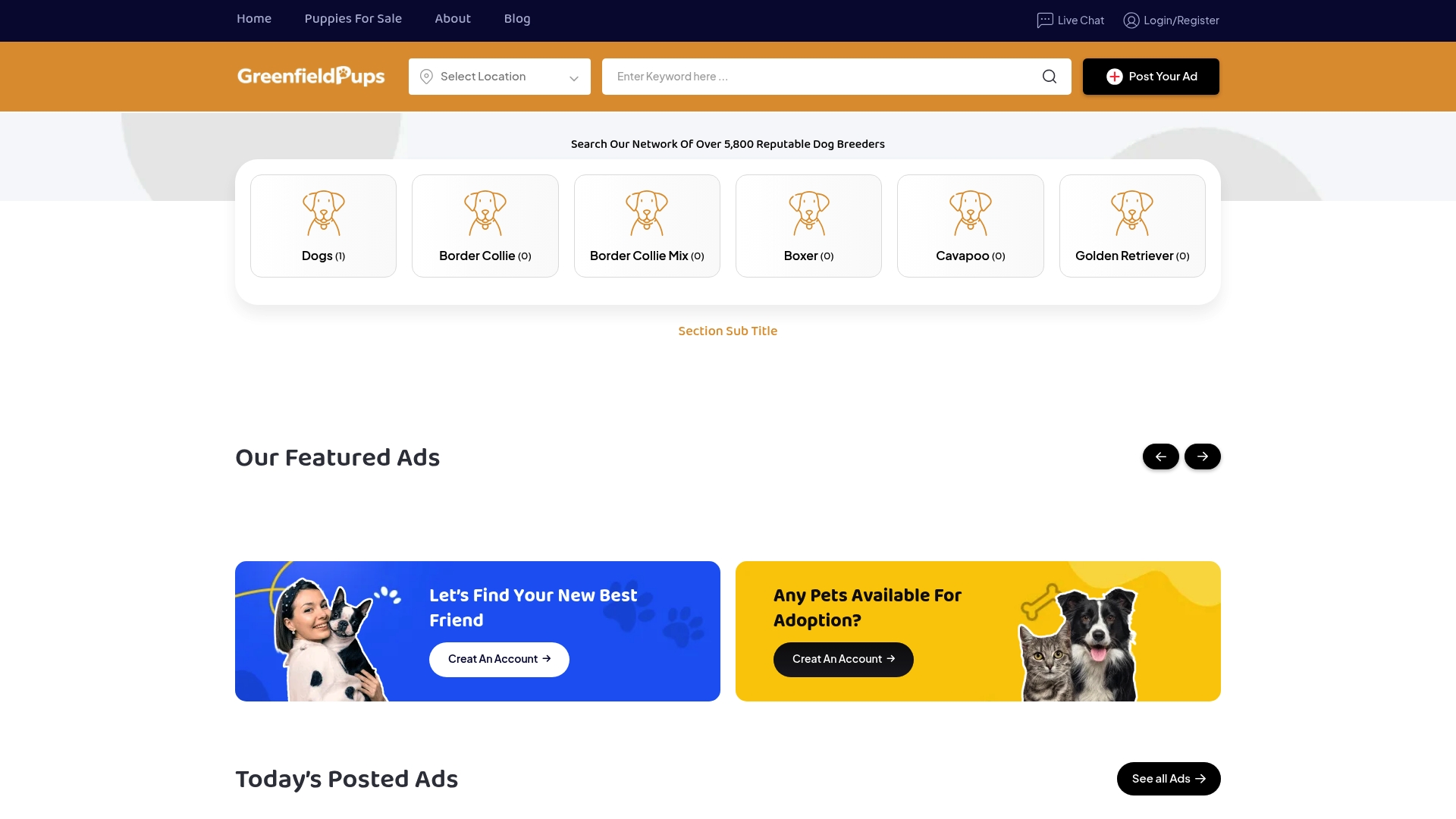
Greenfieldpups connects breeders and sellers with buyers who are actively searching for specific breeds across the United States. The tiered subscription plans make it affordable to maintain visibility without overspending, and the platform’s focus on animal welfare means your listing appears alongside content that educates buyers before they ever contact you.
FAQ
What documents do I need to sell a pet legally?
At minimum, you need a health certificate from a licensed veterinarian, vaccination records, and a written transfer contract. Sellers conducting interstate or sight-unseen sales may also require a USDA license under the Animal Welfare Act.
Do I need a USDA license to sell pets online?
Yes, if you sell pets without the buyer, seller, and animal all physically present at the time of sale. The USDA retail exemption applies only to in-person transactions, so online-only sales trigger federal licensing requirements.
How do I avoid scams when selling pets?
Avoid open classifieds and use platforms with identity verification and application-based buyer screening. Require a written application, verify references, and never transfer an animal without an in-person meeting and a signed contract.
What should a pet transfer contract include?
A transfer contract should include both parties’ contact details, the animal’s breed, age, and microchip number, all known health conditions, the purchase price, and a return clause specifying what happens if the buyer cannot keep the pet.
How can I keep my pet calm during the handoff to a new owner?
Feed light meals 6 to 8 hours before transport, plan regular breaks, and never leave the animal in a parked vehicle. Providing a familiar item like a toy or blanket from the animal’s current home also reduces stress during the transition.
Leave a Comment