

How to Sell Dogs Online: a Breeder’s 2026 Guide
Knowing how to sell dogs online sounds simple until you’re dealing with worried buyers, vague platform rules, and legal requirements you didn’t know existed. Whether you’re a small hobby breeder with a single litter or someone managing multiple breeds year-round, the online marketplace rewards preparation and punishes shortcuts. Done right, selling dogs online connects your puppies to loving homes faster and at fair prices. Done wrong, it can expose you to regulatory trouble, scams, and damaged reputation. This guide walks you through every step, from licensing to listing to post-sale follow-up.
Table of Contents
- Key takeaways
- How to sell dogs online legally and responsibly
- Choosing the right platform for your listings
- Writing listings that actually convert
- Safe transactions and ethical buyer screening
- Post-sale follow-up and building long-term trust
- My honest take on selling dogs online
- How Greenfieldpups supports responsible online dog sales
- FAQ
Key takeaways
| Point | Details |
|---|---|
| Licensing matters early | USDA rules kick in based on breeding scale and whether sales happen sight-unseen. |
| Platform choice shapes outcomes | Different sites attract different buyer types; pick platforms that match your breed and goals. |
| Listings need honesty and specifics | Photos, health records, and honest temperament descriptions build buyer trust faster than pricing alone. |
| Screen buyers before you commit | Asking the right questions before a sale protects the dog and reduces post-sale problems. |
| Post-sale care builds reputation | Following up after a sale generates referrals, positive reviews, and loyal repeat buyers. |
How to sell dogs online legally and responsibly
Before you write a single listing, you need to understand the legal framework around online dog sales. This is where most first-time sellers get caught off guard.
USDA licensing is required if you have more than four breeding females and you sell dogs sight-unseen. That last phrase is the one sellers consistently misunderstand. Selling dogs sight-unseen means the buyer does not physically meet the dog before completing the purchase. Video calls, FaceTime, or emailed videos do not count as a physical visit. The buyer, the seller, and the dog must all be present at the same location for the sale to qualify as an in-person transaction.
If you have four or fewer breeding females, you fall under the small breeder exemption at the federal level. But even small-scale breeders must track local and state regulations, because some states have stricter thresholds than federal law. Before you post your first ad, check your state’s breeder licensing page and your county’s animal control ordinances.
Here is a quick breakdown of what federal licensing entails:
| Requirement | Details |
|---|---|
| Breeding female threshold | More than four females triggers USDA licensing |
| Sale type that triggers compliance | Sight-unseen sales via internet, phone, or mail |
| Exemption | Four or fewer breeding females at federal level |
| Application process | Submit USDA form, pass facility inspection |
| State/local rules | Must be checked separately; often stricter |
Pro Tip: Apply for your USDA license before listing online, not after. The inspection process can take weeks, and operating without a required license while actively selling online carries real penalties.
Beyond licensing, you need contracts. Breeder contracts typically cover puppy registration details, sire and dam information, the purchase price, health screening results, and the specific terms both parties agree to. A signed contract is not bureaucracy. It protects you if a buyer disputes a health claim and protects the buyer if you misrepresent the dog. Use one for every sale, no exceptions. You can also learn more about what licensed dog breeder requirements look like in practice before you start the process.
Choosing the right platform for your listings
Choosing platforms that align with your breed and goals is one of the highest-leverage decisions you will make as an online seller. Not every marketplace attracts the same buyer, and not every platform enforces the same standards.
Here is a comparison of popular options:
| Platform | Buyer type | Credibility | Cost | Best for |
|---|---|---|---|---|
| AKC Marketplace | Serious, breed-focused buyers | Very high | Free to list | Purebred, registered dogs |
| Greenfieldpups | General buyers and enthusiasts | High | Tiered subscription | All breeds, broad U.S. reach |
| Facebook Marketplace | Local, price-conscious buyers | Mixed | Free | Quick local rehoming |
| Breeder website | Repeat, referred buyers | High | Hosting costs | Established breeders with traffic |
AKC Marketplace provides access to millions of dog lovers and includes a breeder toolkit for managing records and a rewards program that signals responsible ownership to buyers. It is the gold standard for purebred sales, but you must meet AKC’s registration requirements to list there.
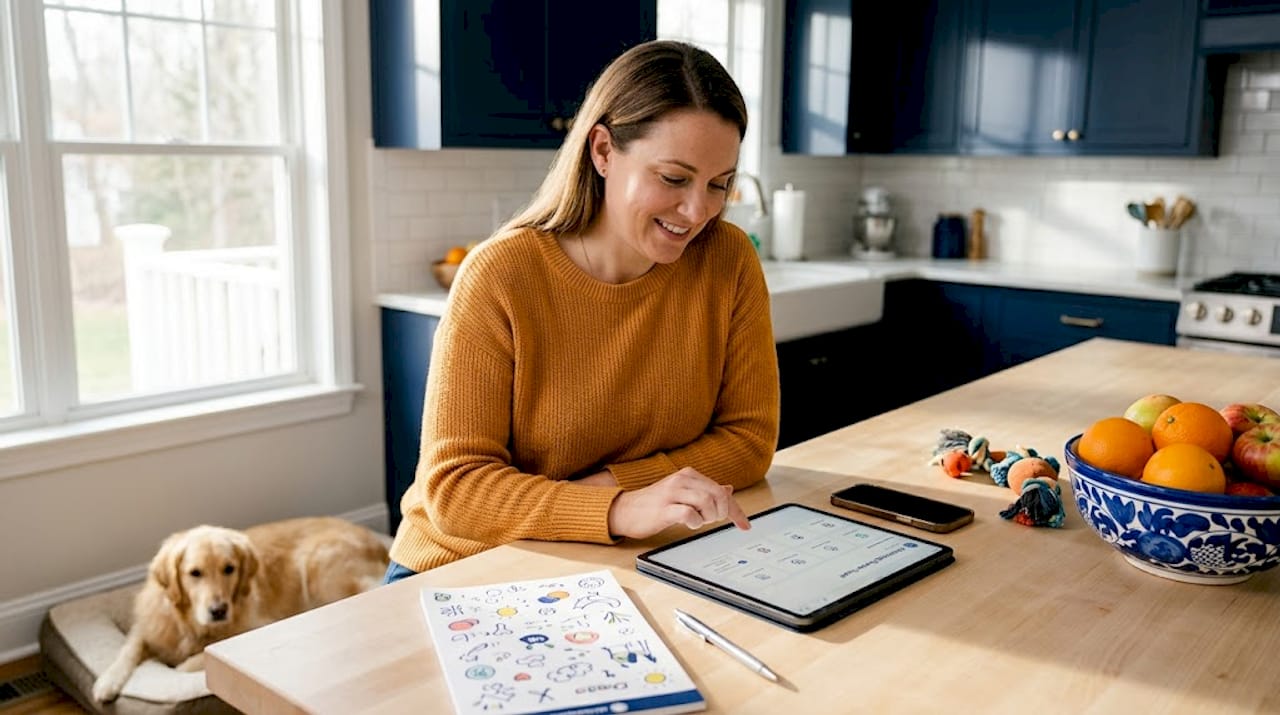
Greenfieldpups serves a broader audience across the United States, giving breeders a tiered listing system that ranges from basic ads to featured placements. It works well if you want visibility without the breed-registration restrictions that more specialized platforms enforce.
Facebook Marketplace has massive reach, but the buyer quality is inconsistent. Buyers there often prioritize price over pedigree, and you will spend more time screening out unsuitable homes. Use it as a supplemental channel, not your primary one.
A few things to look for in any platform:
- Clear policies against puppy mill listings
- Ability to upload multiple photos and videos
- Seller verification or review systems
- Filters that let buyers search by breed, location, and age
Pro Tip: List on two or three platforms simultaneously during your first litter to see which generates the most serious inquiries. Track where your confirmed buyers came from and double down on that channel.
Greenfieldpups also offers a detailed breeder listing guide that walks you through what top marketplaces look for when ranking or featuring ads.
Writing listings that actually convert
A listing is your first impression with every potential buyer. Most listings fail not because of the dog but because of how the dog is presented.
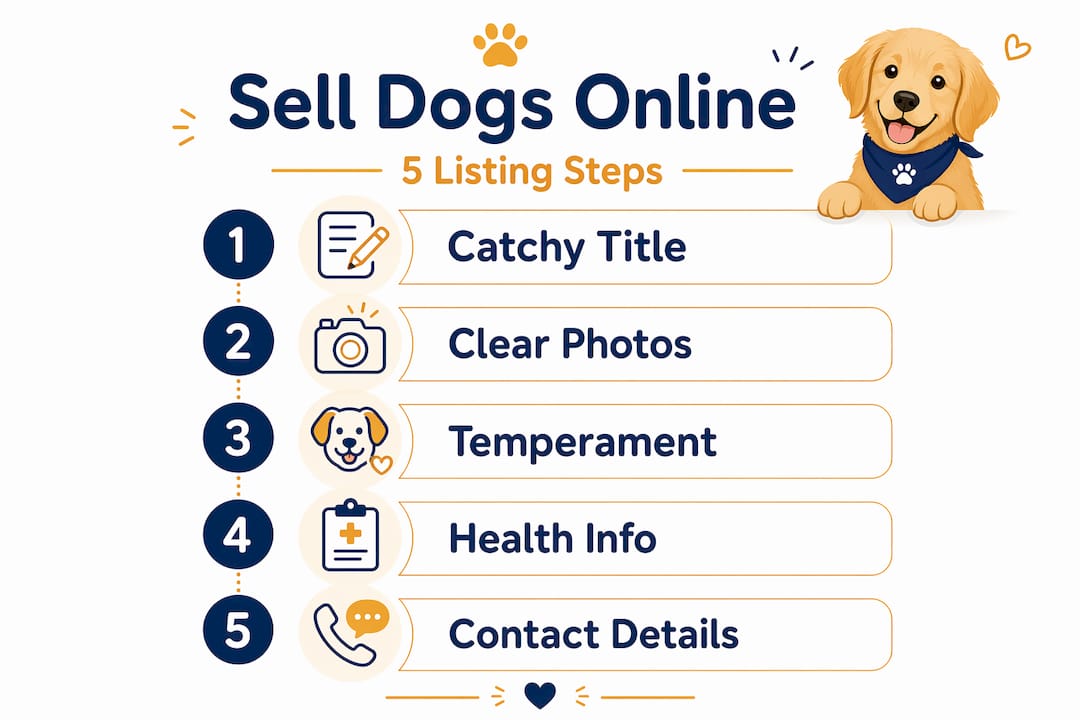
Preparing dogs before listing means health checks, current vaccinations, socialization, and grooming are all in order before photos are taken. Buyers can tell the difference between a puppy photographed in a clean, well-lit environment and one photographed in a dim corner of a garage. That perception directly affects how much trust they extend to you as a seller.
Your listing should include:
- Breed, age, sex, and color
- Registration status and parent details
- Current vaccination and deworming records
- Temperament description based on actual observation
- Any known health screenings completed by a vet
- Your location and pickup or delivery options
The temperament description is the part most sellers rush or skip. Buyers are not just purchasing a dog. They are picturing that dog in their living room with their kids. Write one or two sentences about how the puppy actually behaves. Is it playful and bold, or calm and cuddly? That specificity creates an emotional connection that generic breed descriptions never will.
Photos should show the puppy’s face clearly, at least one full-body shot, and ideally a short 15 to 30 second video of the puppy in motion. Video builds trust faster than photos alone because it is much harder to fake or doctor. For tips on crafting ads that work, Greenfieldpups has a resource on how to advertise puppies with specifics on buyer psychology and listing structure.
Pro Tip: Write your listing as if you are describing the dog to a friend, not writing a product spec sheet. Warmth and honesty convert better than clinical bullet points.
Safe transactions and ethical buyer screening
You would not hand your dog to a stranger without asking a few questions. Selling online should be no different, even when the process feels impersonal.
Ethical online sales require buyer verification, secure payments, complete documentation, and written contracts. Here is a practical process to follow:
- Start with a phone or video call. Text-only communication hides red flags. A short conversation reveals whether the buyer is serious, prepared, and realistic about dog ownership.
- Ask about their living situation. House versus apartment, yard or no yard, children at home, other pets, and daily schedule all affect which puppy is the right fit.
- Use secure payment methods. Bank transfers, PayPal Goods and Services, or verified payment apps with buyer/seller protection work well. Never accept wire transfers from unknown buyers or payments via gift cards.
- Send the contract before any money changes hands. The buyer should read, agree to, and sign the contract before paying a deposit.
- Provide full documentation at pickup. Vaccination records, health certificates, registration papers, and the signed contract should all travel with the puppy.
Asking buyers many questions in return helps match puppies to suitable homes and signals to buyers that you care about where your dogs go. That reputation attracts better buyers over time.
Screening buyers is not about being difficult. It is about being responsible. The few minutes you spend asking the right questions before a sale can prevent years of problems for the dog, the buyer, and you.
For more on this topic, Greenfieldpups covers why screening dog adopters produces better long-term outcomes for everyone involved.
Post-sale follow-up and building long-term trust
The sale does not end at pickup. What happens in the weeks after is what separates forgettable breeders from ones who generate a waitlist.
Post-sale communication and trust-building encourages responsible ownership and can generate referrals and repeat buyers. A few practical steps to build that reputation:
- Send a follow-up message three to five days after the puppy goes home. Ask how the transition is going and offer to answer any questions.
- Provide a short care guide at pickup. Include feeding schedule, vet visit timing, and basic training resources.
- Encourage buyers to register the puppy with the AKC or relevant breed club if applicable.
- Ask satisfied buyers to leave a review on the platform where they found you.
- Stay available for questions during the first month. Most behavioral concerns surface early, and a quick answer from you prevents the buyer from feeling abandoned.
Referrals from happy buyers are the most cost-effective marketing you will ever do. When a buyer tells their neighbor you were the best breeder they have worked with, that neighbor comes to you already trusting your reputation. That is something no paid ad can replicate.
My honest take on selling dogs online
I’ve talked to a lot of breeders who approached online sales the same way they’d approach selling furniture. Post a photo, name a price, wait for inquiries. The ones who stuck with that mindset either burned out from dealing with low-quality buyers or, worse, ended up placing dogs in homes that weren’t ready for them.
What I’ve found actually works is treating the listing as the beginning of a relationship, not a transaction. The breeders I’ve seen succeed long-term invest real time in writing honest listings, asking buyers hard questions, and following up after the sale. They also choose platforms that reflect their values. A breeder producing well-socialized, health-tested dogs does not belong on a platform known for bargain hunters who balk at any price above $300.
The legal side is where I see the most avoidable mistakes. Most small breeders assume that because they only have a few dogs, no rules apply to them online. That assumption is wrong. The moment you list a dog for sale on a website, you have entered a regulated space. Getting your paperwork in order before your first listing is not overcautious. It is just smart.
My overall recommendation: partner with platforms that enforce responsible selling standards, use contracts every time, and never rush a placement to move inventory faster. The dogs depend on you to make the right call.
— Taylor
How Greenfieldpups supports responsible online dog sales
If you’re serious about learning how to sell dogs online the right way, Greenfieldpups is built for exactly that. The platform connects U.S.-based breeders with engaged, genuine buyers and gives you the tools to create listings that stand out.
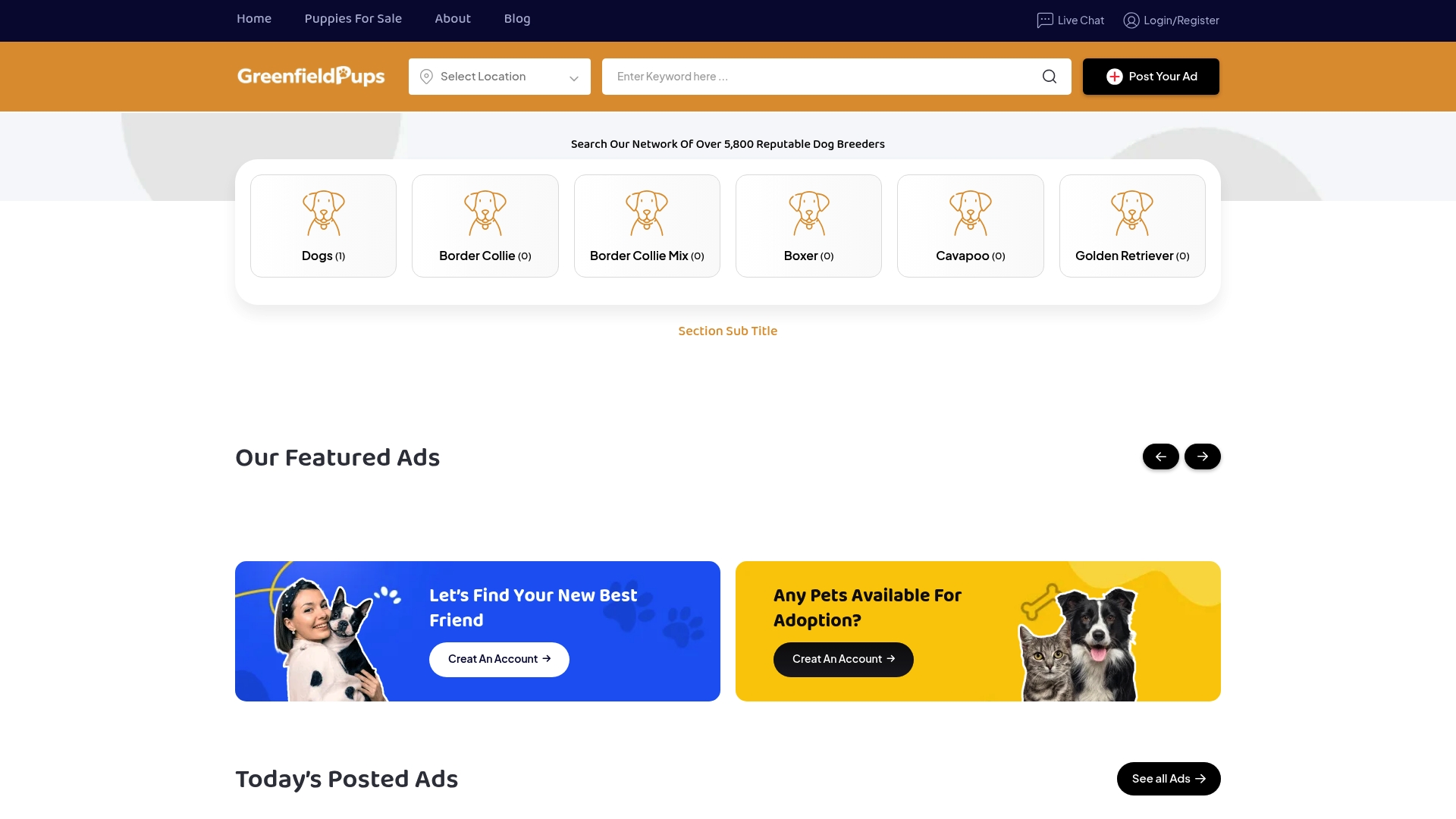
Greenfieldpups offers ethical breeder guidance covering everything from buyer screening practices to health documentation standards. For breeders ready to start listing, the responsible breeding practices resource covers how to prepare your dogs and your operation before your first ad goes live. With tiered subscription plans designed to fit different scales, you get the visibility you need without overpaying. Whether you’re placing your first litter or managing a year-round breeding program, Greenfieldpups gives you the platform and the knowledge to do it well.
FAQ
Do I need a license to sell dogs online?
You need a USDA license if you have more than four breeding females and conduct sight-unseen sales online. Small breeders below that threshold are exempt at the federal level but should still verify state and local requirements.
What counts as a sight-unseen sale?
A sight-unseen sale occurs when the buyer does not physically meet the dog before completing the purchase. Video calls and photos do not qualify as an in-person meeting under USDA rules.
What are the best platforms to sell dogs online?
AKC Marketplace is best for registered purebred dogs, while Greenfieldpups offers broad U.S. reach for all breeds with tiered listing options. Facebook Marketplace works for local rehoming but attracts less serious buyers.
How do I screen buyers when selling dogs online?
Start with a phone or video call, ask about their living situation and experience with dogs, and use a written contract before accepting payment. AKC recommends both asking and answering detailed questions to confirm a good match.
What documents should I provide when selling a dog?
Provide vaccination records, a health certificate from your vet, any registration papers, and a signed breeder contract. Complete documentation protects both the seller and the buyer and signals responsible ownership from the start.
Leave a Comment