

Top tips for choosing a responsible dog breeder
Choosing the right dog breeder can feel overwhelming, especially when so many listings look legitimate at first glance. A poor choice can mean a puppy with hidden health problems, genetic conditions, or a traumatic early life that affects behavior for years. The good news is that responsible breeders follow clear, verifiable patterns. When you know what to look for, the difference between a trusted breeder and a risky one becomes obvious fast. This guide walks you through the exact criteria, questions, and red flags that separate quality breeders from those who cut corners, so you can bring home a healthy, well-adjusted puppy with confidence.
Table of Contents
- Start with recognized affiliations and club standards
- Criteria that set responsible breeders apart
- Contracts, guarantees, and breeder support
- Doing your homework: Site visits and follow-up
- Why trusting your instincts—and the evidence—matters most
- Ready to find your perfect breeder?
- Frequently asked questions
Key Takeaways
| Point | Details |
|---|---|
| Check breeder affiliations | Start with AKC or parent club recommendations for initial credibility. |
| Demand a detailed contract | A clear health guarantee and take-back policy signal professionalism. |
| Expect to be interviewed | Responsible breeders ask you thoughtful questions about your lifestyle. |
| Visit the facility | A site visit helps confirm animal welfare and breeder honesty. |
| Trust evidence and instincts | Combine research with personal impressions to make the best decision. |
Start with recognized affiliations and club standards
With the need for clear guidance in mind, start your search with group affiliations. A breeder’s professional memberships are one of the fastest ways to gauge their commitment to ethical practices. These aren’t just badges. They represent accountability to a community of peers and adherence to written codes of ethics.
The American Kennel Club (AKC) runs several programs that help buyers identify trustworthy breeders. The Breeder of Merit program recognizes breeders who health test their dogs, participate in dog sports or shows, and commit to AKC’s standards. The Bred with H.E.A.R.T. program goes further, requiring health testing, education, accountability, responsibility, and tradition. AKC breeder standards recommend that buyers look for breeders affiliated with AKC parent clubs, Breeders of Merit, or Bred with H.E.A.R.T. programs.
Here’s what these affiliations actually signal:
- AKC parent club membership means the breeder is tied to a breed-specific organization with its own ethical standards
- Breeder of Merit status confirms health testing and active participation in the breed community
- Bred with H.E.A.R.T. adds a layer of ongoing education requirements
- Local kennel club membership shows engagement with a broader dog community
You can verify most of these credentials directly on the AKC website. Search by breed and filter for Breeders of Merit or parent club referrals. Many parent clubs also maintain their own breeder referral lists, which are often more curated than general directories. You can also find breeders listings on platforms that pre-screen for responsible practices.
“Reputable breeders don’t just join clubs to look good. They participate actively, attend events, and hold each other accountable. That community pressure is what keeps standards high.”
Pro Tip: Contact the breed’s AKC parent club directly and ask for their breeder referral list. These lists are typically maintained by volunteers who know the breeders personally, which adds a layer of trust you won’t find in a general web search.
Criteria that set responsible breeders apart
Once you know which affiliations to seek out, the next step is evaluating breeder practices. Credentials matter, but behavior tells the real story. Responsible breeders act differently from irresponsible ones in ways you can observe during your first conversation.
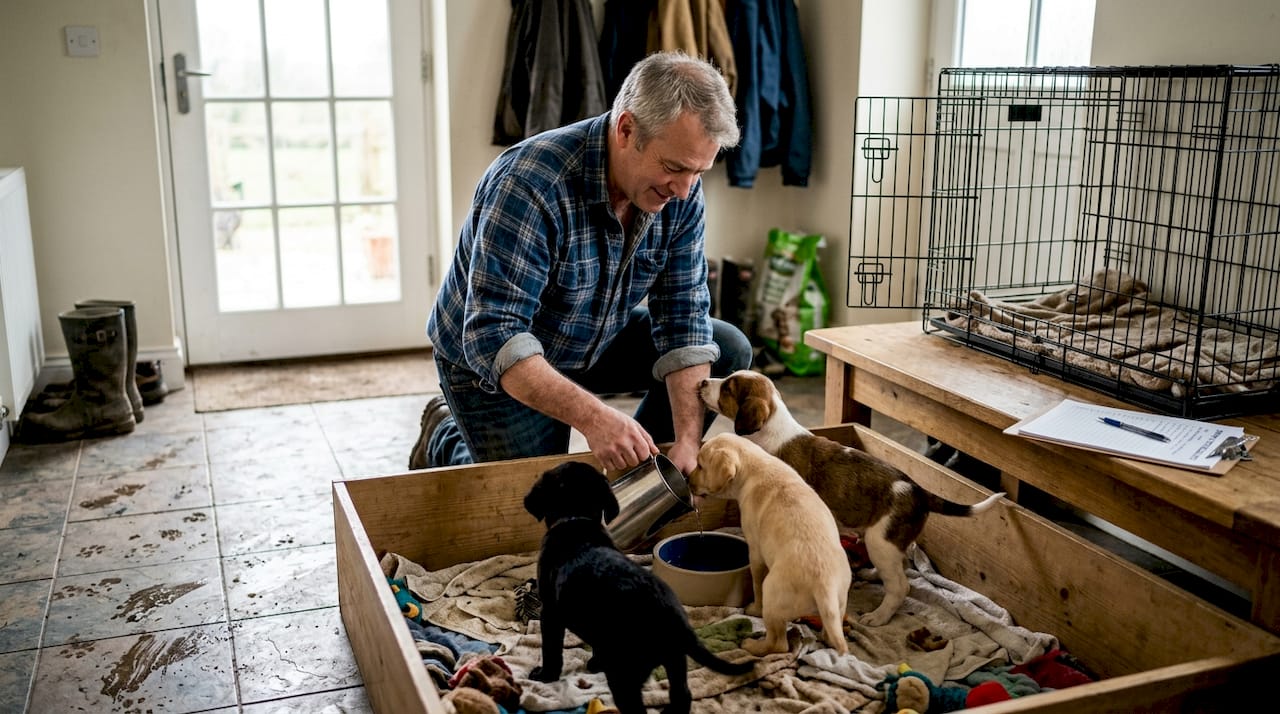
One of the clearest signs of a quality breeder is that they interview you. According to breeder interview questions from AKC, breeders should ask about your home, experience, and lifestyle because they vet buyers carefully. A breeder who sells to anyone without asking questions is a warning sign.
Responsible vs. irresponsible breeders at a glance:
| Factor | Responsible breeder | Red flag breeder |
|---|---|---|
| Breeds offered | 1-2 breeds | Multiple breeds |
| Litter frequency | Infrequent, planned | Frequent, year-round |
| Buyer screening | Interviews you | No questions asked |
| Health testing | Documented results | Verbal claims only |
| Puppy viewing | Invites you to visit | Ships without visit |
| Contract | Written, detailed | None or vague |
Here are the red flags to watch for:
- Puppies always available with no wait list
- Reluctance to show parent dogs or the facility
- Pressure to buy quickly or pay a deposit before you’re ready
- No questions about your living situation or experience with dogs
- Prices that seem unusually low for the breed
You can find more breeder tips on how to read these signals before you commit to a purchase.
Pro Tip: Be ready for an interview. Reputable breeders screen buyers carefully because they care where their puppies end up. If a breeder doesn’t ask you anything, that silence is a red flag, not a convenience.
Contracts, guarantees, and breeder support
Understanding a breeder’s day-to-day approach naturally leads to looking at legal and ethical commitments. A handshake deal is not enough when you’re bringing a living animal into your home. Responsible breeders put everything in writing, and that paperwork protects both you and the puppy.
According to responsible breeder guidelines, buyers should require a contract with a health guarantee, spay/neuter clause if applicable, and a take-back policy. These aren’t optional extras. They’re the baseline for ethical breeding.
What should a solid contract include?
- Health guarantee: Typically covers genetic conditions for 1-2 years
- Spay/neuter clause: Requires altering the dog if not sold for breeding
- Take-back policy: Breeder agrees to take the dog back at any point in its life
- Registration papers: AKC or equivalent documentation included
- Veterinary records: Proof of vaccinations and health checks before pickup
Standard contract terms to expect:
| Contract element | What it means for you |
|---|---|
| Health guarantee | Protection if genetic illness appears early |
| Take-back policy | Security if your life circumstances change |
| Spay/neuter clause | Ensures responsible ownership |
| Registration papers | Confirms purebred lineage |
“A breeder who offers lifetime support isn’t just selling you a puppy. They’re entering a relationship. The best ones check in months later to ask how the dog is settling in.”
Lifetime support from a reputable breeder means you have someone to call when your puppy’s behavior confuses you, when you’re unsure about a health symptom, or if you ever can’t keep the dog. This ongoing relationship is one of the most underrated benefits of choosing a responsible breeder. Explore understanding breeder contracts to learn what terms are negotiable and which ones you should never skip.
Doing your homework: Site visits and follow-up
With contracts in hand, your final due diligence involves seeing things firsthand and getting ongoing support. No amount of online research replaces an in-person visit to a breeder’s facility. What you see, smell, and feel during that visit tells you more than any website or phone call can.
Here’s a step-by-step approach to a productive site visit:
- Schedule in advance and confirm the breeder welcomes visits, not just pickup appointments
- Observe the environment: Is it clean, spacious, and free of strong odors?
- Meet the parent dogs: Are they friendly, healthy, and well-socialized?
- Watch the puppies interact: Do they seem curious and confident, or fearful and withdrawn?
- Ask about socialization: Have the puppies been exposed to different sounds, people, and surfaces?
- Review all paperwork on site: Don’t take verbal promises home without documentation
According to responsible breeder guidelines, reputable breeders breed infrequently, specialize in 1-2 breeds, and provide lifetime support. A facility with dozens of puppies across five breeds is a production operation, not a passion project.
Things to look for during your visit:
- Parent dogs are present and accessible
- Puppies have clean bedding and room to move
- The breeder answers questions without hesitation
- You feel welcome, not rushed
Pro Tip: Ask how often the breeder produces litters and whether they specialize in one or two breeds. A breeder who focuses deeply on a single breed usually knows it far better than someone managing many at once. Use our site visit checklist to make sure you cover every important detail.
After your visit, stay in touch. A good breeder will want updates and photos as your puppy grows. That ongoing relationship is a sign you made the right choice.
Why trusting your instincts—and the evidence—matters most
Having covered every aspect of responsible breeder selection, it’s worth considering another layer of wisdom. Most guides tell you to follow the checklist and trust the credentials. That’s solid advice. But here’s something most articles don’t say: your gut reaction during a breeder visit carries real weight, as long as you’ve done the factual homework first.
Instinct without information is just anxiety. But instinct backed by evidence? That’s a powerful filter. If a breeder checks every box on paper but something feels off during your visit, pay attention to that feeling. Maybe the parent dogs seem nervous. Maybe the breeder deflects certain questions. Maybe the facility looks clean but the energy feels wrong.
On the flip side, even the most credentialed breeder isn’t automatically the right fit for your family. A breeder who specializes in high-energy working dogs may not be ideal if you want a calm companion for apartment living. Read real adopter stories to see how other buyers balanced facts with personal fit.
The best decisions combine both. Use the criteria in this guide to eliminate bad actors, then trust your experience of the breeder as a person. You’re not just buying a puppy. You’re starting a relationship that could last 10-15 years.
Ready to find your perfect breeder?
If you’re ready to start your breeder search, take these tips and move forward with expert resources. Knowing what to look for is only half the work. The other half is finding breeders who actually meet the standard.
At Greenfield Pups, we connect prospective owners with breeders who take their responsibilities seriously. You can browse breeder listings across the country, or narrow your search and find breeders in Pennsylvania if you’re looking locally. Once you’ve found your puppy, don’t forget to get puppy essentials so you’re fully prepared for day one. Every listing on our platform is a step toward a healthier, happier start for your new dog.
Frequently asked questions
How do I know if a breeder is reputable?
Check AKC affiliations, request a written contract with health guarantees, and expect the breeder to interview you carefully. Reputable breeders are affiliated with AKC parent clubs and require a contract with guarantees before placing a puppy.
What should be in a breeder’s contract?
A responsible breeder’s contract should include a health guarantee, a spay/neuter clause if applicable, and a clear take-back or return policy if you cannot keep the dog. These standard contract terms protect both the buyer and the puppy long-term.
Should I visit the breeder in person?
Yes, an in-person visit lets you check cleanliness, meet parent dogs, and verify the breeder’s claims firsthand. Breeders who breed infrequently and specialize in 1-2 breeds are typically more transparent and welcoming of visits.
Do all breeders provide lifetime support?
Responsible breeders often offer guidance and a return policy for your dog’s lifetime, while puppy mills usually do not. A breeder who offers lifetime support and specializes in a small number of breeds is a strong indicator of ethical practice.
Leave a Comment