
How Veterinarians Guide a Healthy Dog Adoption Journey
Most people picture dog adoption as a feel-good moment: you walk in, fall in love, and walk out with a wagging tail. What they miss is everything happening behind the scenes, and everything that needs to happen after. Post-adoption challenges affect 78% of dog adopters, from house soiling to separation anxiety, and most of those challenges trace back to gaps in veterinary support. Veterinarians are the quiet architects of successful adoptions, working before, during, and after placement to protect both you and your new dog. This guide walks you through exactly how they do it.
Table of Contents
- How veterinarians prepare dogs for adoption
- Veterinary protocols that support healthy transitions
- What happens with special needs or chronically ill dogs?
- The veterinarian’s role after adoption: Ensuring lasting bonds
- Why a vet visit is the most underestimated adoption step
- Find your healthy companion and get support every step
- Frequently asked questions
Key Takeaways
| Point | Details |
|---|---|
| Veterinarians enable healthy adoptions | Shelter vets perform health checks, treatments, and preventive care for every adoptable dog. |
| Protocols reduce shelter stays | Spay/neuter surgeries by vets decrease time spent in shelters and speed up animal placements. |
| Transparent health info helps adopters | Vets provide clear records and counsel to ensure adopters are prepared for special needs cases. |
| Post-adoption vet visits are crucial | Visiting your vet soon after adoption prevents or addresses common health and behavior issues. |
How veterinarians prepare dogs for adoption
With adopters eager to welcome a new companion, it’s important to understand how veterinarians create strong foundations before a dog ever leaves the shelter.
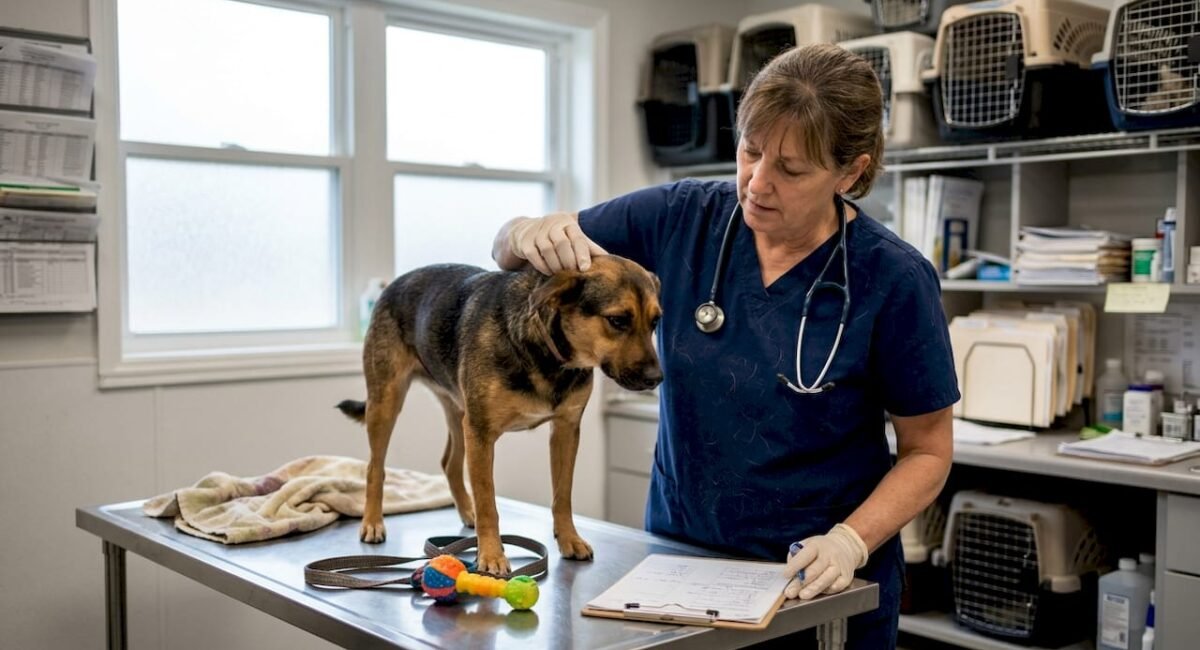
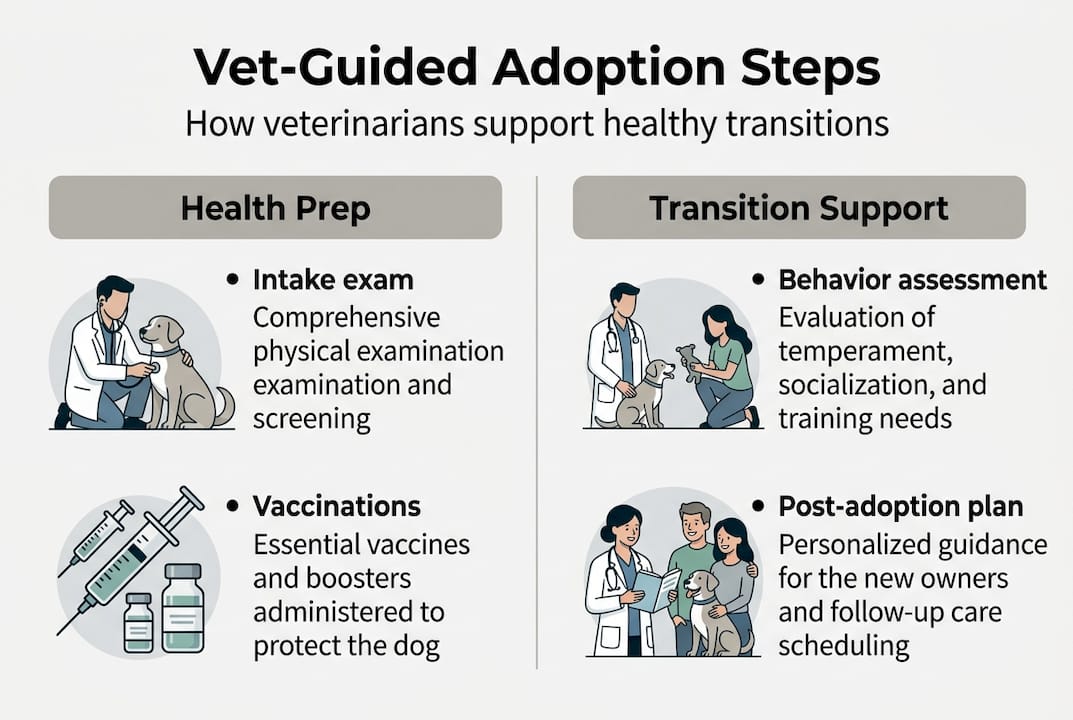
Every dog that enters a shelter gets a full intake health assessment. This isn’t a quick glance. Veterinarians check for injuries, infections, parasites, dental issues, and signs of chronic illness. The goal is to build a complete health picture before the dog interacts with the general population or gets placed for adoption. It’s the kind of thorough baseline that protects both the animal and future adopters.
From there, shelter vets administer vaccinations, deworming treatments, flea prevention, spay or neuter surgeries, and microchipping as part of standard pre-adoption care. Each step serves a specific purpose. Vaccinations protect against diseases like rabies and distemper. Parasite treatments prevent transmission to other animals or humans. Microchipping gives the dog a permanent ID that travels with them for life.
Spaying and neutering deserve special attention. Beyond population control, the data tells a compelling story. Pre-altered dogs spend 4 fewer days in shelters on average, meaning they get adopted faster. That shorter stay also reduces stress and lowers disease exposure, which sets the dog up for a healthier start in your home.
Here’s a quick look at what pre-adoption veterinary care typically covers:
| Service | Purpose |
|---|---|
| Intake health exam | Identifies existing conditions or injuries |
| Vaccinations | Prevents contagious diseases |
| Parasite treatment | Removes fleas, ticks, and internal worms |
| Spay or neuter surgery | Reduces shelter stay and improves behavior |
| Microchipping | Permanent identification for the dog |
Key benefits of thorough pre-adoption vet work:
- Reduces unexpected medical costs after you bring your dog home
- Lowers the risk of transmissible diseases in multi-pet households
- Gives adopters documented proof of the dog’s health status
- Shortens time in the shelter, reducing behavioral stress
Pro Tip: Always ask the shelter for a complete copy of your dog’s medical records at adoption. This paperwork is gold when you visit your own vet for the first time and gives them a clear starting point.
Understanding the dog adoption process from a veterinary angle helps you ask better questions and make smarter decisions before you ever sign paperwork.
Veterinary protocols that support healthy transitions
Once dogs are vetted for adoption, systemic protocols help ensure every animal’s ongoing health and successful transition.
Shelter medicine isn’t just about treating individual animals. It’s about managing the health of an entire population under one roof. Veterinarians design and oversee protocols that govern how diseases are prevented, how sick animals are isolated, and how vaccination schedules are maintained across dozens or hundreds of dogs at once. This population-level thinking is what keeps outbreaks from derailing entire adoption programs.
Shelter vets develop protocols for preventive medicine, disease management, health monitoring, and behavioral rehabilitation. These aren’t informal guidelines. They’re structured systems that every staff member and volunteer follows to protect animal welfare and improve adoption outcomes.
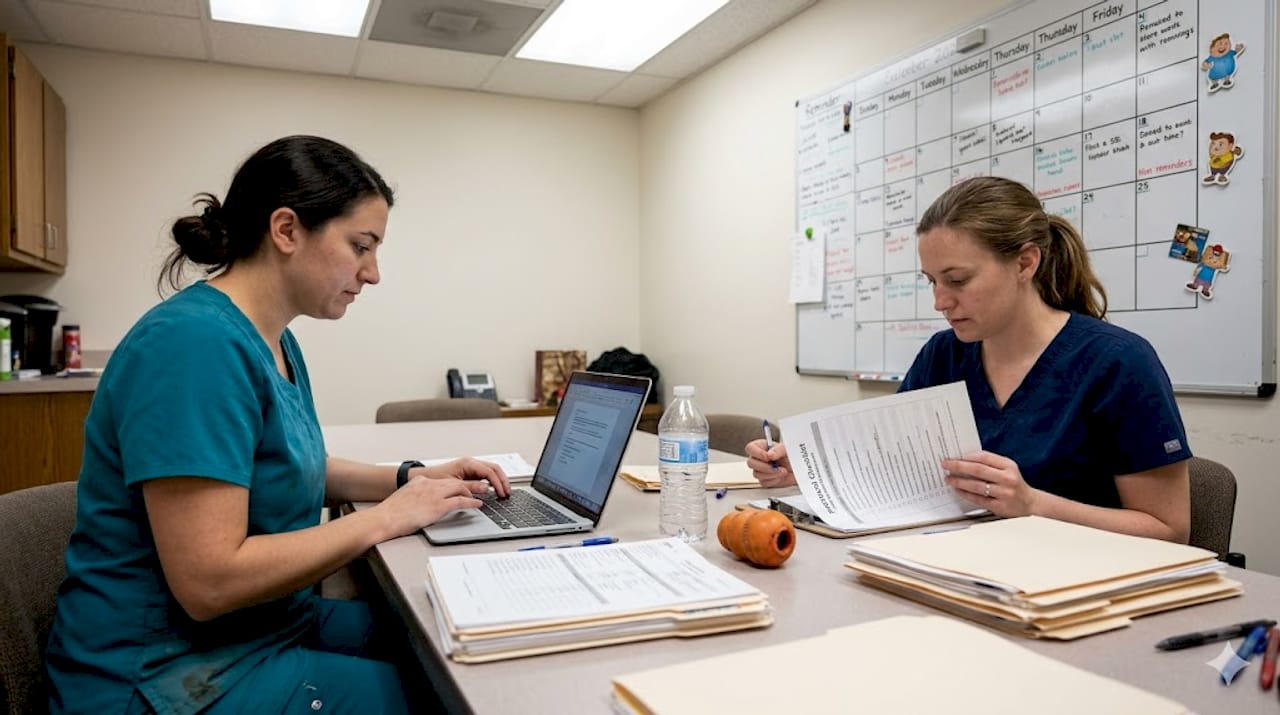
Behavioral health is a big piece of this. Stress is one of the most underestimated threats to a shelter dog’s adoptability. Veterinarians work directly with behavior teams to identify anxiety, fear responses, and stress-related illness. A dog that looks withdrawn or reactive in a kennel may simply be overwhelmed. With the right intervention, that same dog can thrive in a home environment.
Here’s how integrated vet protocols compare to shelters operating without them:
| Factor | With vet protocols | Without vet protocols |
|---|---|---|
| Disease outbreaks | Rare, quickly contained | More frequent, harder to manage |
| Behavioral support | Structured and documented | Inconsistent or absent |
| Adoption readiness | Assessed and documented | Variable |
| Post-adoption issues | Lower likelihood | Higher likelihood |
Steps veterinarians take to support healthy transitions:
- Establish vaccination schedules for every incoming animal
- Create isolation procedures for dogs showing illness symptoms
- Coordinate behavioral assessments with trained staff
- Design post-adoption care plans tailored to individual dogs
- Monitor population health trends to catch problems early
Pro Tip: When you adopt, ask if the shelter has a vet-designed post-adoption care plan for your specific dog. Many do, and it gives you a concrete roadmap for the first weeks at home.
Prioritizing adoption success and animal welfare starts with understanding the systems working in the background long before you meet your new dog.
What happens with special needs or chronically ill dogs?
While most adoptions are straightforward, some require special guidance due to the dog’s health status.
Not every dog in a shelter is perfectly healthy. Some arrive with diabetes, heart conditions, mobility issues, or chronic skin problems. Others have histories of trauma that affect their behavior in lasting ways. Veterinarians play a central role in determining what these dogs need and whether a potential adopter is truly prepared to provide it.
In cases involving chronic or untreatable conditions, shelter vets consult with potential adopters before placement. This means being direct about daily medication needs, expected veterinary costs, mobility limitations, and quality-of-life considerations. It’s not meant to discourage adoption. It’s meant to ensure the match actually works for both the dog and the family.
Some shelters also offer hospice or fospice (foster-to-hospice) adoptions for dogs with terminal diagnoses who are not suffering but have limited time. These programs allow dogs to spend their remaining months in a loving home rather than a kennel. Veterinarians make these placements possible by providing clear prognoses and ongoing support to the adopting family.
Key things veterinarians provide for special needs adoptions:
- Detailed written medical history covering diagnoses, treatments, and medications
- Honest conversations about expected care demands and costs
- Referrals to specialists when the dog’s condition requires advanced care
- Guidance on what symptoms to watch for and when to seek help
- Ongoing availability for questions after placement
“A well-informed adopter is the best advocate a special needs dog can have. Veterinarians make that possible by being transparent, thorough, and available throughout the process.”
If you’re exploring handling pets with health challenges or thinking about adopting dogs with special requirements, going in with realistic expectations and a strong vet relationship makes all the difference.
The veterinarian’s role after adoption: Ensuring lasting bonds
Support from veterinarians doesn’t stop at the shelter door. It extends directly into your home.
The first few weeks after adoption are the most unpredictable. Your dog is adjusting to new smells, new sounds, new routines, and new people. Even a healthy, well-socialized dog can show surprising behaviors during this period. That’s completely normal, but it doesn’t mean you should wait and hope things improve on their own.
Scheduling a vet visit within the first week of adoption is one of the smartest moves you can make. It gives your vet a chance to review the shelter’s records, confirm the dog’s current health status, and catch anything that might have been missed or developed since adoption. It also opens a direct line of communication that pays dividends for years.
78% of dog adopters report facing early behavioral or health challenges, including house soiling, anxiety, and destructive behavior. These aren’t signs of a bad match. They’re signs that the dog needs time, consistency, and sometimes professional guidance.
Steps to take with your vet after adoption:
- Book a wellness exam within the first 7 days
- Share all shelter medical records and ask your vet to review them
- Discuss any behavioral concerns you’ve already noticed
- Get a recommended vaccination and parasite prevention schedule
- Ask about nutrition, exercise, and enrichment for your dog’s specific breed and age
Pro Tip: Keep a simple journal during the first two weeks. Note eating habits, sleep patterns, bathroom frequency, and any unusual behavior. This information is incredibly useful when you talk to your vet and helps them give you more targeted advice.
Veterinary counseling after adoption is one of the most underused resources available to new pet owners. Use it. And if you’re still finding your next pet, knowing what post-adoption support looks like helps you choose a shelter that prioritizes it.
Why a vet visit is the most underestimated adoption step
Beyond the practical steps, it’s worth considering what separates successful adoptions from the rest.
Here’s something most adoption guides won’t tell you: the single biggest predictor of a smooth adoption isn’t the dog’s breed, age, or even temperament. It’s whether the adopter builds a relationship with a veterinarian in the first week. That one action shapes everything that follows.
Many adopters delay that first post-adoption visit because the dog seems fine. That logic is understandable but risky. Dogs are remarkably good at masking discomfort, and early behavioral issues often have physical roots that only a vet can identify. A dog that’s snapping or refusing food might be in pain, not just stressed.
The consensus across ASPCA, ASV, and Merck is clear: integrated veterinary involvement improves adoption outcomes. But resource constraints mean not every shelter can provide the same depth of care. Some operate with part-time vet coverage. Others rely heavily on volunteers. That reality puts more responsibility on you as the adopter to fill any gaps by being proactive, asking questions, and not waiting for a problem to escalate before seeking help.
The adopters who thrive are the ones who treat the vet as a partner, not just a service provider. That mindset shift changes everything.
Find your healthy companion and get support every step
Ready to make informed choices about adoption and set your future pet up for success?
At Greenfield Pups, we connect you with dogs from sources that take animal health seriously. Whether you’re just starting to explore your options or you’re ready to bring a dog home, we make it easy to find the right match.
Browse available dogs for adoption and filter by breed, location, and size to find a dog that fits your lifestyle. Once you’ve found your match, stock up on everything you need from our dog supplies and essentials to give your new companion the best possible start. And if you have questions along the way, our adoption process support resources are here to guide you from first browse to first vet visit.
Frequently asked questions
Why are dogs spayed or neutered before adoption?
Spaying or neutering prevents overpopulation and reduces shelter stay by 4 days on average for dogs, making the adoption process faster and smoother for everyone involved.
What should adopters do if their new dog has health or behavior issues?
Schedule a veterinary check-up right away. Prompt vet visits help identify the root cause of health or behavior challenges quickly, before they become harder to manage.
How do veterinarians help with special needs adoptions?
Veterinarians provide detailed health records and consult directly with adopters to ensure chronic condition details are fully understood before placement, so special needs dogs land in genuinely suitable homes.
Do all shelters follow the same vet protocols before adoption?
Most follow core protocols, but resource limits shape practices across shelters, meaning vet involvement can vary significantly depending on funding and staffing levels.
Leave a Comment