


Why list pets online? Benefits and best practices
Every year, thousands of Americans lose money to pet scams, fall for fake breeders, or end up with sick puppies bought through unregulated channels. The unregulated platforms facilitate scams, benefiting backyard breeders while leaving reputable sellers struggling to compete and buyers left heartbroken. But here’s the good news: the rise of structured, vetted online listing platforms has genuinely changed the game. Whether you’re a breeder looking to connect with the right family or a first-time buyer hoping to find a healthy puppy, knowing how to navigate the digital pet marketplace responsibly can make all the difference.
Table of Contents
- Understanding the online pet listing landscape
- How reputable platforms build trust for buyers and sellers
- Spotting and avoiding scams: Protecting buyers and sellers online
- Applying best practices: How to safely list, buy, or adopt online
- A fresh perspective: Why smart pet listing beats old-school methods
- Explore your next steps with trusted platforms
- Frequently asked questions
Key Takeaways
| Point | Details |
|---|---|
| Trustworthy platforms matter | Verified pet sites reduce scam risks, build confidence, and provide guarantees for buyers and sellers. |
| Safety comes first | Avoid platforms without rigorous vetting and always check for red flags in listings. |
| Digital convenience wins | Online pet listings offer easy updates, mobile access, and affordable ways to reach more buyers or adopters. |
| Best practices yield results | Following expert listing tips ensures safer, happier outcomes for both dogs and owners. |
Understanding the online pet listing landscape
The world of pet sales has shifted dramatically over the past decade. What used to involve newspaper classifieds, word of mouth, and local bulletin boards has moved almost entirely online. Today, buyers expect to scroll through photos, compare breeds, read seller reviews, and send messages all from their phone. This shift has made buying and adopting dogs faster and more convenient, but it has also introduced new risks if you don’t know where to look.
Structured pet listing platforms are different from random social media posts or generic classified sites. They’re built specifically for pet sales and adoptions, with features that streamline every step of the process. A good platform lets you create a listing quickly, upload clear photos, set a price, and manage inquiries from a single dashboard. Many also offer free or low-cost listings that are mobile-optimized, easy to update, and equipped with tools like automated messaging to keep communication flowing without requiring you to be glued to your inbox.
Here’s a look at what modern online pet platforms typically offer compared to informal methods:
| Feature | Reputable online platform | Informal/social listings |
|---|---|---|
| Breeder screening | Yes, often rigorous | Rarely or never |
| Health guarantee support | Common | Almost nonexistent |
| Mobile-optimized listings | Standard | Inconsistent |
| Automated buyer messaging | Available | Manual only |
| Fraud protection | Built in | None |
| Cost to list | Free to low cost | Variable |
| Community trust signals | Reviews, ratings, badges | None |
Key features that set these platforms apart include:
- Breed-specific search tools that let buyers filter by size, temperament, and location
- Daily updated listings so buyers always see current availability
- Account-based seller profiles that build credibility over time
- Inquiry management tools that help sellers respond quickly and professionally
Browsing dog listings on a dedicated platform immediately shows you the difference. The structure alone signals that sellers are serious, and buyers know what to expect. If you’re new to this space, a good pet classifieds guide can walk you through what to look for before you even start searching.
How reputable platforms build trust for buyers and sellers
Trust is the currency of pet sales. Without it, buyers hesitate and sellers struggle to justify their prices. The best online pet platforms understand this and build trust directly into their systems through breeder vetting, health guarantees, and transparent reviews.
Verified platforms screen breeders rigorously, which builds confidence among buyers and attracts people willing to pay fair market prices. This matters enormously. When a platform requires breeders to submit documentation, pass annual reviews, and meet health standards, buyers can approach listings with genuine peace of mind rather than guesswork.
Here’s how the vetting process typically works on a reputable platform:
- Application submission: Breeders apply and provide documentation including breeding history, veterinary records, and facility information.
- Background and credential review: The platform verifies that the breeder meets ethical standards and complies with local laws.
- Facility or reference checks: Some platforms conduct virtual or in-person inspections to confirm living conditions and breeding practices.
- Health guarantee requirements: Breeders must commit to specific health guarantees, often covering genetic conditions for a defined period.
- Annual renewal: Listings and breeder accounts are reviewed regularly to ensure ongoing compliance.
- Buyer feedback loops: Verified reviews from actual buyers help surface any concerns and reward consistently ethical sellers.
Compare this to posting on a random classifieds site, where anyone can list a puppy with zero accountability. The contrast is striking.
| Trust factor | Reputable platform | Unvetted site |
|---|---|---|
| Breeder credentials verified | Yes | No |
| Health guarantee | Required | Optional or absent |
| Annual review | Common | Never |
| Buyer reviews visible | Yes | Sometimes |
| Dispute resolution support | Available | None |
For sellers, being listed on a reputable platform isn’t just about ethics. It’s a business advantage. Buyers searching for a specific breed are far more likely to pay a fair price when they trust the seller. Following solid dog breeder listing tips can help you create a profile that converts browsers into confident buyers.

Pro Tip: If you’re a buyer, always check whether the platform publicly displays breeder credentials and health guarantee terms before you contact a seller. Platforms that hide this information are waving a red flag.
Knowing how to find reputable breeders and understanding what choosing responsible breeders actually involves will save you from expensive, heartbreaking mistakes.
Spotting and avoiding scams: Protecting buyers and sellers online
Scams in the pet world are more common than most people realize. According to the Animal Legal Defense Fund, 41% of puppy scams originate on social media, while unregulated platforms like Craigslist are frequently used to skirt pet sales bans through “rehoming” language. Worse, 63% of Better Business Bureau complaints related to online pet sales point to inadequate vetting as the root cause.
“Unregulated platforms facilitate scams, benefiting backyard breeders but harming reputable sellers and increasing disputes.” — Animal Legal Defense Fund
These numbers aren’t meant to scare you away from online listings entirely. They’re meant to help you use them smarter. The key is knowing what to look for.
Red flags for buyers:
- The seller only offers to ship the dog, with no option for an in-person meeting or video call
- Communication is limited, vague, or shifts to a personal email address quickly
- Payment is requested via wire transfer, Zelle, or gift cards rather than secure platforms
- Prices are suspiciously low compared to the breed’s typical market value
- No vet records, vaccination history, or microchip documentation is provided
- Photos look stock or are used across multiple listings from different “sellers”
Red flags for sellers:
- Buyers offer to overpay and ask you to send back the difference
- Buyers push for shipping without any direct communication
- Requests for your personal banking or financial information early in the conversation
- Pressure to complete the sale before you’ve had a chance to screen the buyer properly
The best defense against scams is choosing the right platform in the first place. Platforms that require vet records and microchip documentation as part of every listing add a layer of accountability that bad actors simply can’t fake easily. When choosing secure websites for your pet search or sale, look specifically for these safeguards. Exploring website alternatives that prioritize safety over convenience is almost always worth the extra step.
Applying best practices: How to safely list, buy, or adopt online
Now that you understand the landscape and the risks, let’s talk about what actually works. Whether you’re selling a litter, buying your first puppy, or adopting a rescue, these steps will help you get the most out of online listings while staying safe.
For breeders and sellers:
- Choose a platform with verified breeder standards. Don’t just go where there’s the most traffic. Go where the platform actively protects both buyers and sellers.
- Write detailed, honest listings. Include the dog’s breed, age, weight, health history, vaccination status, and temperament. More information builds more trust.
- Upload high-quality, original photos. Show the dog in natural lighting, from multiple angles. Include photos with the puppy’s parents if possible.
- Set a fair, researched price. Look at comparable listings for your breed and region. Pricing too low attracts scammers; pricing too high without justification turns away serious buyers.
- Keep listings updated. Mark puppies as sold promptly and refresh photos as your litter grows. Outdated listings waste everyone’s time and hurt your credibility.
- Respond promptly. Use automated messaging tools when you’re unavailable, and aim to answer real inquiries within 24 hours.
For buyers and adopters:
- Start with a reputable, breed-specific platform. Narrow your search by breed, age, and location before comparing individual listings.
- Verify seller credentials independently. Ask for vet records, microchip numbers, and vaccination documentation before committing.
- Request a video call or in-person visit. Any legitimate breeder will welcome this. Anyone who refuses should be disqualified immediately.
- Use secure payment methods. Credit cards and verified payment platforms offer buyer protection that wire transfers simply don’t.
- Read the health guarantee carefully. Know exactly what is covered, for how long, and what the process is if something goes wrong.
The convenience of listing online with free or low-cost, mobile-optimized tools means there’s really no reason to rely on unstructured channels anymore. Understanding the full scope of pet adoption benefits can also help buyers feel confident choosing adoption alongside purchasing from a verified breeder.
Pro Tip: Before finalizing any transaction, run a reverse image search on the puppy photos. Scammers often steal images from legitimate breeders and reuse them across multiple fake listings.
A fresh perspective: Why smart pet listing beats old-school methods
Here’s something worth saying out loud: the old way of buying and selling dogs was never as safe or reliable as people like to remember. Word-of-mouth recommendations led to plenty of backyard breeders getting business. Local classifieds had zero accountability. And the “go see the dog in person” advice, while still valid, doesn’t protect you from a well-presented bad actor with a clean facility and forged papers.
The real shift that online platforms have brought isn’t just convenience. It’s documented accountability. When a breeder’s profile has 47 verified reviews, a four-year account history, and a linked vet practice, that’s a level of transparency that no handshake deal at a farm ever offered. Smart buyers and sellers are learning to treat that documentation as the baseline, not the bonus.
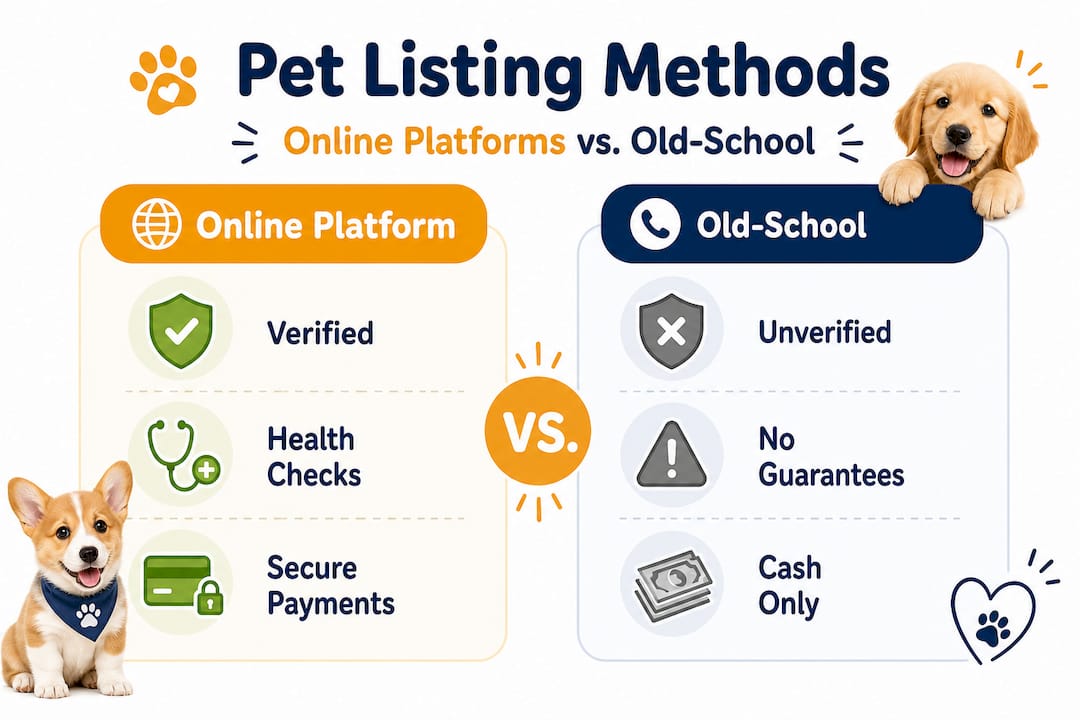
There’s also a bigger picture here. When buyers consistently choose verified platforms over sketchy social media ads, they financially reward ethical breeders and starve out the ones cutting corners on health and care. It’s market pressure that actually works. Every purchase from a screened breeder on a reputable platform is a vote for higher standards across the industry.
We’ve seen it firsthand: listings on quality online dog listings platforms consistently result in better matches between families and dogs, fewer returns, and fewer post-purchase health complaints. The data supports it, and the human stories confirm it.
The uncomfortable truth most people skip over is this: the platform you choose says as much about your values as the breeder you select. Choosing convenience over accountability has real costs, and they’re usually paid by the dog.
Explore your next steps with trusted platforms
If this guide has you ready to take action, you’re in the right place. Whether you’re a breeder who wants to list responsibly or a buyer looking for a dog you can trust, the next step is knowing where to go.
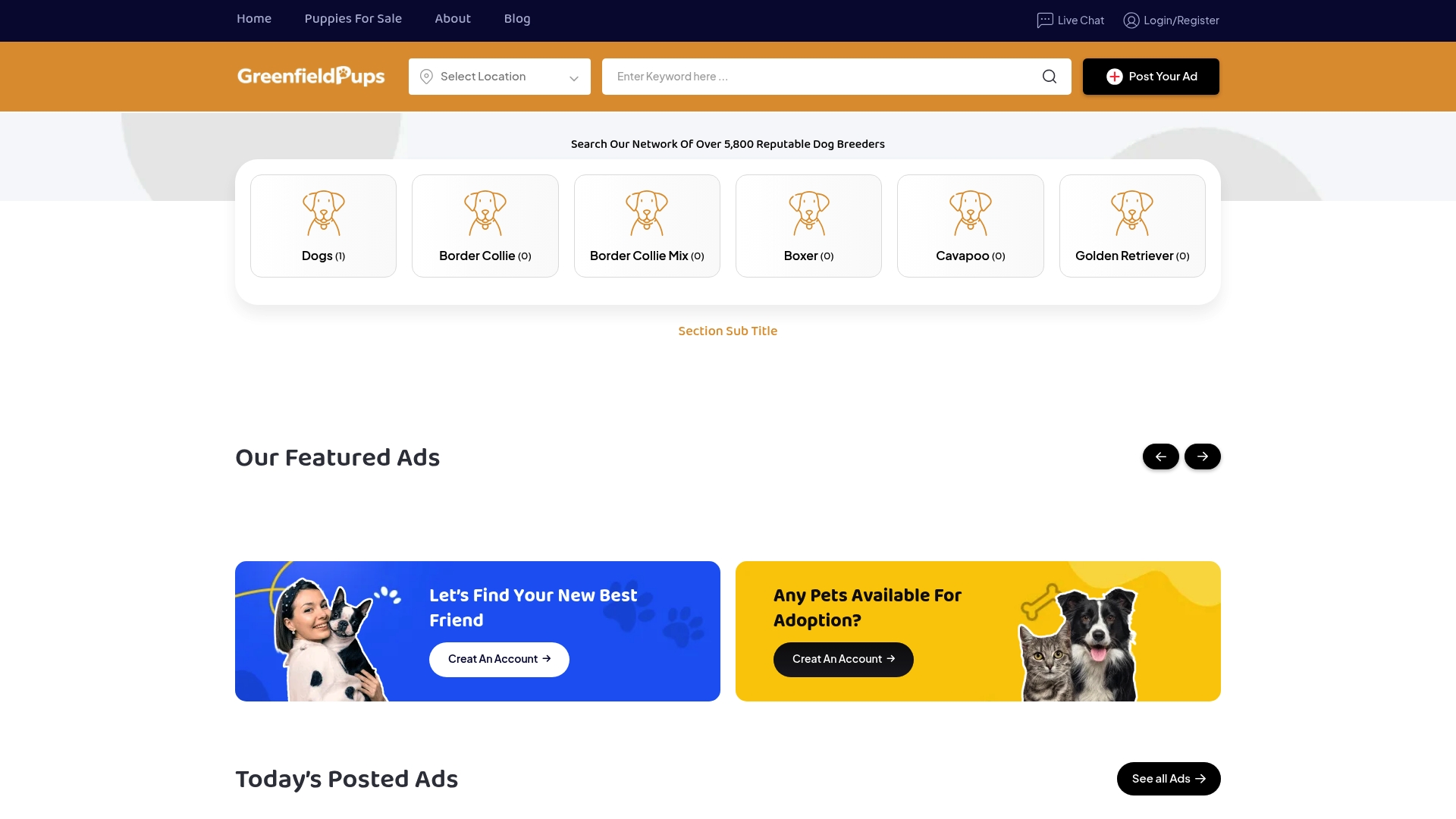
Greenfield Pups makes it easy to connect with verified breeders, browse breed-specific listings, and find trusted dogs available across the United States. From understanding breeder best practices to navigating the full pet adoption guide, we offer resources that go beyond the listing itself. Browse our pet classifieds and take the guesswork out of finding your next dog. The right match is out there, and the right platform makes finding it a whole lot safer and more rewarding.
Frequently asked questions
Are online pet listings safe for buyers and sellers?
Listings on verified platforms are generally safe, but unregulated platforms facilitate scams that harm both buyers and reputable sellers; always confirm vetting standards and guarantees before engaging.
What features make reputable pet listing sites stand out?
Rigorous breeder screening, health guarantees, and mobile tools are the core differentiators; verified platforms screen breeders in ways informal sites simply don’t.
How do I spot a scam on an online pet listing?
Watch for shipping-only deals, limited contact, and wire or gift card payment requests; always ask for vet records and microchip proof, as red flags like these are consistent across most pet scams.
Is it cheaper to list pets online than through traditional methods?
Yes. Free or low-cost listings with mobile optimization and automated tools make online platforms far more affordable than traditional classified ads or agency fees.
Leave a Comment