

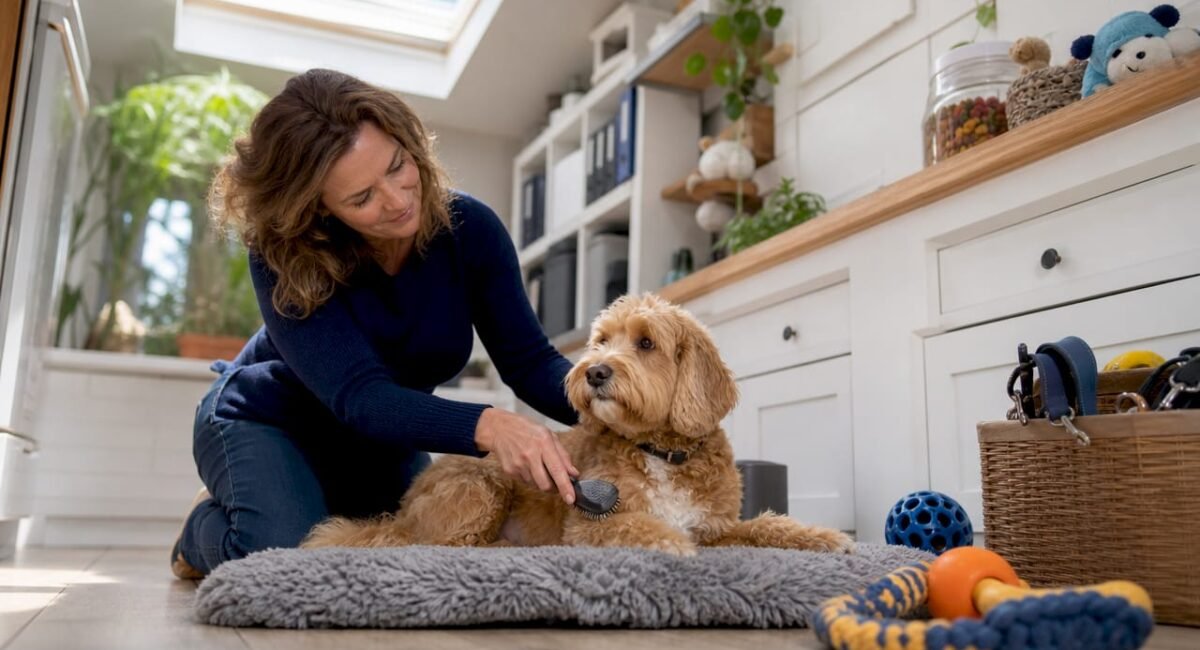
Dog Selling Guide: Responsible Steps for Every Seller
Selling a dog responsibly is defined as a process that combines health preparation, honest marketing, thorough buyer screening, and secure transaction practices to place each dog in the right home. This is not simply a transaction. It is a commitment to the dog’s long-term welfare. Whether you are a breeder rehoming a litter or an owner finding a new family for a beloved pet, the steps you take before, during, and after the sale determine the outcome for the animal. Greenfieldpups connects sellers with serious buyers across the United States, and the best results consistently come from sellers who follow a structured, ethical process from day one.
What does a complete dog selling guide cover?
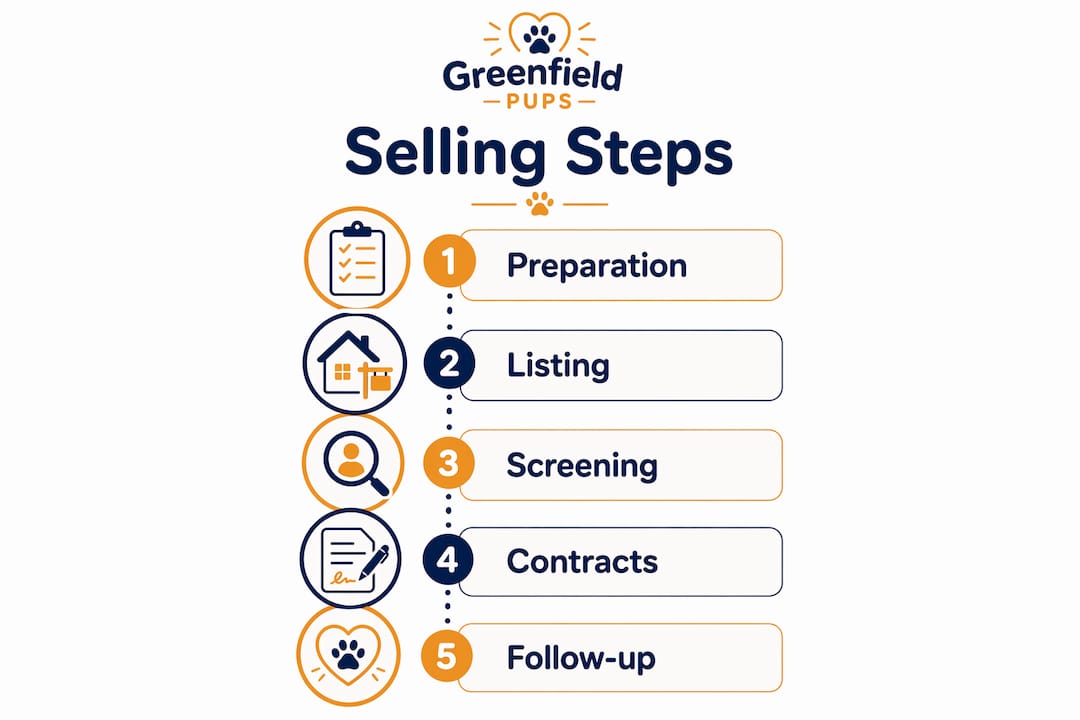
A responsible dog selling process covers six core areas: preparation, documentation, listing quality, buyer screening, transaction safety, and post-sale support. Sellers who skip any of these steps face higher rates of failed placements, disputes, and dogs returned or abandoned. The goal is not the fastest sale. The primary goal is matching each dog with a suitable, loving home. That principle shapes every decision in this guide.
How to prepare your dog and paperwork before listing
Preparation is the foundation of every successful sale. A dog that arrives at its new home healthy, clean, and documented builds immediate trust with the buyer and reduces the chance of disputes later.
Health checks and veterinary records
Schedule a vet visit before you list. Confirm vaccinations are current, document spay or neuter status, and request a written health certificate. Buyers expect this paperwork, and sellers who provide it upfront signal credibility. Pricing dogs fairly based on breed, age, health, and care investment attracts serious buyers and speeds up the sale. Overpricing deters interest; underpricing attracts uncommitted owners who may not provide proper care.
Building a puppy pack or welcome kit
A welcome kit dramatically improves the buyer’s first experience. Including a familiar-smelling toy or blanket and a detailed medical folder reduces puppy stress and builds buyer confidence. Pack the kit with vaccination certificates, a feeding schedule, the dog’s favorite toy, and a small supply of current food to avoid digestive upset from sudden diet changes.
Key items to include in a welcome kit:
- Current vaccination certificate and vet contact details
- Feeding schedule with brand and portion sizes
- A toy or blanket with the dog’s familiar scent
- Notes on personality, quirks, and daily routine
- Any training records or behavioral assessments
Pro Tip: Write a one-page personality profile for the dog. Include favorite games, fears, and daily habits. Buyers who receive this feel prepared and are far less likely to return the dog.
Honest, detailed descriptions of the dog’s temperament also matter at this stage. Note energy level, compatibility with children or other pets, and any known behavioral traits. Sellers who document these details honestly protect themselves from future disputes and help buyers make informed decisions.
How to write a listing that attracts serious buyers
A weak listing wastes time and draws the wrong inquiries. Listings with high-quality, natural-light photos from multiple angles and detailed, honest descriptions sell dogs more efficiently than sparse or vague ads. Every listing should include the dog’s name, age, breed, gender, vaccination status, spay or neuter status, and personality traits.
Photo tips that increase buyer inquiries
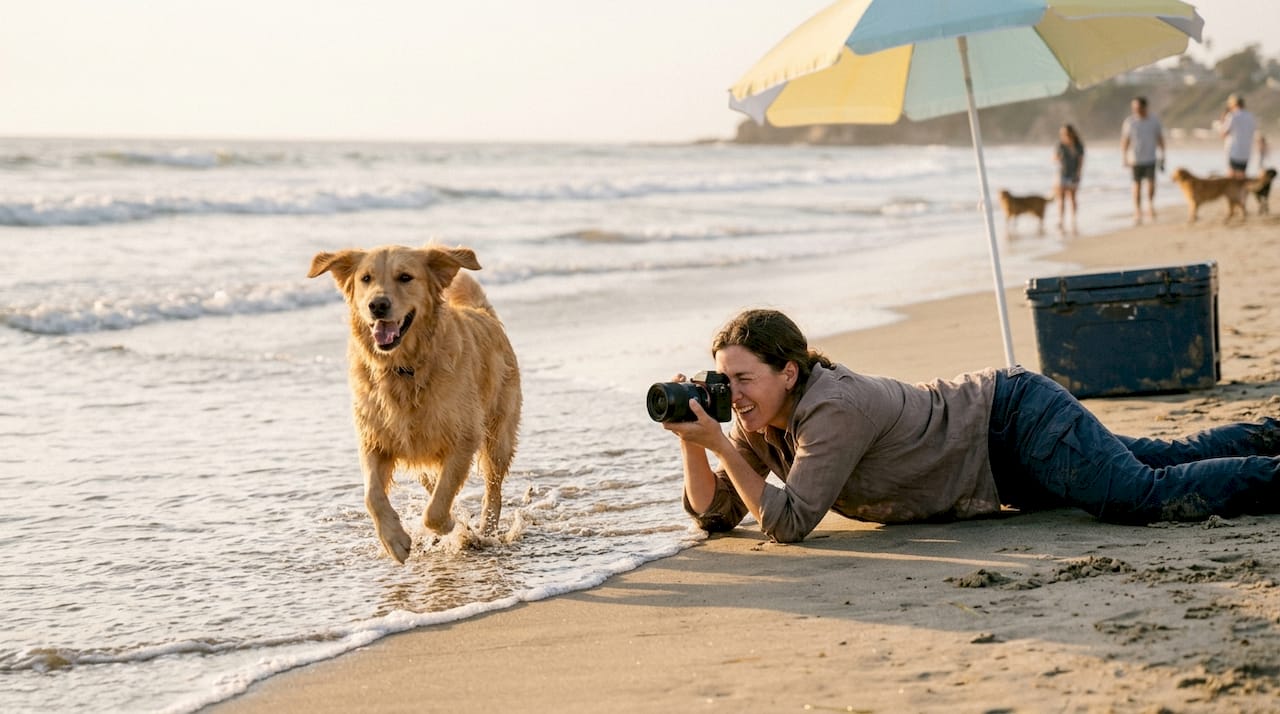
Good listing photos include face shots, profile views, and action shots that show personality, size, and movement. Shoot in natural outdoor light, avoid cluttered backgrounds, and take at least six to eight photos. Video clips of the dog playing or interacting with people add significant value and answer questions buyers would otherwise ask by phone.
For a detailed breakdown of how to craft a listing that converts browsers into buyers, the Greenfieldpups guide on creating a pet ad covers photo composition, description structure, and trust signals in depth.
Choosing the right platforms
Online platforms differ in audience and policies, and using multiple platforms increases visibility and the chance of finding the right buyer. The table below compares the main platform categories by reach, audience quality, and key considerations.
| Platform type | Audience quality | Key consideration |
|---|---|---|
| Specialized pet marketplaces | High. Buyers are actively searching for dogs | Policies vary; some require breeder verification |
| General classifieds | Mixed. High volume but lower buyer commitment | Higher risk of scams and low-quality inquiries |
| Social media groups | Variable. Local reach can be strong | Limited buyer vetting; privacy concerns |
| Breed-specific forums | High. Buyers know the breed well | Smaller audience; longer time to sale |
Pro Tip: List on at least two platform types simultaneously. A specialized pet marketplace like Greenfieldpups reaches committed buyers, while a local social media group can generate fast local interest.
Legal requirements such as breeder licenses vary by location and number of dogs sold. Research your state and county rules before posting. Ignoring local regulations can result in fines or legal challenges that derail the sale entirely.
How to screen potential buyers before you commit
Buyer screening is the step most sellers rush, and it is the step that most directly affects the dog’s welfare. Screening buyers through conversations about experience and lifestyle leads to better long-term placements than quick sales driven by the first inquiry.
Ask every potential buyer these questions:
- Have you owned a dog before? What happened to that pet?
- Who lives in your home, and are there young children or other animals?
- Do you rent or own? Does your landlord allow dogs?
- How many hours per day will the dog be alone?
- What is your plan for training and veterinary care?
- Why do you want this specific breed or dog?
Vague or evasive answers to any of these questions are a red flag. Buyers who cannot explain their living situation or prior pet history deserve a follow-up conversation before you proceed.
Why a rehoming fee protects the dog
Setting a reasonable rehoming fee deters malicious buyers and confirms financial commitment. Free listings attract individuals who may want dogs for fighting rings, illegal breeding, or laboratory use. A fee does not need to be large. Even a modest amount filters out opportunistic inquiries and signals that the buyer values the animal. For sellers who want to support animal welfare beyond their own placement, donating to local animal shelters is a meaningful way to extend that commitment.
Pro Tip: Require a non-refundable deposit to hold the dog. This confirms buyer intent and gives you grounds to move to the next applicant if the buyer backs out.
Use a written adoption contract that includes a return clause requiring notification if the buyer can no longer keep the dog. Contracts with these clauses provide a safety net against abandonment and give you the right to reclaim the dog rather than have it surrendered to a shelter.
Finalizing the sale: legal, ethical, and practical steps
The final stage of the sale requires documentation, safe logistics, and a clear handover process. Sellers who skip written records expose themselves to disputes over payment, health claims, and ownership.
Key steps to complete before and during the handover:
- Provide a dated, written receipt that details the dog’s name, breed, age, microchip number, sale price, and both parties’ contact information
- Avoid accepting cash without documentation, even in private sales
- Use secure payment methods such as bank transfer or verified digital payment apps
- Meet buyers in a safe public space or at your home with another adult present
- Confirm the buyer has transport that is safe and appropriate for the dog
- Hand over all original documents: vaccination records, health certificates, registration papers, and the welcome kit
Provide a follow-up contact window of at least two weeks after the sale. Buyers who can reach you with questions are far less likely to return the dog out of frustration or confusion. This ongoing support also protects your reputation as a responsible seller.
Common challenges in dog selling and how to handle them
Every seller encounters obstacles. Knowing them in advance reduces the chance of a poor outcome.
- Scams: Buyers who offer to pay more than the asking price, request wire transfers, or refuse to meet in person are almost always fraudulent. Decline immediately and report the inquiry to the platform.
- Multiple interested buyers: Rank applicants by screening score, not by who contacted you first. The best home matters more than the fastest response.
- Ethical pressure: Sellers sometimes feel guilt about charging a fee or turning down a buyer who seems enthusiastic. Enthusiasm does not equal suitability. Stick to your screening criteria.
- Slow sales: A listing that generates no serious inquiries usually has a photo or description problem, not a price problem. Revisit the listing before dropping the price.
“The reputation you build as a seller follows you. One careless placement can define how buyers and platforms treat you for years.”
Maintaining your seller reputation requires consistency. Respond to all inquiries promptly, be honest about the dog’s history, and never misrepresent health or temperament. Sellers who operate this way build a track record that attracts better buyers over time.
Key takeaways
Responsible dog selling requires preparation, honest listings, structured buyer screening, and documented transactions to protect both the dog and the seller.
| Point | Details |
|---|---|
| Prepare before listing | Complete vet checks, gather records, and build a welcome kit before posting any ad. |
| Write detailed listings | Include breed, age, health status, and personality traits alongside high-quality photos. |
| Screen every buyer | Ask structured questions about lifestyle, experience, and living situation before committing. |
| Charge a rehoming fee | A fee filters out malicious inquiries and confirms buyer commitment to the dog. |
| Document the transaction | Use a written receipt, a signed contract, and a return clause to protect all parties. |
What I’ve learned from watching sellers get this wrong
Most sellers focus entirely on the listing and ignore the handover. I have seen beautifully photographed ads with detailed descriptions fall apart at the final step because the seller met a stranger alone, accepted cash with no receipt, and handed over the dog with no contract. The buyer disappeared, the dog ended up in a shelter three months later, and the seller had no legal recourse.
The screening conversation is where the real work happens. A buyer who hesitates when you ask about their landlord’s pet policy, or who cannot name a vet they plan to use, is telling you something. Most sellers interpret hesitation as shyness. It is usually avoidance.
Upfront honesty from the seller also matters more than most guides acknowledge. Disclosing a known behavioral issue before the sale, rather than hoping the buyer won’t notice, preserves trust and prevents returns. Buyers who feel deceived do not stay quiet. They post reviews, file complaints, and warn other buyers on the same platforms you rely on.
The sellers I have seen succeed long-term treat every placement as a reputation event. They know that one great match generates referrals. One bad placement generates problems that take years to undo.
— Taylor
Greenfieldpups: resources for responsible dog sellers
Greenfieldpups supports sellers at every stage of the process, from crafting listings that attract committed buyers to understanding the ethical responsibilities that come with selling dogs.
Sellers who want to understand the full scope of their role will find the Greenfieldpups guide on breeder ethics and responsibilities an authoritative reference. For those ready to list, the dog breeder listing guide explains how to get noticed on top marketplaces and reach buyers who are genuinely prepared to provide a good home. Greenfieldpups also offers tiered listing plans that give sellers the visibility they need without overcomplicating the process.
FAQ
What documents do I need to sell a dog?
You need a current vaccination certificate, a vet-issued health certificate, and a written sale receipt that includes the dog’s breed, age, microchip number, and payment terms. A signed adoption contract with a return clause is also strongly recommended.
How do I price a dog for sale?
Price based on breed, age, health status, and the cost of care you have invested. Overpricing deters buyers; underpricing attracts uncommitted owners who may not provide proper care.
What questions should I ask a potential buyer?
Ask about prior pet ownership, household composition, living situation, daily schedule, and plans for training and veterinary care. Vague or evasive answers are a clear warning sign.
Is a rehoming fee necessary even if I am not a breeder?
A rehoming fee is recommended for all sellers, not just breeders. Free listings attract malicious actors, including individuals seeking dogs for fighting or illegal use, so even a modest fee provides meaningful protection.
What should I do if a buyer seems suspicious?
Decline the inquiry immediately. Buyers who offer to overpay, refuse to meet in person, or request unusual payment methods are almost always attempting fraud. Report the contact to the platform where you listed the dog.
Leave a Comment