

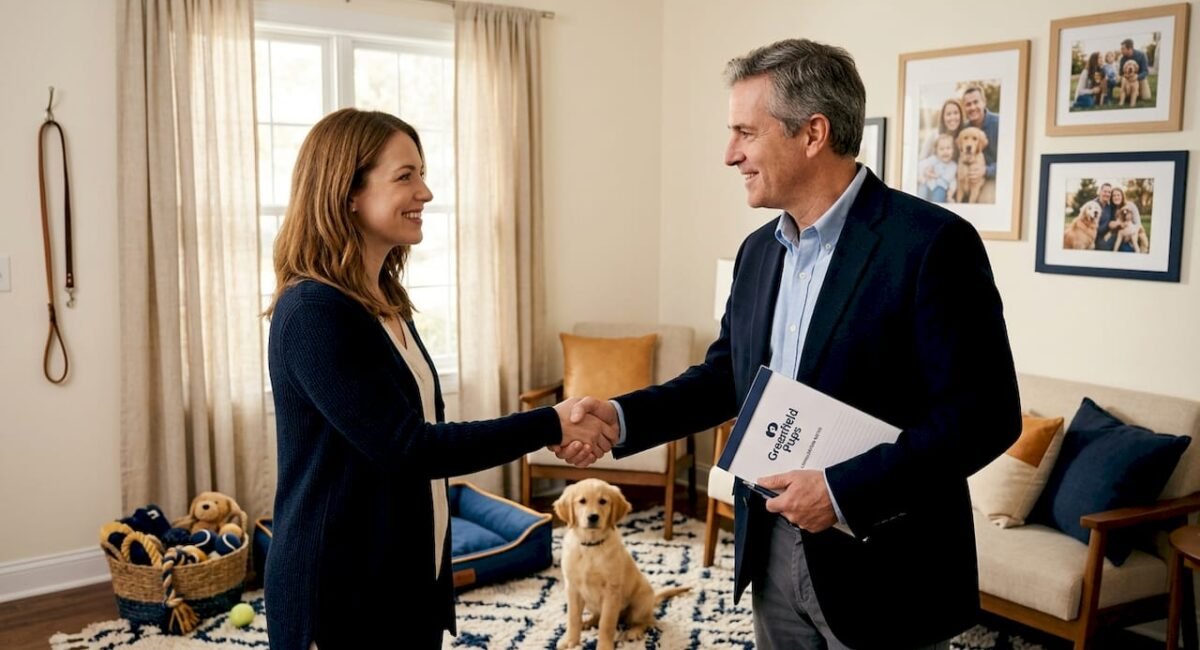
Why Meet the Breeder Before Buying a Puppy
Most people research their next dog the same way they shop for electronics: read reviews, scroll through photos, compare prices. But knowing why meet the breeder in person matters is the difference between going home with a healthy, well-socialized puppy and spending years managing preventable health or behavioral problems. A polished listing tells you almost nothing. The breeder’s home, their dogs’ behavior, and the conversation you have in person tell you almost everything.
Table of Contents
- Key takeaways
- Why meet the breeder: the verification you can’t skip
- Responsible breeders vs. sellers: how meetings reveal the difference
- What to observe and ask during a breeder visit
- When you can’t visit in person
- Building a lasting relationship with your breeder
- My take on what meeting breeders actually changes
- Find responsible breeders with Greenfieldpups
- FAQ
Key takeaways
| Point | Details |
|---|---|
| Photos don’t reveal everything | Only an in-person visit exposes living conditions, real temperament, and document authenticity. |
| Responsible breeders welcome visits | Breeders who resist visits or rush deposits are a clear warning sign of unethical practices. |
| The dam’s behavior is a health signal | Observing the mother with puppies gives direct insight into socialization quality and breeding standards. |
| Meetings build lifelong support | The breeder you meet becomes your go-to resource for training, health questions, and emergencies. |
| Virtual tools are secondary, not sufficient | Video calls and documents help when visits aren’t possible, but they cannot replace in-person verification. |
Why meet the breeder: the verification you can’t skip
Meeting a breeder in person is the industry’s standard due diligence step. It’s how experienced buyers separate credible breeders from sellers who rely on polished presentations to hide problems. In-person visits reveal conditions not visible through photos or listings, including cleanliness, animal behavior, and breeder transparency.
When you walk into a breeding facility, you pick up on things no photo captures. Does the space smell clean? Are the dogs calm and curious, or are they anxious and cowering? Are puppies interacting normally with humans? These are sensory and behavioral cues that photos, videos, and AI-generated listing content simply cannot replicate.
Here’s what specifically to watch during your first visit:
- Living conditions: Kennels and whelping areas should be clean, spacious, and free from strong ammonia odors. Food and water should be fresh and readily available.
- Dog body language: Well-socialized puppies approach visitors with curiosity. Fearful or overly aggressive behavior at a young age signals poor socialization or stress.
- Breeder demeanor: A confident, knowledgeable breeder answers questions directly and doesn’t deflect or rush you.
- Document authenticity: Health certificates, vaccination records, and registration papers should be present, current, and consistent. Ask to examine originals, not just copies on a screen.
The stakes are higher than most buyers realize. 80% of puppy sale websites are scams, according to ASPCA warnings about online sales with minimal oversight. An in-person visit is your most reliable tool against fraud.
Pro Tip: Arrive unannounced for a second visit if the breeder allows it. A reputable breeder maintains the same standards every day, not just when they’re expecting you.
Responsible breeders vs. sellers: how meetings reveal the difference
The importance of meeting breeders goes beyond checking a box. The conversation itself tells you where a breeder’s priorities actually lie. Responsible breeders treat every placement as a long-term relationship, not a one-time transaction.
One of the clearest signals? How many questions the breeder asks you. Responsible breeders inquire about your lifestyle, previous pets, living situation, training plans, and who will care for the dog when you travel. If a breeder asks you nothing and is ready to hand over a puppy the moment you show up with a check, that tells you exactly how much they care about where that puppy lands.
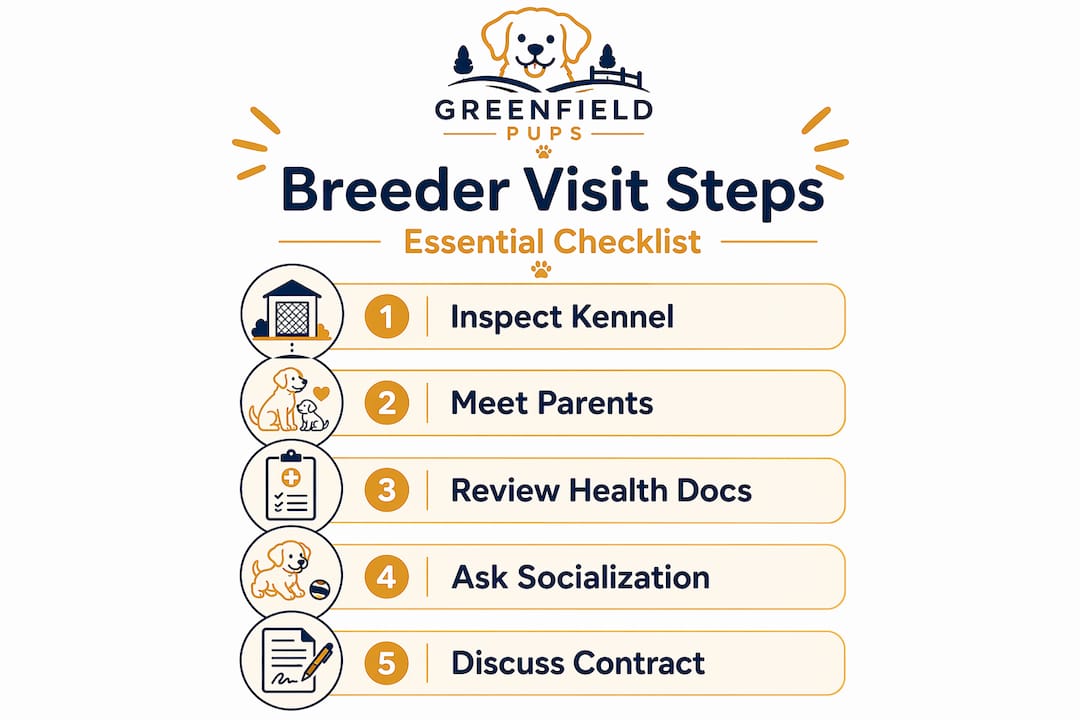
Use this numbered checklist to assess a breeder’s ethics during your meeting:
- Do they screen you as a buyer? Serious breeders ask hard questions because they care about puppy placement outcomes.
- Can they explain their breeding decisions? Good breeders explain pairings and the reasoning behind health testing, genetic pairing, and why they sometimes decline sales to unsuitable homes.
- Do they have a return policy? Ethical breeders take their dogs back at any stage of life, no questions asked, rather than let them end up in shelters.
- Are they part of a breed club or registry? Affiliation with recognized organizations indicates accountability to external standards.
- Do they seem invested in your success as an owner? A breeder who offers ongoing guidance is signaling a mentorship approach to placement.
Watch for red flags too. Pressure to place a deposit before you visit, refusal to allow you to see where the dogs live, and vague or inconsistent answers to health questions are all signs that something is wrong. Breeders resistant to visits risk being connected to unethical operations or poor conditions, according to Humane Society guidance.
What to observe and ask during a breeder visit
Knowing the importance of breeder relationships is one thing. Knowing exactly what to look for when you’re standing in the facility is another. Here’s how to make the most of your time there.
Kennel and environment inspection
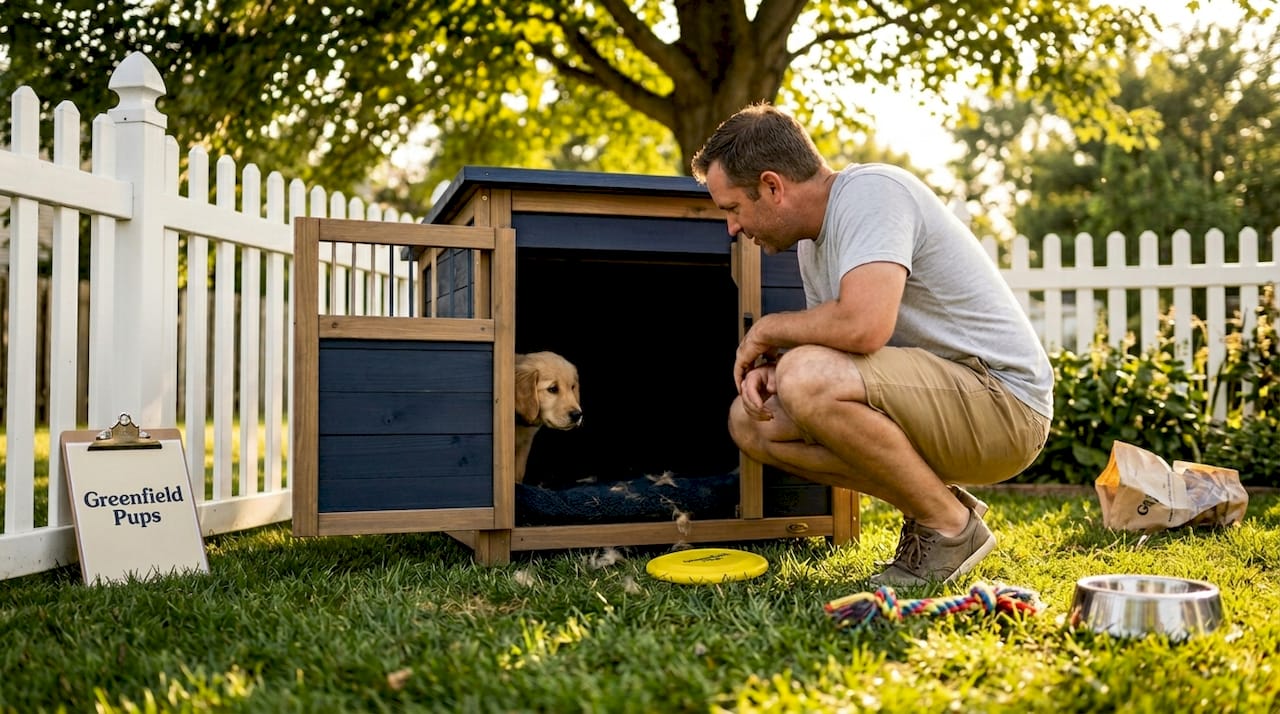
Walk the full space. Look for cleanliness in sleeping and elimination areas, safe fencing with no sharp edges, and appropriate space per dog. Overcrowding is a red flag even if everything looks tidy at first glance.
Meeting the dam and sire
The mother should appear relaxed and settled when interacting with her puppies. A nervous or aggressive dam is a warning sign about genetics and environment. If the sire is on-site, ask to meet him too. Both parents contribute to temperament, and seeing them in person tells you more than a pedigree certificate.
Socialization and exposure
Ask the breeder specifically what socialization protocols they follow. Puppies should be exposed to a variety of sounds, surfaces, people, and gentle handling before they leave for their new homes. Breeders who understand puppy socialization benefits will describe structured socialization activities, not just “we handle them daily.”
Health documentation
Request vaccination records, deworming history, and the results of any breed-specific health tests. For many breeds, responsible breeders conduct hip, eye, and cardiac evaluations before breeding. Ask for OFA or PennHIP certifications where applicable, not just verbal reassurances.
Contract and post-sale support
Meeting the breeder serves as a reality check on the contract and post-sale expectations. Read the contract carefully before you sign anything. Understand what health guarantees are included, what happens if the puppy develops a genetic condition, and what the breeder expects from you in return.
Pro Tip: Bring a written list of questions. Nerves and excitement can make you forget key points. A prepared buyer signals seriousness to the breeder and tends to get more thorough answers.
When you can’t visit in person
Sometimes geography, timing, or availability makes an in-person visit genuinely difficult. In those cases, virtual meetings and document sharing act as secondary verification measures, not replacements for physical visits.
A video call walkthrough of the facility is the next best option. Ask the breeder to show you the whelping area, the dam with the litter, and the overall space in real time. A live video is harder to manipulate than pre-recorded footage or curated photos. Request that they walk through health documents on screen and share digital copies for your review.
A breeder who resists a live video call with the same consistency they’d resist an in-person visit is sending the same message: they don’t want you to see what’s really there.
Pay attention to consistency across interactions. Does the breeder’s story about the litter’s ages, health status, and availability stay the same across different conversations? Inconsistencies are a major red flag in remote transactions. Experienced buyers treat virtual meetings as secondary verification, always looking for corroborating signals across multiple touchpoints.
Supplement any virtual interaction with community-sourced reviews. Ask the breeder for references from past buyers and actually call them. Check breed-specific forums and Facebook groups where real owners discuss their experiences with specific kennels.
Building a lasting relationship with your breeder
The benefits of meeting breeders extend well beyond the day you pick up your puppy. The right breeder becomes one of the most useful resources you’ll have throughout your dog’s life.
A strong breeder relationship gives you access to:
- Training guidance specific to your breed’s quirks and instincts, from someone who has worked with the bloodline for years
- Health context, so when something unusual comes up at the vet, you have someone who knows the genetic background to consult
- Emergency support, especially in the early weeks when questions come up fast and the stakes feel high
- Community connection, including introductions to other owners of the same bloodline who share breed-specific knowledge
The AKC frames breeder trust as a measurable standard: ask yourself whether you’d feel comfortable calling that breeder at midnight if your puppy swallowed something dangerous. If the answer is no, the relationship isn’t solid enough to support responsible ownership.
Choosing a breeder who invests in puppy placement quality also produces measurable results. Dogs placed by engaged breeders tend to have fewer behavioral problems, clearer health histories, and better outcomes over their lifetimes.
My take on what meeting breeders actually changes
I’ve watched countless people buy dogs online without ever setting foot in a breeder’s facility, and the pattern that follows is predictable. Within months, they’re dealing with health issues nobody mentioned, behavioral problems that trace back to poor socialization, or worse. discovering that the breeder they trusted is unreachable.
The first time I personally visited a breeder before committing, it changed what I looked for entirely. A facility that looked great in photos turned out to have dogs that were skittish and avoidant in person. The dam barely acknowledged her puppies. I left without a dog, and I was grateful I did.
What I’ve learned since is that face-to-face time isn’t about distrust. It’s about gathering real data in an environment that can’t be staged the way photos can. You’re not accusing the breeder of anything by showing up. You’re doing the same due diligence you’d apply to any significant investment.
The breeders who do this right are never offended by a thorough visit. They welcome it. That reaction alone tells you more than any listing ever could. If you want to find a reputable breeder who holds up under scrutiny, start by finding one who invites it.
— Taylor
Find responsible breeders with Greenfieldpups
If you’re serious about choosing a responsible breeder, you need more than a marketplace. You need context, guidance, and the ability to make informed decisions before you ever contact a seller.
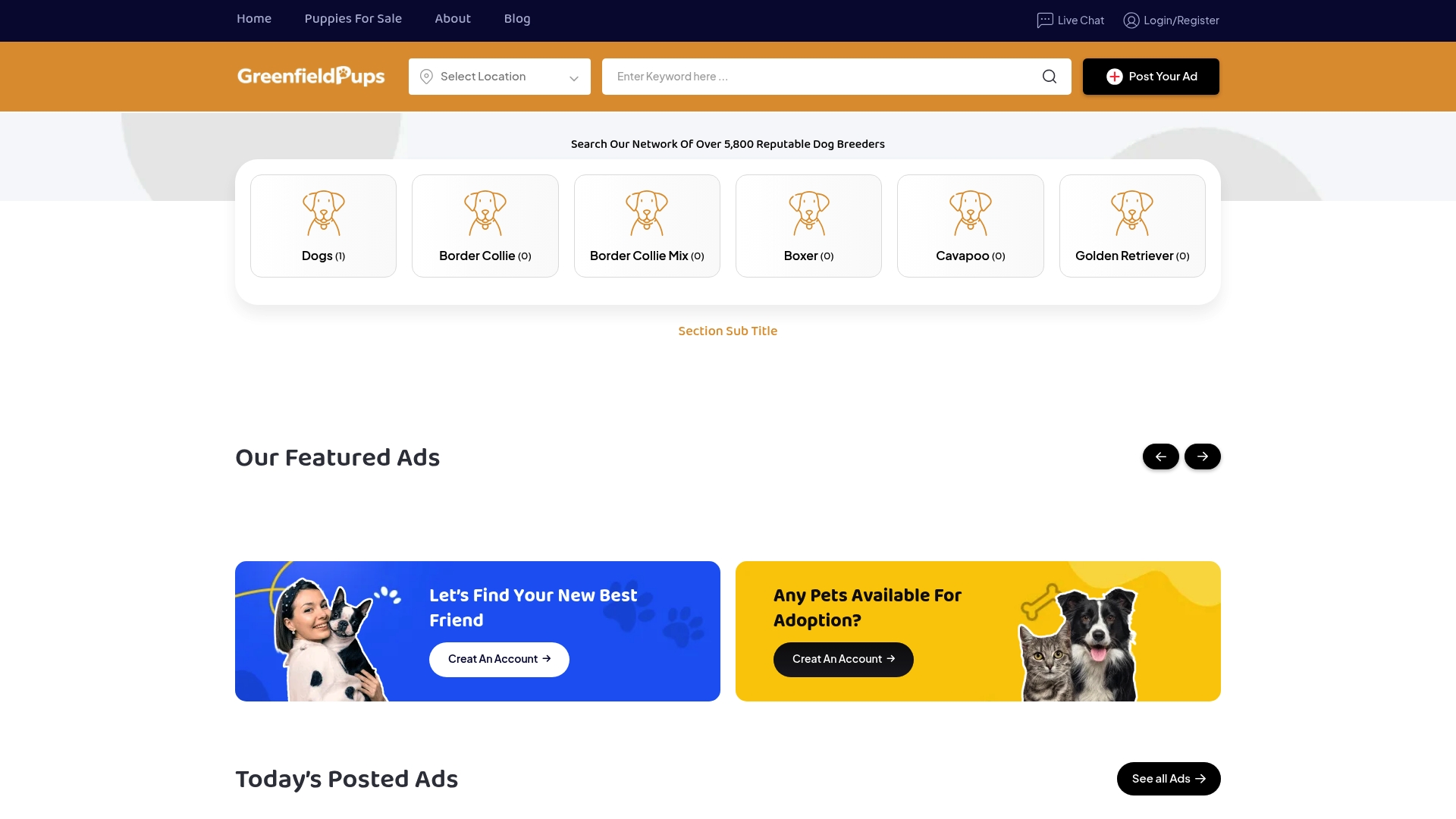
Greenfieldpups connects prospective buyers with breeders across the United States, with resources designed to help you understand the difference between breeder types before you commit. Whether you’re learning to spot red flags, understanding ethical breeding practices, or exploring what different breeder categories actually mean for your purchase, Greenfieldpups gives you the tools to approach every conversation with a breeder from a position of knowledge. Browse listings, read the guides, and go into your breeder meeting prepared.
FAQ
Why is meeting the breeder so important?
Meeting the breeder in person reveals living conditions, dog behavior, and document authenticity that photos and listings cannot show. It’s the most reliable way to verify ethical practices before committing to a purchase.
What are the biggest red flags during a breeder visit?
Breeders who refuse to show the full facility, pressure buyers for deposits before a visit, or cannot produce health documentation are signaling serious concerns about their practices and conditions.
What questions should I ask a breeder when I visit?
Ask about health testing results, socialization routines, the dam’s temperament, contract terms, and what post-sale support looks like. Also ask why specific breeding pairs were chosen.
Can a video call replace an in-person breeder visit?
A live video call is the best available alternative when visiting isn’t possible, but it doesn’t replace the environmental and behavioral cues you observe in person. Treat it as supplementary verification.
How do I know if a breeder is truly responsible?
Responsible breeders screen buyers thoroughly, welcome facility visits, provide verifiable health documentation, offer return policies, and stay available for support throughout the dog’s life.
Leave a Comment