
What Is an Ethical Breeder? A Dog Buyer’s Guide
Not every breeder is created equal, and if you’re searching for a dog, that distinction matters more than most buyers realize. Understanding what is an ethical breeder separates people who bring home healthy, well-adjusted dogs from those who unknowingly fund irresponsible practices. The term gets thrown around loosely, but ethical breeding has a precise meaning grounded in health testing, accountability, and a genuine commitment to the breed. This guide breaks down exactly what separates a truly ethical breeder from the rest, and how you can recognize one before signing anything.
Table of Contents
- Key takeaways
- What is an ethical breeder?
- Health testing: the standard that actually matters
- Legal regulations and what they actually mean
- Breeder contracts and lifelong accountability
- How to find and evaluate ethical breeders
- My take on what ethical breeding really demands
- Find your next dog through Greenfieldpups
- FAQ
Key takeaways
| Point | Details |
|---|---|
| Health testing is non-negotiable | Ethical breeders complete breed-specific screenings like OFA and CHIC certifications, not just basic vet checks. |
| Contracts reflect breeder values | A strong contract with a lifetime return clause shows a breeder takes lifelong responsibility for every puppy. |
| USDA licensing is not a quality stamp | A license is a federal wholesale requirement, not proof of humane care or ethical breeding practices. |
| Specialization signals commitment | Ethical breeders typically focus on one breed, developing deep expertise rather than chasing market demand. |
| Transparency separates good from great | Posting all health test results publicly demonstrates integrity and gives buyers verifiable evidence to work with. |
What is an ethical breeder?
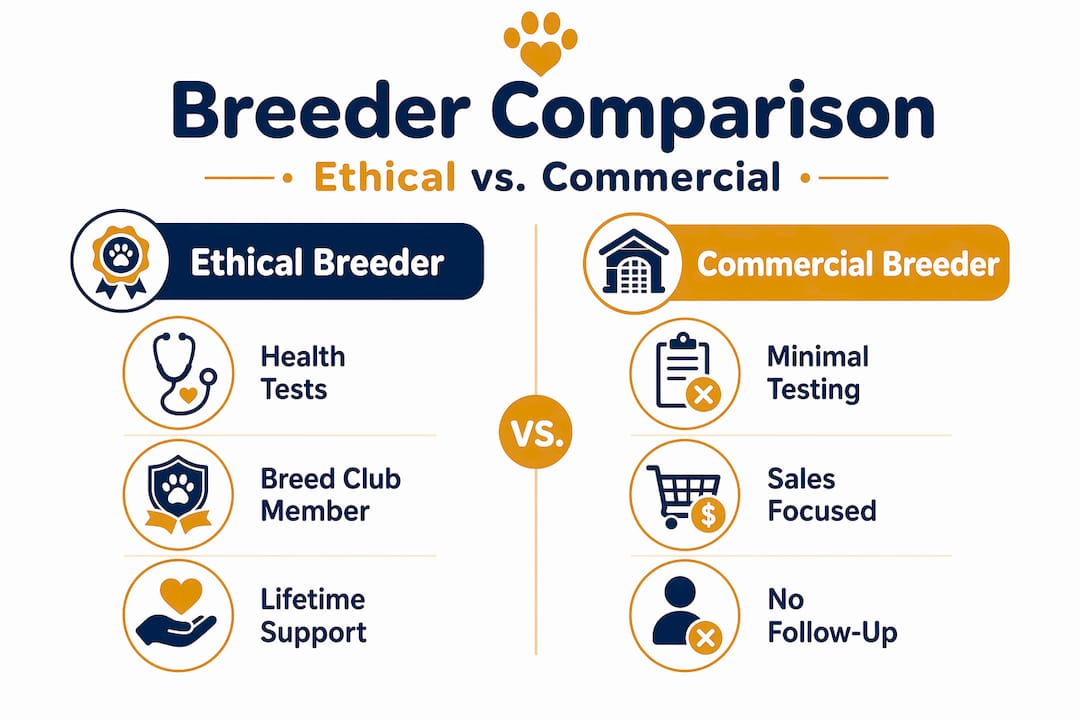
At its core, understanding ethical breeding starts with recognizing that it is a practice built around the dog’s wellbeing, not profit. Ethical breeders prioritize health, temperament, and breed standard adherence over trends or volume. They are not trying to produce as many puppies as the market will absorb. They are trying to produce the right puppies.
A few qualities of ethical breeders stand out immediately:
- They specialize in one breed, which gives them the depth to understand its specific health risks, temperament traits, and structural standards
- They carefully select breeding pairs based on documented health clearances and complementary traits, not convenience or availability
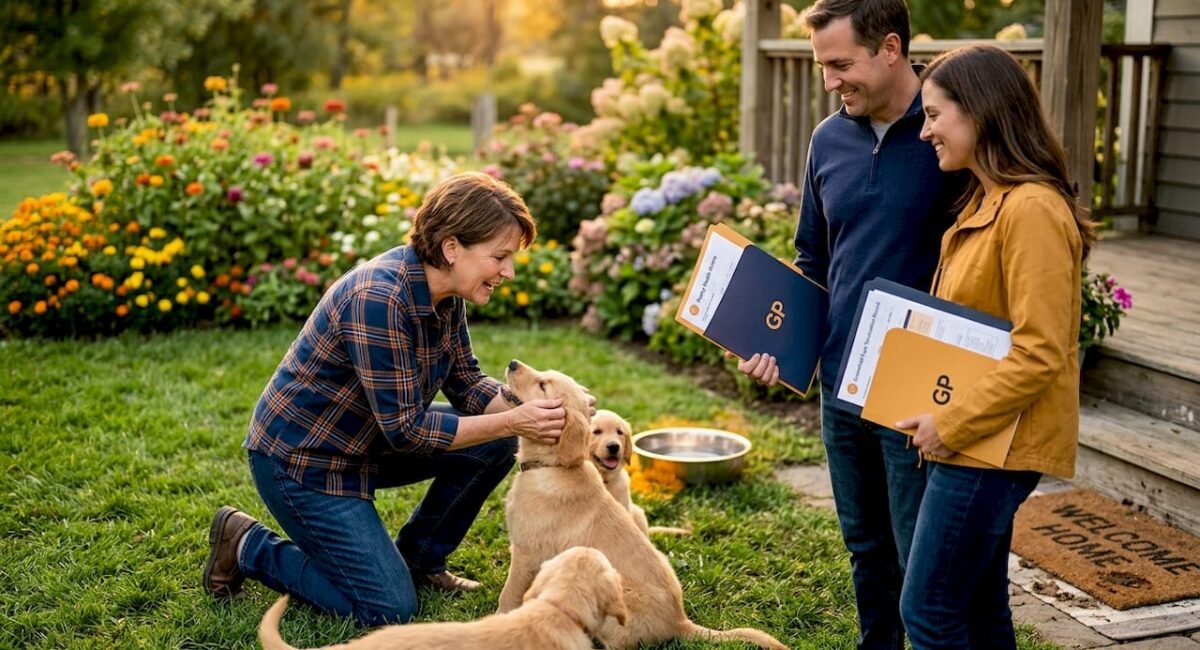
- They maintain lifelong relationships with the families who adopt their puppies
- They take back any dog they have bred, at any point in that dog’s life, no questions asked
- They actively participate in breed parent clubs with ethical codes that include health testing requirements and bans on harmful breeding trends
That last point matters more than people realize. A breeder who is embedded in their breed’s community is held accountable by peers who share the same standards. That social layer of accountability is something no certification alone can replicate.
Pro Tip: Ask any breeder you’re considering how long they have focused on their specific breed. Ethical breeders usually measure their involvement in years or decades, not litters.
What makes a breeder ethical is also what separates them from commercial or hobby breeding operations. Commercial breeders often run high volumes across multiple breeds. Irresponsible breeders may produce puppies without any health screening. An ethical breeder’s goal is breed improvement and stewardship. Every litter is a deliberate decision, not a business transaction.
Health testing: the standard that actually matters
This is where many buyers get misled, and it is worth being direct about the difference. A “vet-checked” puppy is not the same as a puppy from health-tested parents. A standard vet exam checks the puppy in front of the vet at that moment. It does not reveal whether the parents carry genes for hip dysplasia, progressive retinal atrophy, or any number of breed-specific hereditary conditions.
Only third-party documented clearances like OFA (Orthopedic Foundation for Animals) and CHIC (Canine Health Information Center) certifications reliably screen for hereditary conditions. These are not optional extras for ethical breeders. They are the baseline.
Here is what breed-specific health testing typically includes:
- Hip and elbow evaluations submitted to OFA for radiographic review
- Eye exams performed by a board-certified veterinary ophthalmologist
- Cardiac screening by a board-certified cardiologist for breeds prone to heart disease
- DNA testing for breed-specific genetic mutations such as MDR1, DM, or PRCD-PRA
- Thyroid panels where relevant to the breed’s known health risks
One critical timing detail: dogs must typically be 24 months old for final OFA hip certification. A breeder offering clearances on dogs younger than two years old may be presenting preliminary results, which carry less certainty. Ask specifically whether certifications are preliminary or final.
| Test type | What it screens for | Who reviews it |
|---|---|---|
| OFA hip/elbow | Structural joint health | OFA radiologists |
| CAER eye exam | Inherited eye diseases | Veterinary ophthalmologist |
| Cardiac clearance | Congenital heart defects | Board-certified cardiologist |
| DNA panel | Breed-specific gene mutations | Accredited genetic laboratory |
Posting all health results publicly is what separates responsible breeders from those hiding failures. A CHIC number means the breeder has committed to transparency, not that every result was perfect. Some ethical breeders have dogs with borderline results that they chose not to breed. That honesty is the point.
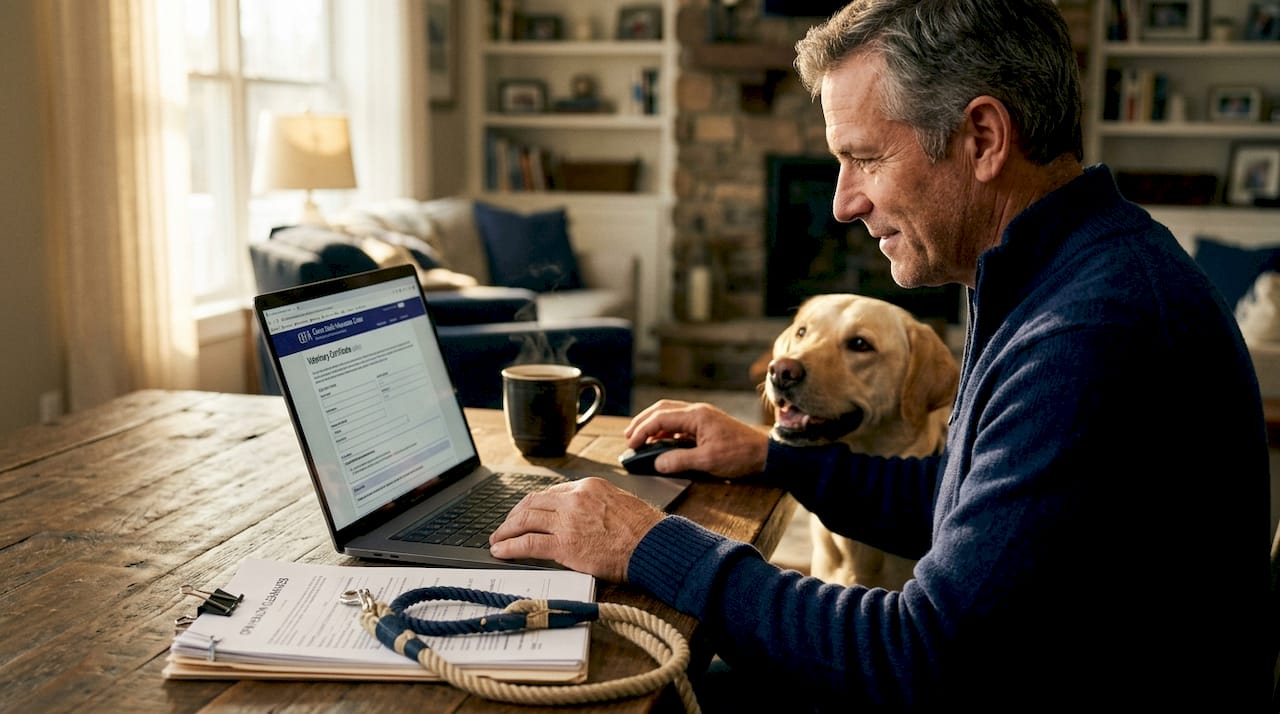
Pro Tip: Before visiting any breeder, look up both parent dogs on the OFA database at ofa.org. Any ethical breeder will welcome this. If results are missing or the breeder becomes defensive, walk away.
Legal regulations and what they actually mean
In 2026, buyers frequently confuse USDA licensing with ethical breeding. This misunderstanding cuts both ways, and clearing it up will save you from both dismissing good breeders and trusting bad ones.
The USDA license applies to breeders with more than four breeding females who sell puppies sight-unseen. It is a federal wholesale requirement designed for commercial operations. If a breeder sells puppies in person, through face-to-face transactions, they are typically exempt from federal licensing regardless of their scale or quality.
Here is what USDA licensing tells you and what it does not:
- It tells you: The breeder operates at commercial scale and sells remotely
- It does not tell you: Whether dogs receive adequate socialization, proper veterinary care, or humane living conditions
- It does not tell you: Whether the breeder conducts any health testing at all
- It tells you: The breeder has met a paperwork threshold, nothing more
The ASPCA’s reporting makes this plain. USDA licensed facilities have documented welfare violations, and a license in no way certifies humane care. Meanwhile, many of the most responsible small-scale breeders in the country operate legally without a USDA license because they sell locally and in person.
For more context on how regulations apply across different breeder types, Greenfieldpups has a detailed breakdown of USDA licensing rules and exemptions worth reviewing before you start your search.
| Breeder type | USDA license required? | Indicates quality? |
|---|---|---|
| Large-scale remote seller | Yes | No |
| Small-scale face-to-face seller | No | No |
| Ethical hobby breeder | Rarely | Check health tests |
| Commercial broker | Yes | No |
Breeder contracts and lifelong accountability
A contract is not just a legal formality. It is a window into how a breeder thinks about their dogs after the sale. Full breeder contracts reflect a breeder’s ongoing commitment and philosophy about each dog’s lifelong welfare. Reading one carefully tells you more about a breeder’s values than almost anything else.
What an ethical breeder’s contract should include:
- A lifetime return-to-breeder clause: the single most telling provision. Return policies prevent dogs from entering shelters and demonstrate that the breeder considers themselves responsible for that animal’s entire life
- A health guarantee: typically covering genetic conditions for a defined period, often two to five years depending on the breed
- Spay and neuter requirements for pet-quality puppies, with separate breeding rights arrangements that usually require additional agreements and fees
- A requirement that the buyer contacts the breeder before surrendering the dog to any third party, including rescue organizations
Warning signs in contract terms are equally telling. Be cautious if a contract limits your right to seek veterinary care from any licensed vet of your choice. Be skeptical of health guarantees that only offer a replacement puppy rather than covering veterinary costs. And any contract that contains no return clause at all is a serious red flag.
Pro Tip: If a breeder seems reluctant to share their contract before you commit to a puppy, that reluctance itself is the answer. Transparent breeders share contracts early and welcome your questions about every clause.
The spay/neuter provision deserves a moment of attention. Ethical breeders are not being controlling when they require this for pet buyers. They are protecting the breed from unplanned or poorly executed breeding that could introduce health or temperament problems into the gene pool.
How to find and evaluate ethical breeders
Knowing the theory is useful. Applying it in a real search is where most buyers need practical help. Here is a structured approach to finding and vetting ethical breeders, whether you are starting from scratch or already have a candidate in mind.
-
Start with breed-specific parent clubs. The AKC’s parent club directory lists organizations for every recognized breed. These clubs maintain breeder referral lists and require members to adhere to codes of ethics that typically include health testing requirements.
-
Verify OFA and CHIC records independently. Do not take the breeder’s word for it. Search the OFA database yourself using the parent dogs’ registered names. Confirm that results match what the breeder told you.
-
Ask for references from previous buyers. An ethical breeder will have a list of families who have purchased puppies in the past. Contact at least two of them and ask specific questions: Was the puppy healthy? Did the breeder stay in touch? Did any health issues arise and how did the breeder respond?
-
Schedule a visit before committing. Seeing where the dogs live matters. Puppies should be raised in a clean, stimulating environment with regular human contact, not isolated in outdoor kennels or basement runs. Socialization in the first eight weeks has lasting effects on temperament.
-
Evaluate how the breeder interviews you. This is one of the clearest signs of ethical breeders. A good breeder will ask about your home setup, your experience with dogs, your daily schedule, and your plan for training. If a breeder asks nothing and just wants to know how you will pay, that is a problem.
-
Confirm the contract terms before any deposit. Review every clause. Ask about anything unclear. A breeder who pressures you to pay before reading the contract is not operating in your interest.
For a step-by-step framework on sourcing and validating breeders, Greenfieldpups offers a reputable breeder search guide that walks through the full process.
My take on what ethical breeding really demands
I’ve spent years watching buyers navigate this process, and the pattern I keep seeing is this: people evaluate breeders the same way they evaluate products. They look at price, availability, and presentation. They don’t dig into the documentation.
What I’ve learned is that ethical breeding is fundamentally an act of stewardship. The breeders who do it right are not making money. They are subsidizing a commitment. Between health testing, club memberships, whelping equipment, proper nutrition, and veterinary costs for the litter, a well-run breeding program routinely costs more than it earns on individual litters. The breeders who are actually in it for the breed know this and accept it.
Where I’ve seen buyers go wrong most often is in trusting surface signals. A beautiful website, a long waiting list, or an impressive price does not equal ethical. I’ve encountered high-priced breeders with no verifiable health testing and modest hobby breeders with immaculate OFA records and decades of breed club involvement. The credentials are in the documentation, not the marketing.
The other thing I wish more buyers understood is that the contract is not the obstacle. It’s the relationship formalized. When a breeder insists you return the dog to them if life changes, they’re not being difficult. They are telling you, clearly, that they will still be there for that dog twenty years from now. That is worth more than any health guarantee clause.
— Taylor
Find your next dog through Greenfieldpups
Knowing what is an ethical breeder is only half the work. The other half is finding one. Greenfieldpups makes that search easier by giving you access to breeders who are serious about their dogs and transparent about their practices. Whether you’re just starting to research types of dog breeders or ready to connect with a specific breeder, Greenfieldpups has the resources to support you. You’ll also find guides on responsible breeding practices and detailed advice on choosing a responsible breeder to make the most informed decision possible. The right breeder is out there. Start your search with the right tools.
FAQ
What is an ethical breeder in simple terms?
An ethical breeder prioritizes the health, temperament, and welfare of their breed over profit, conducts documented health screenings on breeding dogs, and takes lifelong responsibility for every puppy they produce.
What health tests should an ethical breeder provide?
Ethical breeders provide breed-specific health clearances from OFA or CHIC, including hip and elbow evaluations, eye exams, cardiac screenings, and relevant DNA testing. A basic vet check is not a substitute for these certifications.
Does a USDA license mean a breeder is ethical?
No. A USDA license is a federal wholesale requirement for breeders with more than four breeding females who sell remotely, and it does not certify humane conditions or ethical practices. Many of the most responsible breeders are legally exempt from licensing.
What should an ethical breeder’s contract include?
A contract from an ethical breeder should include a lifetime return-to-breeder clause, a health guarantee covering genetic conditions, and spay/neuter requirements for pet-quality puppies. The absence of a return clause is a significant warning sign.
How do I find ethical breeders near me?
Start with the AKC’s parent club directory for your breed, verify parent dog health records on the OFA database, ask for references from previous buyers, and schedule an in-person visit before making any commitment.
Leave a Comment